




Your cart is empty

THC withdrawal: Symptoms, duration, advice
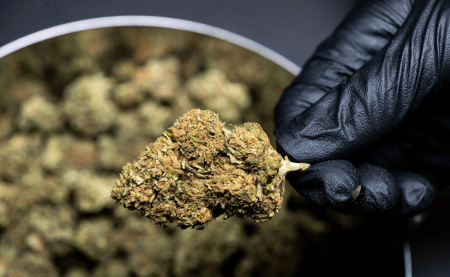
Tetrahydrocannabinol (THC) is the main psychoactive cannabinoid found naturally in the hemp plant. This illegal substance is one of the most commonly used drugs in France and Europe. According to a report published in 2016 by the European Monitoring Centre for Drugs and Drug Addiction (EMCDDA), cannabis accounts for 38% of the total illicit drug market (1). In France, which is Europe’s largest consumer, the problem of THC-containing cannabis is all the more significant. According to the article ‘Cannabis: how to regain control?’ by Emmanuelle Auriol and Pierre-Yves Geoffard, France reportedly has ‘the highest rate of cannabis experimentation in Europe’. In 2016, 41.4% of French people aged 15 to 64 had already used it at least once in their lives. By comparison, the European average stands at 18.9%. ” (2)
Key takeaways:
- THC can lead to dependence and adverse health effects.
- Withdrawal symptoms include restlessness, loss of appetite and sleep disturbances.
- The duration of withdrawal varies, with symptoms generally subsiding within a week.
- CBD can aid THC withdrawal, offering a non-psychoactive alternative.
>>See all our THC-free products in the shop<<
The issue of THC withdrawal is therefore still a topical one, particularly in France. Tetrahydrocannabinol, as well as being illegal, can have harmful effects on daily life (cognitive, psychological, physical, etc.). How does one withdraw from THC? How long does it take? What are the side effects? Can CBD help with THC withdrawal?
THC: a dangerous molecule?
In France, THC-containing cannabis is restricted to the scientific community for research purposes. For the general public, it is an illegal drug, the classification of which remains a subject of debate (hard drug? soft drug?). According to scientists J. P. Jacques, S. Zombek, Ch. Guillain and P. Duez, THC is consumed illicitly for the sensations it provides: euphoria, a sense of well-being, calm, disinhibition, light-headedness, sensory distortion, sedation, anxiolytic effects, stimulation of appetite, etc. (3) Whilst this may be of interest to those with serious illnesses (AIDS, cancer, etc.), research is still ongoing and is restricted to healthcare professionals.
However, the consumption of THC-containing cannabis has harmful effects. Unlike cannabidiol (CBD), this molecule is psychotropic. It therefore has psychoactive effects. In their article, Jacques, Zombek, Guillain and Duez note that tetrahydrocannabinol leads to three categories of risk: the development of dependence, physical effects and psychosocial consequences (4). It has also been found, according to the article ‘Cannabis: addiction. Acute and chronic consequences’, which is the result of a collaboration between numerous scientists, that THC-containing cannabis can lead to
- Depersonalisation and derealisation
- Disorientation
- Delusions, paranoia and hallucinations
- Psychomotor agitation
- Irrational anxiety
- Disorganised emotions and thoughts
- Cognitive impairments (particularly affecting memory and attention) (5)
When consumed at a young age, THC can have a significant impact on an adolescent’s cognitive development. This is why THC withdrawal appears necessary to rebuild a healthy (and legal…) daily life. THC cannabis is also often rejected when episodes of anxiety and panic attacks replace the calming effect felt during the first few uses (6). The tetrahydrocannabinol molecule is less addictive and poses fewer risks than other hard drugs (such as heroin), yet it remains a public health concern according to the French authorities.
Symptoms of THC dependence
Before attempting to withdraw, it is important to first identify the symptoms of THC dependence.
Recognising a symptom of dependence is fairly straightforward. The user is dependent, or ‘addicted’, if:
- They are no longer able to control their cannabis use, often taking larger doses and using it for longer periods.
- They are unable to stop using cannabis, despite their desire to do so. The cravings to use it are very strong.
- A great deal of time is devoted to it, which can encroach on other important activities (work, projects, hobbies…), sometimes leading to these being abandoned. Despite the harmful social effects, cannabis use continues.
- Use continues even in risky situations, or when the user is aware of physical and psychological problems linked to their consumption.
- Tolerance to cannabis is increasing (7).
If you or a loved one are experiencing one or more symptoms, it is likely a THC addiction. In this case, seek help from a healthcare professional who can guide you!
Symptoms of THC withdrawal
THC withdrawal can manifest in two different ways. The first is withdrawal syndrome. The second is compensation through the use of other substances. The main symptoms of withdrawal syndrome are:
- Restlessness
- Loss of appetite
- Irritability
- Hyperactivity
- Loss of appetite
- Nausea
- Sleep disturbances
- A feeling of weakness
- Anger, aggression, nervousness, anxiety
- Physical symptoms: abdominal pain, tremors, fever, chills, headache… (8)
How long does THC withdrawal last?
According to the CAMH (Centre for Addiction and Mental Health) in Toronto, “symptoms usually disappear after a week, but sleep disturbances may last longer.” (9)
However, this withdrawal can last much longer depending on the individual. It is important to be patient with your loved one or with yourself and to take the time needed. The duration of cannabis withdrawal is personal.
How do you withdraw from THC cannabis?
Everyone has their own technique for managing cannabis withdrawal more effectively. First and foremost, if you wish to undergo withdrawal, it is strongly recommended that you consult a doctor. Our advice, provided for guidance to support you in your process, is no substitute for the practical help of a doctor who will act according to your needs. As a reminder, doctors are bound by medical confidentiality. Here are a few other tips that may help you successfully quit THC:
1. Take up sport or an artistic activity
A report by the National Observatory on Physical Activity and Sedentary Lifestyles (ONAPS) has demonstrated the benefits of sporting activity in combating addiction and reducing withdrawal symptoms. According to this report, which draws on numerous studies on the subject, ‘[t]hey not only help to improve physical fitness, but also play a significant role in mental well-being, both of which are important factors when seeking to overcome an addiction’ (10). Artistic activities can also contribute to this improvement.
If you’re not the sporty type, you could start with walking, housework or DIY, for example, which will help keep your mind occupied.
2. Reconnect with a healthy social environment
Often, THC use can lead to social isolation. Encourage social interaction, go out, and discuss your passions and interests. It may be necessary to change your circle of friends if they encourage you to use.
3. Seek psychological and medical support
This can help you manage your emotions. In the case of a severe addiction, medical support will help tailor your cannabis withdrawal plan.
4. Avoid situations that encourage a relapse
Alcohol-fuelled parties, stressful situations: put them on hold whilst you’re withdrawing! It is essential to avoid situations that make you want to use THC cannabis.
5. Build a balanced daily routine
Eat well, treat yourself to little moments of self-care. A walk, a slow-cooked meal, a facial – treat yourself and rediscover the joy of a peaceful daily life.
6. Throw away any cannabis you have
To avoid consuming THC cannabis, throw it away! In the bin, it is less likely to end up in your system.
Organisations that can help with cannabis withdrawal
The website Drogues Info Service offers advice and services to support withdrawal.
You can also contact the Fil Santé Jeune helpline (free of charge): 0 800 235 236.
The Drogues Info Service number is also free: 0 800 23 13 13.
The Ecoute Cannabis helpline can also help with your withdrawal: 0 980 980 940.
On this page, you will find a wide range of support centres offering access to medical services.
>> Click here to view the map of support centres <<
Is CBD a solution for THC withdrawal?
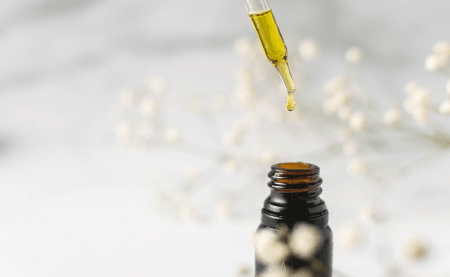
Cannabidiol (or CBD) may be useful as part of a process to wean oneself off THC. It has the advantage of being available in the same forms as traditional cannabis (flowers, resins, edibles, etc.) and of having a similar taste. Cannabidiol is not psychoactive and, according to recent studies, such as that by Leonard Leinow and Juliana Birnbaum, few side effects (11). It has the advantage of relaxing the user and providing a sense of well-being without leading to any psychotropic effects or dependence.
This cannabinoid occurs naturally in the hemp plant and can be used as an alternative to THC.
However, cannabidiol is not a medicine. Whilst it may help some users with withdrawal, it can also intensify the feeling of ‘craving’. You should therefore assess your own needs before proceeding. This is why we strongly recommend seeking advice from a healthcare professional.
(1) Karila, Laurent, et al. “Cannabis: addiction. Acute and chronic consequences”, Pratiques en santé mentale, vol. 63, no. 2, 2017, p. 15. [https://www.cairn.info/revue-pratique-en-sante-mentale-2017-2-page-15.htm]
(2) Auriol, Emmanuelle, and Pierre-Yves Geoffard. “Cannabis: how to regain control?” ”, Notes du conseil d’analyse économique, vol. 52, no. 4, 2019, p. 2. [https://www.cairn.info/revue-notes-du-conseil-d-analyse-economique-2019-4-page-1.htm?ref=doi]
(3) J. P Jacques, Ch. Guillain et al., « Scientists agree more than they admit », Revue Médicale de Bruxelles, Vol. 25, No. 2, pp. 87–92 (2004), p. 88. [https://dial.uclouvain.be/pr/boreal/object/boreal:221694]
(4) Ibid, p. 90.
(5) See Karila, Laurent, et al., op. cit., p. 16.
(6) Ibid., p. 16.
(7) See ibid., pp. 17–18.
(8) Ibid.
(9) “ Cannabis”, CAMH [https://www.camh.ca/fr/info-sante/index-sur-la-sante-mentale-et-la-dependance/le-cannabis#:~:text=Among%20the%20symptoms%20of%20the%20syndrome,sleep%20may%20last%20longer.]
(10) “ Physical and sporting activities, sedentary lifestyles, addictions ”, Onaps Literature Review, 2022, p. 4. [https://www.drogues.gouv.fr/le-saviez-vous-lactivite-physique-peut-aider-lutter-contre-les-addictions-des-substances]
(11) Leonard Leinow, Juliana Birnbaum, et al., CBD: A Patient’s Guide to Medicinal Cannabis --Healing without the High, California, North Atlantic Books, 2017.
See also:
- Cannabis withdrawal and sleep: how to sleep well when you stop taking THC?
- How can CBD help you quit THC as part of cannabis withdrawal?
- Cannabis Withdrawal: How Long Does It Take to Break Free from THC Addiction?
































































Leave a Reply Cancel Reply