

Your cart is empty

THCV, the latest buzzword: What is it? How should you use it?
In the ever-expanding world of cannabinoids, THC and CBD have long captured the attention of the public and researchers alike for their effects and potential applications in the field of health. However, another cannabinoid is beginning to stand out from the crowd, attracting interest for its unique properties and potential benefits: THCV, or tetrahydrocannabivarin. Less well-known than its more famous cousins, THCV stands out for its distinct effects and therapeutic potential. This article aims to shed light on THCV, exploring its nature, its effects, and the THCV-based products available on the market. As research continues to unravel the mysteries of this fascinating molecule, interest in THCV continues to grow, promising new avenues for cannabinoid consumption.
What is THCV?
Tetrahydrocannabivarin (THCV) is a cannabinoid found in the cannabis plant, similar to THC (tetrahydrocannabinol) in its molecular structure but different in its effects and applications. Like other cannabinoids, THCV interacts with the body’s endocannabinoid system, which plays a key role in regulating various physiological and cognitive functions. However, THCV is distinguished by its unique action on CB1 and CB2 receptors, offering a distinct profile of effects compared to THC.
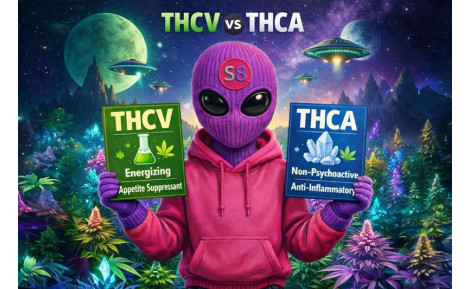
THCV was first discovered in the 1970s, but it is only recently that its potential has begun to be fully explored. Unlike THC, which is known for its marked psychoactive effects, THCV can act as a CB1 receptor antagonist at low doses, meaning it can potentially reduce certain effects of THC, such as appetite stimulation. Tetrahydrocannabivarin, unlike tetrahydrocannabinol (THC), is non-psychoactive.
Research into THCV is still in its early stages, but the available studies suggest a variety of potential applications. In particular, this research has highlighted THCV’s properties in regulating blood sugar levels, reducing appetite, and potentially contributing to the treatment of conditions such as obesity, type 2 diabetes, and certain forms of anxiety. Furthermore, THCV may possess neuroprotective and anti-inflammatory properties, opening the door to future therapeutic applications. For the time being, THCV is only available for wellness applications.
Despite these promising prospects, it is important to note that most studies on THCV are preclinical or have been conducted on animal models. Clinical research in humans remains limited, and further studies are needed to confirm these effects and clearly define the therapeutic applications of THCV.
The effects of THCV
Tetrahydrocannabivarin (THCV) is characterised by a profile of effects that can vary significantly depending on the dose, method of consumption and individual sensitivity. This section explores the effects of THCV, its potential benefits for wellbeing, and the precautions to take when consuming it.
THCV Effects
At low doses, THCV acts as a CB1 receptor antagonist, which may mitigate certain effects of THC, such as appetite stimulation and the intensity of euphoria. This unique property makes THCV a cannabinoid of interest to those seeking to experience the benefits of cannabis without the intense psychoactive effects associated with THC.
Potential benefits for wellbeing
Preclinical research and studies in animal models have highlighted several potential effects of THCV that could have therapeutic applications:
Appetite regulation
THCV has demonstrated an ability to suppress appetite, which could be beneficial in the treatment of obesity and eating disorders.
Blood sugar control
Studies suggest that THCV may improve insulin sensitivity and regulate blood sugar levels, offering potential for the management of type 2 diabetes.
Anti-anxiety effects
Without causing the sedative effects of CBD, THCV may help reduce anxiety and promote a calmer, more focused state of mind.
Neuroprotective properties
Research suggests that THCV may have neuroprotective effects, which could be useful in the treatment of neurodegenerative diseases such as Parkinson’s disease and epilepsy.
Side effects and precautions for use
Although THCV offers many potential benefits, its use is not without risks. Side effects may include, but are not limited to, a dry mouth, dizziness, and mild agitation. As with any hemp-based product, it is crucial to start with low doses and adjust according to individual response.
It is also recommended to consult a healthcare professional before starting THCV, particularly for those with pre-existing medical conditions or those already taking other medications, to avoid potential interactions.
In summary, although THCV offers interesting prospects in terms of effects and benefits for well-being, its consumption should be approached with caution and responsibility, favouring an informed and measured approach.
How should THCV be consumed?
The consumption of THCV can vary depending on individual preferences and the desired effects. There are three main methods of consuming THCV: smoking, vaping, and drinking as a herbal tea. Each method has its own specific characteristics, advantages, and precautions to be taken.
Smoking (not recommended)
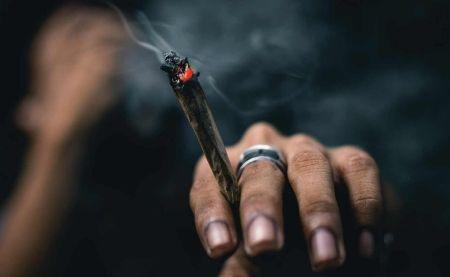
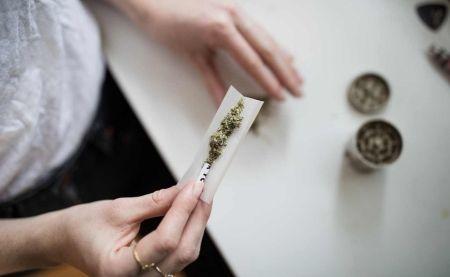
Smoking THCV-rich cannabis flowers is a traditional method of administration. This method allows for rapid absorption of cannabinoids through the lungs, offering almost immediate effects. However, smoke may contain toxins and carcinogens, so it is recommended to approach this method with caution.
Vaping
Vaping THCV, using e-liquids or concentrates, is a gentler alternative to smoking. Vaporisers heat the product to a temperature that releases the cannabinoids without combustion.
Drinking as a herbal tea
Consuming THCV as a herbal tea offers a gentler method without the risks associated with inhalation. THCV-rich cannabis flowers or extracts can be steeped in hot water. As cannabinoids are hydrophobic, their release into water may be less effective without a fat to improve their solubility (such as a little milk or butter); the effects take longer to kick in compared to inhalation.
General advice
For all these methods, it is essential to start with low doses, especially if you are a novice or are not used to the effects of THCV. Adjusting the dose according to your individual response and the desired effects is crucial for a positive experience without unnecessary risks. Furthermore, it is recommended that you source high-quality, laboratory-tested products to ensure their purity and THCV concentration.
Finally, regardless of the method chosen, it is advisable to consult a healthcare professional before incorporating THCV or any other cannabinoid into your routine, especially if you have pre-existing medical conditions or are taking other medications. THCV products are wellness products. They are not a substitute for medical treatment.
THCV-based products available
With the growing popularity of THCV due to its unique effects and potential health benefits, the market has seen the emergence of various THCV-enriched products. Among these, flowers and vapes stand out as two of the most sought-after options by consumers. Here is a more detailed overview of these products and what consumers need to know to make an informed choice.
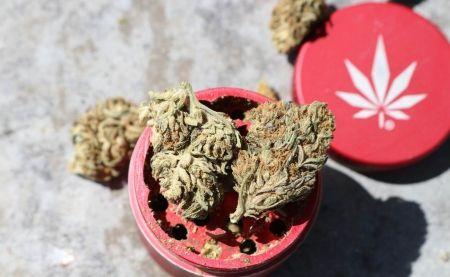
THCV-rich flowers & resins
THCV flowers and hash specifically cultivated for their high THCV content offer a natural and straightforward method of consumption. These strains are selected and hybridised to maximise THCV concentration, thereby offering a unique experience compared to traditional THC- or CBD-rich strains.
Benefits : Natural consumption without additives; allows you to enjoy the full spectrum of cannabinoids and terpenes present in the plant.
Selection and quality: It is crucial to choose laboratory-tested flowers to ensure they are free from pesticides and heavy metals, and to confirm their THCV content. Reputable dispensaries and specialist suppliers are the best sources for these products.
THCV Vapes
THCV-infused vape cartridges and e-liquids offer a modern and convenient way to consume THCV. These products often combine THCV with other cannabinoids and terpenes to create specific effect profiles, such as energy, mental clarity or relaxation.
Benefits : Discreet and portable method of consumption; allows for precise dose control and rapid absorption of cannabinoids.
Product selection : Look for vapes that clearly specify their THCV content and provide laboratory analysis certificates to ensure purity and safety. Products free from propylene glycol, vegetable glycerine, or artificial additives are preferable for a healthier experience.
Tips for consumers
- Do your research: Before purchasing THCV-based products, find out about their sources, production methods, and exact composition. Supplier transparency is a key indicator of quality.
- Start small: Especially if you are new to using THCV, start with small doses to see how your body reacts before gradually increasing the dose.
- Check reviews: Reading feedback and reviews from other consumers can provide valuable insights into the effectiveness and reliability of THCV-based products.
The availability of THCV-rich flowers and vapes varies depending on local jurisdictions and regulations. Always check the legality of these products in your area before purchasing. By choosing carefully and consuming responsibly, THCV-based products can offer a new dimension to your cannabis experience, highlighting distinct effects and potential health benefits.
Conclusion
THCV, tetrahydrocannabivarin, stands out in the world of cannabis for its unique effects and potential health benefits, which set it apart from better-known cannabinoids such as THC and CBD. Thanks to its distinct properties, such as the ability to modulate appetite, improve blood sugar regulation, and offer moderate effects, THCV is attracting growing interest both within the scientific community and amongst consumers seeking natural alternatives for their wellbeing.
Methods of consuming THCV, including through flowers and resins, vaping products, and herbal teas, offer users a variety of options for incorporating this cannabinoid into their wellness routine. Each method has specific advantages and disadvantages, allowing for personalisation according to individual preferences and goals.
The availability of THCV-based products on the market continues to expand, highlighting the importance of choosing high-quality, lab-tested, and responsibly produced options. By educating themselves and approaching THCV consumption with caution and responsibility, users can explore the potential benefits of this cannabinoid whilst minimising risks.
It is essential, however, to bear in mind that research into THCV is still in its early stages. Although preliminary studies and user testimonials are promising, further clinical research is needed to fully understand the effects of THCV, its mechanisms of action, and its potential.
See also
Buying THCV vape products: how to choose quality products?