




Your cart is empty

CBD: What is it?
The intersection between cannabidiol (CBD) and the world of sport is attracting growing interest, both among professional athletes and amateurs seeking to optimise their performance and improve their post-exercise recovery. CBD, a non-psychoactive compound derived from the cannabis plant, is notable for its many potential therapeutic properties, including its anti-inflammatory, anxiolytic and analgesic effects.
Whilst the world of sport has long been dominated by a traditional approach to care and recovery, the emergence of CBD offers a new perspective, promising a natural alternative to conventional medicines. This article explores how CBD can contribute to improved sporting performance and more effective recovery, whilst addressing legal aspects, supporting scientific studies, and practical considerations for optimal use in a sporting context.
CBD: What is it?
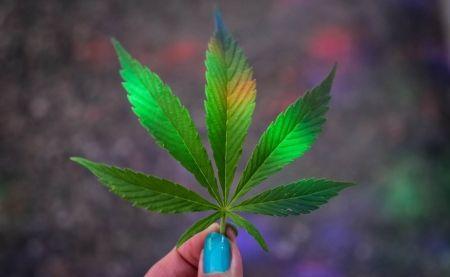
Cannabidiol, better known by its acronym CBD, is one of many chemical compounds, known as cannabinoids, found in the cannabis plant. Unlike its more famous cousin, tetrahydrocannabinol (THC), CBD is not psychoactive, meaning it does not produce the ‘high’ associated with cannabis use. This distinction is crucial, particularly in the sporting context, where mental clarity and physical performance are paramount.
Origin and extraction
CBD is extracted from the Cannabis sativa plant, which includes both hemp and marijuana. The main difference between these two sources lies in the concentration of THC: hemp generally contains less than 0.3% THC (on a dry weight basis), in accordance with federal regulations in many countries, making it the preferred source for the extraction of CBD intended for sporting and therapeutic use.
Properties and uses
CBD is recognised for its anti-inflammatory, analgesic and anxiolytic properties, amongst others. These characteristics make it particularly attractive to athletes seeking to manage pain, inflammation, stress and sleep disorders – factors that can significantly impact performance and recovery.
Legality
The legality of CBD varies considerably from one country to another and, in some cases, from one region to another within the same country. In many jurisdictions, CBD extracted from hemp is legal, provided it contains THC levels below the regulatory threshold. However, it is crucial for athletes to familiarise themselves with local and international regulations, particularly those relating to sporting competitions, to avoid potential anti-doping rule violations.
Perception in the world of sport
The perception of CBD in sport has evolved considerably in recent years. Once surrounded by stigma due to its association with cannabis, CBD is now increasingly accepted and integrated into athletes’ care and recovery routines, thanks to a better understanding of its potential benefits and the relaxation of cannabis laws in many countries.
Benefits of CBD for athletes
The use of CBD in sport is driven by its many potential benefits, which align closely with athletes’ needs in terms of physical performance and recovery. Without repeating the general points already mentioned about CBD, let’s explore in more detail how these benefits translate into practical benefits for athletes.
Performance enhancement
Stress and anxiety management: The pressure of competition can cause stress and anxiety, negatively affecting performance. CBD has been studied for its beneficial effects on the nervous system, helping to regulate mood and reduce symptoms of anxiety, thereby enabling athletes to remain focused and calm before and during their performances.
Concentration and motivation: Unwavering concentration is crucial for athletes during training and competitions. CBD can help improve concentration by reducing mental distractions, such as anxiety and stress, facilitating greater mental presence and a better ability to focus on goals.
Post-exercise recovery
Anti-inflammatory properties and pain relief: One of the main benefits of CBD is its anti-inflammatory action, which is essential for post-exercise recovery. By reducing inflammation and pain, CBD helps speed up the recovery process, allowing for a quicker return to activity and a reduced risk of injury.
Improved sleep quality: Restful sleep is fundamental for physical and mental recovery. CBD can improve sleep quality by reducing anxiety and promoting relaxation, thereby enabling athletes to enjoy deeper, more restorative sleep.
Support for muscle recovery: Intense training can lead to micro-tears in the muscles, requiring recovery time for repair and muscle growth. CBD, thanks to its anti-inflammatory properties, can play a role in this muscle recovery process, reducing pain and promoting faster recovery.
In summary, the benefits of CBD for athletes range from mental preparation to physical recovery, offering holistic support that encompasses both the psychological and physiological aspects of sporting performance. These benefits, coupled with a favourable safety profile and growing acceptance within the sporting world, position CBD as a promising supplement for athletes seeking to optimise their potential.
>> Discover our CBD products for sport <<
Scientific studies and findings
Research into CBD and its application in sport is constantly evolving, with numerous studies exploring its effects on performance, recovery, and the general well-being of athletes. Although the regulatory framework and cultural perceptions have long limited research in this field, recent legislative advances have paved the way for more in-depth scientific exploration.
Current research on CBD
Scientific studies on CBD have highlighted its anti-inflammatory, anxiolytic and analgesic properties, suggesting significant potential for improving muscle recovery, managing pain and reducing anxiety in athletes. For example, research has shown that CBD can significantly reduce inflammation and pain without the side effects associated with traditional non-steroidal anti-inflammatory drugs (NSAIDs).
Studies on athletic performance
A few studies have also examined the direct impact of CBD on athletic performance, although this research is still at a preliminary stage. The results suggest that, rather than directly improving physical performance, CBD may help to optimise the mental and physiological conditions necessary for peak performance, such as stress management, improved sleep quality, and reduced pre-competition anxiety.
Testimonials from professional athletes
In addition to scientific studies, many professional athletes have shared their positive experiences with CBD, using it for post-exercise recovery, pain management, and improved sleep. These testimonials, whilst anecdotal, add a human dimension to the scientific data and illustrate the growing integration of CBD into the health and wellness routines of elite athletes.
Research prospects
Future research on CBD and sport will likely focus on more specific, controlled studies to determine optimal dosages, the most effective methods of administration, and the long-term effects of CBD use in athletes. Furthermore, particular attention will be paid to individual differences in response to CBD, as well as its interaction with other recovery and performance interventions.
In conclusion, whilst current research is promising, it also highlights the need for more robust data to fully understand the potential of CBD in a sporting context. Future studies will need to address these gaps to provide clear, evidence-based recommendations to athletes and healthcare professionals.
Using CBD in sport: how does it work?
The adoption of CBD by athletes raises practical questions about how to integrate this compound into their health and recovery regimens. Here is an overview of how CBD can be used effectively in sport, including methods of administration, recommended dosages, and specific considerations for athletes.
Methods of CBD administration
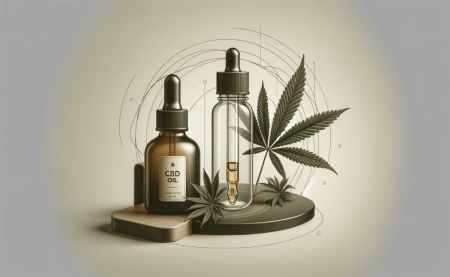
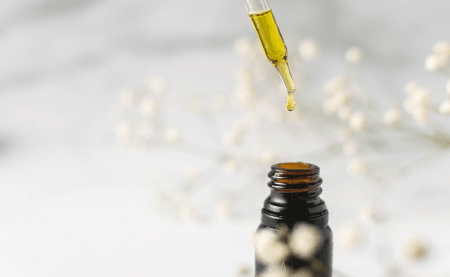
- Oils and tinctures: One of the most popular methods, CBD oils are administered under the tongue for rapid absorption. They allow for precise dosing and are valued for their effectiveness and ease of use.
- Topical creams and balms: For localised pain and inflammation, CBD-infused creams and balms can be applied directly to the skin. They are particularly useful for treating muscle and joint pain after exercise.
- Capsules and supplements: Capsules offer a convenient and discreet method of administration, with the advantage of a consistent dose. They are ideal for those looking to incorporate CBD into their daily supplement routine.
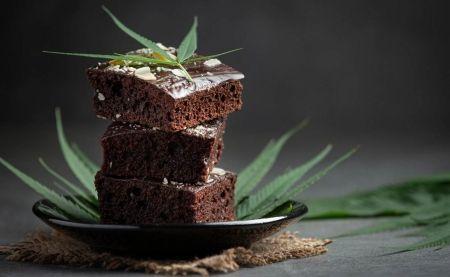
Edibles and drinks: Energy bars, drinks, and other CBD-infused edibles are becoming increasingly popular amongst athletes for their convenience and variety.
Recommended dosages
The optimal CBD dosage varies considerably from person to person, influenced by factors such as weight, age, metabolism, and level of physical activity. Beginners should start with a low dose, for example, 5 to 10 mg per day, and adjust gradually based on the effects experienced. It is advisable to consult a healthcare professional to determine the most appropriate dosage for your specific goals and needs.
Specific considerations for athletes
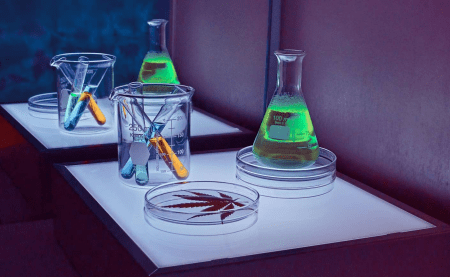
Quality and purity: Given the still unclear regulations surrounding CBD, choosing high-quality products that have been laboratory-tested to verify their purity and CBD concentration (and the absence of THC) is essential to avoid contaminants and ensure effectiveness.
Legality and doping tests: Athletes must ensure that CBD is permitted in their sport and does not contain THC, the psychoactive compound in cannabis that is banned by many sporting organisations. It is crucial to choose products specifically labelled as THC-free to avoid positive results in doping tests.
Timing of administration: The timing of administration can influence the effectiveness of CBD for recovery and performance. For example, taking CBD before bed can improve sleep quality, whilst using it before or after training can aid pain management and muscle recovery.
In conclusion, the use of CBD in sport requires a personalised and informed approach. By taking into account product quality, appropriate dosage, and legal considerations, athletes can safely and effectively incorporate CBD into their routine, thereby maximising its potential benefits for performance and recovery.
Future Prospects
The integration of CBD into the world of sport is at a turning point, with growing interest from both the sporting and scientific communities. The future outlook for CBD and sport focuses on expanding research, evolving regulations, and developing innovative products, aiming to maximise the benefits of CBD for athletes whilst ensuring their safety and regulatory compliance.
Expanding Research
The need for more in-depth and specific research is clearly recognised within the scientific community. Future studies should focus on large-scale clinical trials to validate the effects of CBD on sporting performance and recovery, including detailed analyses of optimal dosages, preferred methods of administration, and the long-term impacts of regular CBD use among athletes. The aim is to provide evidence-based guidelines that can be applied within the sporting context.
Regulatory developments
As knowledge of CBD deepens, we can expect to see developments in the regulatory frameworks governing its use in sport. International sports organisations and anti-doping agencies may adjust their policies to reflect a more nuanced understanding of the benefits and risks of CBD, potentially opening the door to more widespread and regulated use in professional and amateur sport.
Development of Innovative Products
The CBD market continues to grow, with constant innovation in formulations and delivery methods specifically targeting athletes. From fast-acting products for post-exercise recovery to pain management solutions during training, the future promises an expanded range of options for integrating CBD into athletes’ health and performance regimens. These developments are likely to be supported by partnerships between CBD companies and sports organisations, aimed at creating products that precisely meet athletes’ needs.
Awareness and education
An integral part of future prospects includes increasing awareness and education around CBD in sport. By dispelling myths and providing accurate, evidence-based information, athletes can make informed decisions regarding the use of CBD. Educational efforts could include seminars, workshops, and online resources provided by sports health experts, researchers, and sports organisations.
In summary, the future of CBD in sport looks promising, with the potential to significantly improve pain management, recovery, and the general well-being of athletes. As research progresses and regulations evolve, it is likely that CBD will become an increasingly accepted and effective tool in athletes’ arsenal for achieving their performance goals.
See also
CBD and gaming: Can CBD improve your e-sports performance?
Cannabidiol: Leonard Leinow’s advice and dosage recommendations















































































Leave a Reply Cancel Reply