

Your cart is empty

H4CBD vs HHC: Which one should you choose?
CBG9, THCP, THCJD, H4CBD, HHCP and HHCPO are now banned in France. Discover CBD as an alternative!
The world of cannabinoids is a constantly evolving field, with new discoveries and innovations transforming our understanding of these fascinating compounds. Among the multitude of existing cannabinoids, two stand out in particular: H4CBD and HHC. These two cannabinoids have attracted considerable interest within the scientific community and among the general public for their potential to promote well-being.
H4CBD and HHC, although similar at first glance, have significant differences that are worth exploring. These differences are evident not only in the effects they may have on the individual, but also in their market availability and legal status. In France, for example, these two cannabinoids are treated very differently under the law.
In this article, we will delve into the world of cannabinoids to explore these two compounds in detail. We will examine their effects, how they are used, and the legal implications of their use. Ultimately, our aim is to provide a clear and accurate understanding of what H4CBD and HHC are, and what distinguishes them from one another.
Understanding H4CBD and HHC
What is H4CBD?
H4CBD, or tetrahydrocannabidiol, is a cannabinoid that has recently gained popularity for its potential effects on well-being. It is derived from the cannabis plant, but unlike other, better-known cannabinoids such as THC, it does not produce psychoactive effects. This means it can be used to promote well-being without causing the altered state of consciousness often associated with cannabis use.
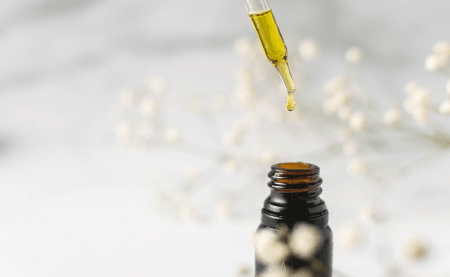
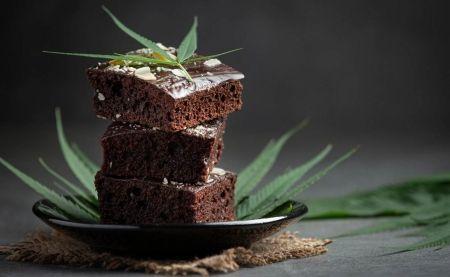
H4CBD is available in various forms, including oils, capsules and edibles. These products are often used to promote relaxation, calmness and a general sense of well-being.
What is HHC?
HHC, or hexahydrocannabinol, is another cannabinoid that has attracted considerable interest. Like H4CBD, it is derived from the cannabis plant and has potential effects on well-being. However, unlike H4CBD, HHC has psychoactive effects, meaning it can alter the user’s consciousness.
Due to these psychoactive effects, HHC is often used differently from H4CBD. It is also available in various forms, including oils, capsules and edibles. However, due to its illegal status in France, its use is limited.
Effects of H4CBD and HHC
The effects of H4CBD
H4CBD is known for its potential effects on well-being. It is often used to promote relaxation and calmness. However, unlike other cannabinoids, H4CBD is not psychoactive. This means it does not cause the altered state of consciousness often associated with cannabis use.
This lack of psychoactive effect is due to the way H4CBD interacts with the CB1 and CB2 cannabinoid receptors in our body. These receptors are part of the endocannabinoid system, which plays a key role in regulating various bodily functions. H4CBD has a relatively low affinity for these receptors, meaning it does not activate them as strongly as other cannabinoids. It is this gentler interaction that explains the absence of psychoactive effects.
The effects of H4CBD also relate to physical and mental well-being. They are:
- Less intense than those of HHC.
- Shorter-lasting than those of HHC.
The effects of HHC
HHC, on the other hand, has psychoactive effects. This means it can alter the user’s consciousness. These effects are due to the way HHC interacts with the CB1 and CB2 cannabinoid receptors. Unlike H4CBD, HHC has a higher affinity for these receptors, meaning it activates them more vigorously. It is this stronger interaction that explains the psychoactive effects of HHC.
However, due to these psychoactive effects, HHC is illegal in France. This means that, although it may have potential effects on well-being, its use is restricted by law.
In conclusion, although both H4CBD and HHC are cannabinoids with potential effects on well-being, they differ significantly in terms of their effects and interaction with cannabinoid receptors. These differences explain why H4CBD is legal in France, whilst HHC is not. It is essential to understand these nuances when using these products.
Recommendations for use
When using H4CBD or HHC-based products, it is important to take several factors into account. Here are some recommendations:
Using H4CBD
As H4CBD is legal in France, it can be used entirely legally. However, it is recommended to start with small doses and increase gradually until the desired effect is achieved. It is also advisable to consult a healthcare professional before starting to use H4CBD-based products, especially if you are taking other medications.
We advise against engaging in demanding activities such as driving, working, DIY or looking after vulnerable people after consuming H4CBD. Although less potent than HHC, this cannabinoid remains more potent than CBD.
Use of HHC
As for HHC, it is illegal in France. Consequently, its use is prohibited in France. If you reside in a country where HHC is legal, it is recommended that you follow the same advice as for H4CBD. Always consult a healthcare professional before starting to use HHC-based products. Never engage in demanding activities after consuming HHC.
Buying quality products
Whether you choose to use H4CBD or HHC-based products, it is crucial to ensure you are buying quality products. Look for products that have been laboratory tested and clearly list their ingredients and cannabinoid concentrations.
Although both H4CBD and HHC have potential benefits for well-being, they must be used responsibly and in accordance with current regulations. It is essential to comply with the law, start with small doses, increase gradually, and always consult a healthcare professional before beginning to use these products. Furthermore, always ensure you are purchasing high-quality products to guarantee your safety and well-being.
Why is H4CBD legal?
The legality of H4CBD, unlike that of HHC, is based on several key factors.
Absence of psychoactive effects
One of the most important factors is the absence of psychoactive effects in H4CBD. As mentioned previously, H4CBD does not activate the CB1 and CB2 cannabinoid receptors as vigorously as HHC, meaning it does not cause any alteration in consciousness. This characteristic played a crucial role in the decision to make it legal.
Potential for well-being
H4CBD has also shown potential for promoting well-being. Although research is still ongoing, early studies suggest that H4CBD may have beneficial effects on relaxation and tranquillity. These potential effects have contributed to its legalisation.
Legislation
In France, legislation on cannabinoids is complex and constantly evolving. However, H4CBD has been explicitly legalised due to its lack of psychoactive effects and its potential for well-being. It is important to note that this legal status may vary from country to country, and it is always advisable to check local laws before using H4CBD-based products.
In conclusion, the legality of H4CBD in France is due to its lack of psychoactive effects, its potential for well-being, and the legislation in force. It is essential to understand these factors when using H4CBD-based products. However, as always, it is recommended to consult a healthcare professional before starting to use these products.
See also
Forbidden Fruit and H4CBD: a unique variety