

Your cart is empty

CBD for Pain Relief: Myth or Reality?
In 2014, the French company Sanofi conducted a survey whose results are disturbing to say the least: 92% of French people surveyed reported having suffered from pain during the year, and 52% of them were still suffering from it. In other words, whether the pain is temporary or chronic, it constitutes a genuine public health issue, both in France and internationally.
It is estimated that 30% of the general population experiences chronic pain on a daily basis, 20% of whom suffer from severe pain. Despite the national plans put in place, the conclusion is clear: pain is poorly managed.
In this context, Cannabis Sativa L. is attracting increasing interest from the scientific community for its potential pain-relieving effects. CBD may interact with the receptors responsible for pain transmission. Myth or reality? Could cannabidiol be the painkiller of the future?
Is all pain bad?
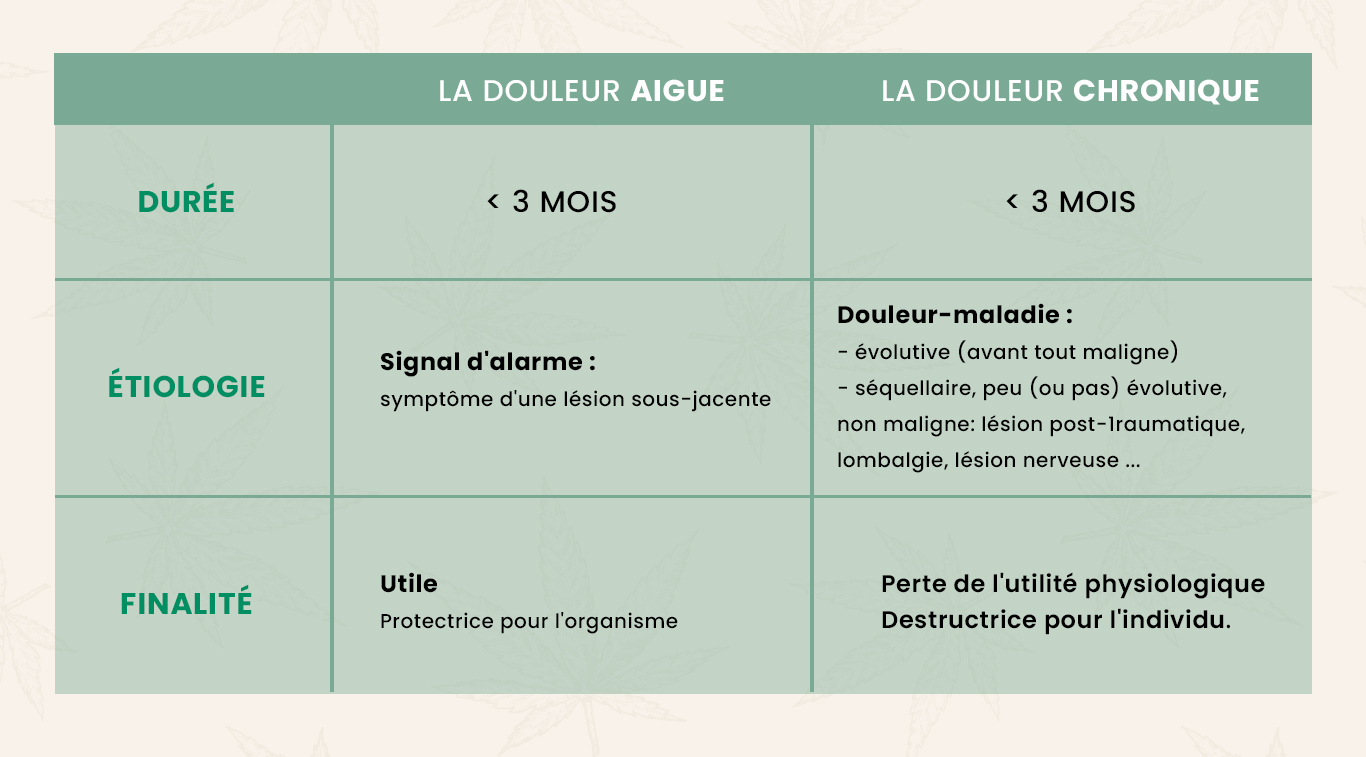
Acute pain
Pain, in its primary function, is not harmful to the body. It serves as a warning and a preventative mechanism. If we did not feel pain, we would have no way of gauging danger.
For example, if we were to pass our hand over a flame, we would not know that it was destroying our tissue. Therefore, pain is not an evil in itself, but rather a means of protecting the body against physical harm.
This type of pain is known as ‘acute pain’. It is characterised by a sharp sensation of pain that could be described as ‘piercing’. Acute pain, also known as ‘nociceptive pain’, is beneficial; it serves various functions:
- To warn the body of danger and trigger a withdrawal reflex.
- To warn the body of a potential injury.
Although beneficial, this pain is unpleasant to endure and can even cause a feeling of discomfort. This is why nociceptive pain can lead to a search for relief, whether through CBD or another compound capable of temporarily soothing the pain.
Chronic pain: pathological
Chronic pain, on the other hand, is far less healthy. Chronic pain occurs when the body continues to receive pain signals, despite the passage of time. Pain can be described as chronic once it has lasted for more than three months. It loses its warning function; “pain is no longer a symptom but becomes a disease”.
Chronic pain includes muscle and joint pain, generally linked to recurrent inflammation that damages the pain transmission system, neuropathic pain, which indicates a general deterioration of the central or peripheral nervous system and renders the pain transmission system uncontrollable; mixed pain, which combines the two; and nociplastic pain, such as headaches and fibromyalgia, which are linked to an alteration in pain detection.
In other words, chronic pain involves pain that no longer warns of an ailment but becomes the ailment itself. Many people suffer from it – nearly 30% in France – with back pain being the most common, accounting for 70% of chronic pain.
Chronic pain is the most problematic. With an ageing population, it affects and will continue to affect an increasing number of people.
CBD: a painkiller of the future?
But why look to cannabidiol to combat pain? It is no coincidence that the scientific community is seeking to determine the potential pain-relieving effects of cannabidiol; the cannabinoid is thought to have few side effects compared to many medicines on the market.
In recent years, the opioid crisis in North America has highlighted the damage caused by poor pain management. In the United States, between February 2021 and February 2022, nearly 82,000 people died from an overdose, related to opioids. Hundreds of thousands of people have died in recent decades. One of the most obvious reasons has been the promotion of strong painkillers, which has led to widespread opioid addiction.
In France, although the situation is not quite as dire, there has nevertheless been an increase in the use of opioid-based medicines.
Conversely, worrying figures show that many people, particularly young people, do not bother to seek medical advice. According to the Sanofi survey, ‘18–24-year-olds tend to wait for the pain to go away on its own’. It seems necessary to find a solution to this everyday ailment, which can have a significant impact on daily life (depression, reduced performance at work, isolation…)
CBD could be the answer! According to toxicologist Nicolas Donzé, in his article “Phytocannabinoids: updating our view of Cannabis Sativa L?”, it is high time to explore and analyse cannabidiol for what it is: a potential painkiller and anti-inflammatory with very few side effects, unlike many medicines on the market.
Admittedly, certain molecules do alleviate pain. That does not mean they are good for your health when used long-term. For example, cigarettes may reduce the sensation of pain, yet we all agree: they cause far more pain in the long term.
Why might cannabidiol be of interest for pain relief?
Cannabidiol & pain: potential
Why focus on cannabidiol when other molecules exist? CBD represents real potential for the medicine of tomorrow. With few side effects, it appears to be establishing itself as a relevant molecule for combating acute and chronic pain.
Moreover, cannabis has long been used to combat everyday ailments. Traces of its use can be found in Chinese culture dating back to 2900 BC! It was used for its antispasmodic and anti-inflammatory benefits.
CBD, as a cannabinoid derived from the hemp plant, may have pain-relieving effects! In fact, when we feel pain, our bodies naturally produce endocannabinoids, anandamide and 2AG (2-arachidonoyl-sn-glycerol), which activate CB receptors to reduce the sensation of pain.
Furthermore, when we consume phytocannabinoids (exogenous cannabinoids found in plants), such as CBD, these can interact with the pain signals sent to the brain. In other words, they can modulate our sensations in the same way as our endocannabinoids, which are produced by the body. Cannabidiol, due to its interaction with our CB1 and CB2 receptors, may therefore have pain-relieving properties.
Of course, research is still ongoing to assess the full extent of cannabidiol’s pain-relieving effects. We know that medical THC is already authorised in some countries to alleviate cancer-related pain, for example. A pain-relieving medicine containing CBD and THC is already available on the market.
The limitations of CBD: a lack of research
However, all studies concerning the pain-relieving benefits of cannabidiol remain somewhat cautious: there is simply too little research. Whilst many studies validate CBD’s potential for pain relief, most highlight a lack of research on the subject, even lamenting this unprecedented delay in research, largely due to THC’s negative image.
The main issue lies primarily in the dosage. It would appear that, depending on the dose taken, CBD does not produce the same effects. The scientific community is calling for a return to the source: hemp should no longer be demonised in a world where opioids predominate. We need to get to the bottom of this!
Another concern is that cannabidiol could interact with other medications. Therefore, without a doctor’s advice, it is absolutely not recommended to use it whilst on medication. Drug interactions could be as much a drawback of the cannabinoid as an advantage, since, if properly managed, cannabidiol could help reduce the dosage of certain medicines whilst enhancing their effects.
It should be noted that, at present, CBD is not a medicine. It is a wellness compound that in no way replaces medical advice.
CBD for pain relief is already popular!
Users have no time to waste! Many people are already turning to cannabidiol to combat ailments such as:
- Back pain,
- Osteoarthritis,
- Endometriosis,
- Various chronic or acute pains.
This demonstrates a growing need for pain management. Researchers are not yet certain of the effect of cannabidiol on pain. Some studies suggest that the pain-relieving effect could be due to the well-known ‘placebo effect’. Others suggest the opposite.
In any case, it would appear that CBD for pain… works! Many users, who use cannabidiol to alleviate their chronic pain, believe that CBD has genuinely reduced their daily suffering.
Philippe, a delivery driver for over 20 years, says:
“I have a job that really takes its toll on the body, so it’s no surprise that I’m in pain these days – I’m not really complaining, though... From carrying parcels all the time, my shoulder started to ache every day. There’s not much you can do about it… A year ago, I started smoking CBD to see if it might help. My shoulder still hurts, but much less so. It’s really changed my daily life, which has become bearable…”
Philippe also tells us that, without this external help, he might have considered a career change.
Camille, for her part, has been suffering from endometriosis for years. She says:
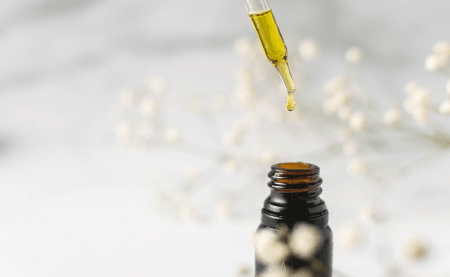
“I couldn’t sleep a wink all night. It’s hard to realise just how much pain painful periods can cause, especially with endometriosis. I’d wake up tired, I was in pain all day… it was unbearable, actually. I started taking CBD oil to ease my pain; I was fed up with pumping myself full of painkillers. My daily life is more manageable now; I still have flare-ups, but I feel they’re less intense and I sleep a bit better.”
To conclude…
Whether the effect is placebo or real, it would appear that cannabidiol genuinely helps many users to relieve their pain. Of course, CBD is not a medicine. It is, however, establishing itself as an essential wellness ingredient for people who suffer from chronic pain on a daily basis. Whether for acute or chronic pain, cannabidiol could well establish itself as the painkiller of the future, offering an alternative to opioids, which have serious side effects.
See also
- CBD, stress, anxiety: how can CBD help you?