

Your cart is empty

CBD: All the useful information
In recent years, CBD has become the latest craze among consumers. It is available in various forms, and many websites tout its potential therapeutic benefits. But do you really know what CBD is, what effects it has on the body, and the different ways of consuming this compound? That’s what we invite you to discover in the rest of this article!
Key takeaways:
- CBD, unlike THC, is non-psychoactive and is being studied for its potential therapeutic effects.
- It differs from THC in that it has no euphoric effects, instead aiming to alleviate anxiety and stress.
- Potentially beneficial for inflammation, pain, anxiety disorders, and certain neurological conditions.
- Legal in France if containing less than 0.2% THC, available in various forms for consumption.
CBD: definition
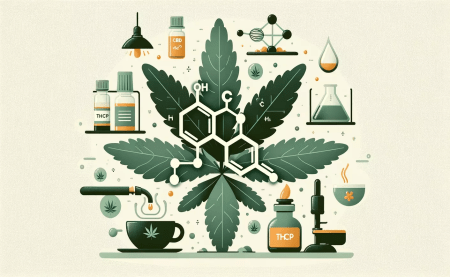
CBD is actually short for cannabidiol. Just like THC (tetrahydrocannabinol), it is part of the family of cannabinoids naturally present in the cannabis plant. These are currently being studied closely by scientists, particularly with regard to their potential effects on the human nervous system (via the receptors of the endocannabinoid system) and the therapeutic uses that may result from this.
What is the difference between CBD and THC?
Although both CBD and THC are molecules derived from the hemp plant, they do not have the same chemical structure and there are important differences to be aware of.
Indeed, THC is well known to the general public for its psychoactive effects. It is responsible for the euphoric effect and the addiction that cannabis use can cause. Classified as a psychotropic substance by the UN, its use remains illegal in France today.
Conversely, CBD does not share the same characteristics as THC. Its potential therapeutic benefits make it a particularly interesting molecule for scientists to study. Furthermore, CBD does not cause a feeling of euphoria or intoxication as THC can, but is instead recommended for alleviating anxiety disorders or stress, as we will see in detail later in this article.
|
Did you know? There are many varieties of cannabis, and their CBD and THC levels can vary from one plant to another. Only certain varieties of cannabis are authorised in France for CBD extraction. You should also be aware that CBD-based products in France must contain less than 0.2% residual THC. This level sets the legal limit and does not affect the quality of your CBD-based products. |
Find out more about the difference between CBD and THC.
What are the potential benefits of CBD?
Today, scientists are increasingly studying the effects of CBD on the body and the potential benefits it may offer. Here are some interesting examples worth knowing.
The anti-inflammatory effects of CBD
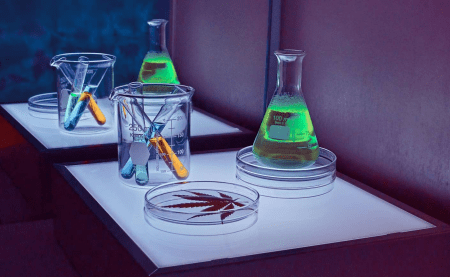
A scientific study from 2019, conducted by Dr Mauricio dos-Santos-Pereira and Dr Patrick Michel, researchers at the Brain Institute, suggests that CBD possesses some rather interesting anti-inflammatory properties. The researchers appear to highlight the fact that CBD can be used as a dietary supplement to relieve certain symptoms associated with conditions such as rheumatoid arthritis or multiple sclerosis, for example.
>>See our cosmetic products in the shop<<
CBD as a painkiller
A study conducted in 2019 also highlighted the fact that cannabidiol is thought to possess pain-relieving properties and may provide short-term relief from certain types of pain. These hypotheses are largely based on the potential analgesic and anxiolytic properties of CBD, which have already been observed by the scientific community.
CBD for combating stress and anxiety
Due to its potential anxiolytic effects, CBD could be an effective tool for combating everyday stress and anxiety. Indeed, this molecule is thought to possess properties that promote relaxation and calm, which can prove to be a valuable asset for people suffering from anxiety disorders that may trigger anxiety or panic attacks.
At the same time, scientific research also suggests that CBD may be of some benefit in the treatment of certain psychiatric disorders, such as depression, obsessive-compulsive disorder (OCD), or post-traumatic stress disorder.
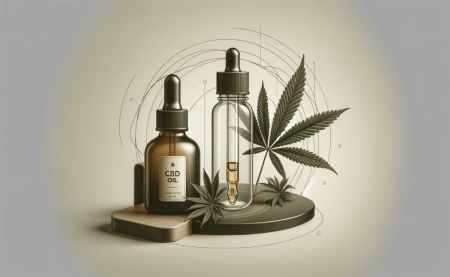
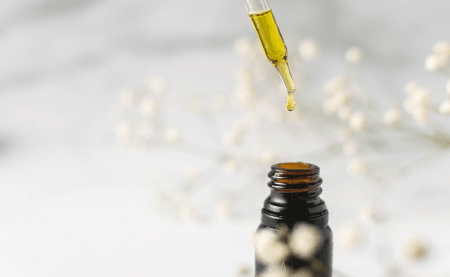
>>See our range of CBD oils to combat stress<<
CBD and neurological disorders
Whilst CBD appears to have an effect on certain psychiatric conditions, it may also be of interest in treating some neurological disorders. Indeed, a scientific study conducted in 2009 by researchers Paul Consroe, Reuven Sandyk and Stuart R. Snider appears to highlight the benefits of CBD in the treatment of dystonia. Another study from 2017, carried out by Brian F. Thomas, highlights the effects of CBD on the treatment of epilepsy. These two scientific reports appear to be based on the sedative effects of cannabidiol in calming seizures caused by neurological disorders of this type.
Degenerative diseases and CBD
Some scientists have also highlighted the potential effects of CBD on the brain and its ability to delay the onset of certain degenerative diseases, such as Parkinson’s or Alzheimer’s. Consuming CBD could alleviate symptoms associated with these conditions by enabling the cerebral vascular system to combat certain lesions. In other words, cannabidiol could potentially help protect the brain against degeneration and thus prevent certain types of brain damage.
CBD and skin conditions
CBD is also being studied by scientists for the treatment of certain skin conditions. Its anti-inflammatory effects could, in particular, help to limit acne flare-ups by reducing lipid synthesis and regulating the activity of the sebaceous glands.
At the same time, researchers are currently investigating the potential benefits of hemp for conditions such as atopic dermatitis (eczema) or psoriasis. Furthermore, hemp appears to possess moisturising and nourishing properties that are particularly effective for dry and sensitive skin. When used in cream form, CBD may also offer the potential to reduce certain joint pains or muscle inflammation.
>>Browse our range of beauty products in the shop<<
Other benefits of CBD for the body…
Today, researchers are still studying CBD to uncover all its potential benefits. However, please note that this molecule is still under investigation, particularly regarding its benefits for:
-
- combating nausea and vomiting;
-
- supporting intensive treatment (chemotherapy) and alleviating its symptoms;
-
- increasing appetite during medical treatment;
-
- improving sleep quality and reducing certain sleep disorders (night terrors, insomnia, frequent waking, etc.)
|
Good to know: according to scientific research, CBD may also have a positive effect on breast cancer metastases. However, research is still ongoing in this area, which is why it is essential to treat this information with caution. As a reminder, CBD is not a medical treatment and must under no circumstances be used as a substitute for treatment prescribed by a healthcare professional. |
Is the use of CBD legal in France?
The use of CBD is entirely legal in France. However, please be aware that you are not permitted to grow hemp at home. You will need to obtain your CBD products from official retailers offering a variety of cannabis authorised by French and European legislation (with a THC content of less than 0.2%).
How should CBD be consumed?
CBD can be consumed in various forms. You can easily find the following on the market:
-
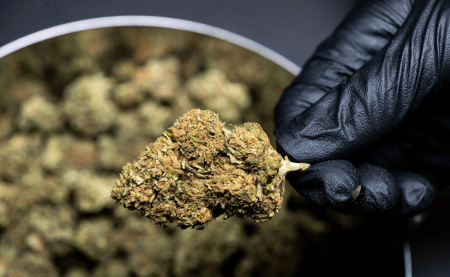
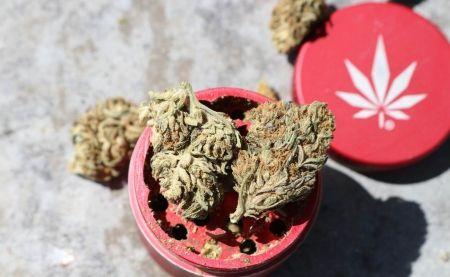
- CBD flowers for vaping ;
-
- CBD e-liquids ;
-
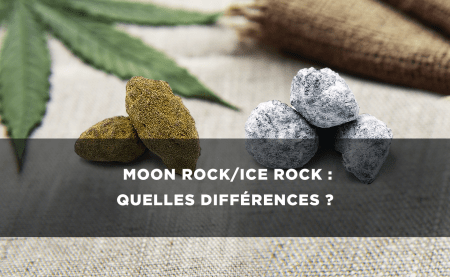
- CBD crystals ;
-
- CBD-infused herbal teas (don’t forget to add a fat (butter, coconut oil) to your tea to allow the CBD molecules to bind to your receptors!) ;
-
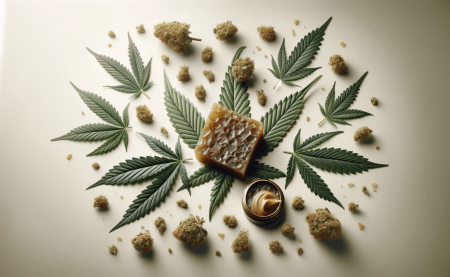
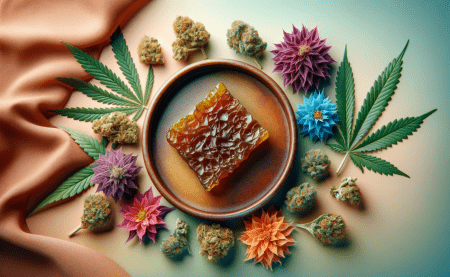
- CBD resin ;
-
- skincare creams ;
-
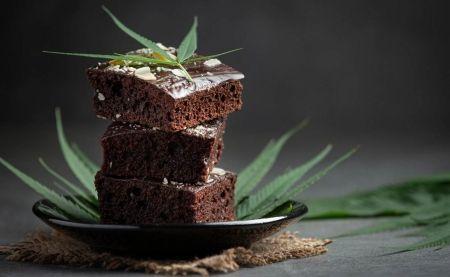
- edible products (sweets, cakes, chocolates) ;
-
- dietary supplements (capsules, tablets).
|
Good to know: CBD is not considered a doping substance by the World Anti-Doping Agency (WADA). Whether you are a seasoned athlete or not, you can certainly use CBD to help prevent the aches and pains caused by muscle soreness following a workout, for example. |
We hope you find this information about CBD useful!
See also: