

Your cart is empty

How long does CBD remain in saliva?
Cannabis, a multifaceted plant, has long captivated society due to its various components, each possessing unique characteristics and effects on the human body. Among these components, cannabidiol (CBD) and tetrahydrocannabinol (THC) stand out as the most studied and discussed, owing to their contrasting effects and growing significance. CBD, known for its potential therapeutic benefits, does not cause psychoactive effects, unlike THC, which is the main psychoactive agent in cannabis and is responsible for the ‘high’. This fundamental distinction between CBD and THC raises interesting questions about their use, their perception in society, and, above all, their detection in the body, particularly in saliva. This article aims to explore these differences, with a particular focus on how long CBD can remain detectable in saliva, a question of relevance to both consumers and healthcare professionals.
Distinguishing between CBD and THC
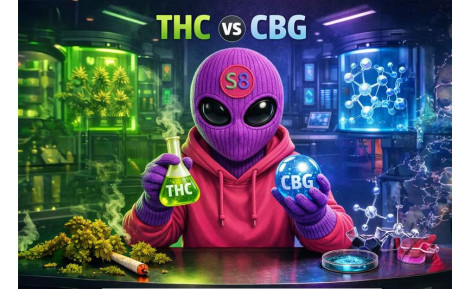
In the world of cannabis, two compounds stand out distinctly due to their effects and legal implications: cannabidiol (CBD) and tetrahydrocannabinol (THC). Understanding the distinction between these two substances is fundamental, not only for consumers but also for healthcare professionals and policymakers, due to the vastly different perceptions of these compounds, particularly THC, which is often considered a drug because of its psychoactive effects.
CBD (cannabidiol):
Nature and origin: CBD is extracted from the cannabis plant, primarily from hemp, which contains minimal amounts of THC. This cannabinoid is recognised for its non-psychoactive properties, meaning it does not induce a ‘high’.
Effects and uses: Unlike THC, CBD is associated with a variety of potential health benefits, such as reducing anxiety, improving sleep quality, and relieving certain types of pain. Its safety profile and lack of intoxicating effects make it attractive for therapeutic and wellness use.
Social and legal perception: CBD is generally viewed positively, largely due to its medical applications and lack of psychoactive effects. In many countries, CBD is legalised or deregulated, reflecting its growing acceptance as a beneficial component of cannabis.
THC (tetrahydrocannabinol):
Psychoactive effects: THC is the main psychoactive agent in cannabis, responsible for the ‘high’. This characteristic clearly distinguishes it from CBD and is the main reason why THC is often classified as a drug in many jurisdictions.
Uses and implications: Despite its medicinal properties, such as pain relief and appetite stimulation, the recreational use of THC and its intoxicating effects raise concerns regarding public health and safety. This has led to strict regulation and, in some cases, a total ban on its consumption and sale.
Perception and legality: The social perception of THC is complex and often negative, largely due to its psychoactive effects and potential for abuse. Laws regarding THC vary considerably, with a growing trend towards legalisation or decriminalisation in some countries, but always within a strict regulatory framework aimed at controlling its use.
Distinguishing between CBD and THC is essential for navigating the complex landscape of cannabis. Whilst CBD is widely accepted and valued for its potential benefits without the intoxicating effects, THC remains controversial, often perceived and regulated as a drug. This differentiation highlights the importance of a nuanced approach to cannabis policy, recognising the potential benefits whilst addressing the risks associated with the consumption of psychoactive substances.
Detection time of CBD in saliva
The question of how long CBD remains detectable in saliva is of particular importance, both for consumers and for authorities responsible for regulating driving and employment. Unlike THC, which is often regarded and regulated as a drug due to its psychoactive effects, CBD is generally viewed in a more favourable light. However, the presence of CBD in saliva and its potential detection raise practical and legal questions.
Half-life and detection of CBD
CBD has a relatively short half-life in the human body, meaning it is metabolised and eliminated more quickly than THC. However, the exact duration for which CBD can be detected in saliva depends on several factors, such as the dose consumed, frequency of use, and each individual’s metabolism.
Generally, CBD may be detectable in saliva for a few hours after consumption. This detection window is significantly shorter than that of THC, which can remain detectable in saliva for up to 24 hours or more, depending on usage.
Factors influencing detection
Amount and frequency: The amount of CBD consumed and the frequency of use play a crucial role in how long it remains detectable. High and regular consumption can prolong the period during which CBD remains detectable.
Individual metabolism: Individual differences in metabolism can also influence how quickly CBD is eliminated from the body, and therefore how long it remains detectable in saliva.
Practical and legal implications
Although CBD is legally and socially accepted in many regions, the possibility of its detection in screening tests, particularly in saliva, may have implications for individuals subject to regular checks, such as professional drivers or employees in certain industries.
It is important to note that, although CBD itself is not targeted in most standard screening tests, the presence of THC in mislabelled or full-spectrum CBD products can lead to positive results in drug screening tests.
Understanding how long CBD remains detectable in saliva is essential for consumers seeking to avoid legal or professional complications. Although CBD is generally considered safe and legal, caution is still advised when selecting products and planning their consumption, particularly in situations where drug screening tests may be required.
>> Discover our saliva tests <<
Conclusion: A crucial distinction
The distinction between the detection of CBD and THC in saliva is crucial to understanding the potential implications of each situation. Whilst the presence of CBD generally has no serious consequences due to its lack of intoxicating effects and its legality in many contexts, THC can lead to significant legal and professional complications. This difference highlights the importance for consumers of cannabis and cannabis-derived products to be well-informed about the composition of these products and the laws applicable in their jurisdiction. Ultimately, knowledge and caution are essential for navigating the complex landscape of cannabis and its components.
See also
CBD and saliva tests: Is cannabidiol detected by police tests?