

Your cart is empty

Is CBD an ally for your everyday wellbeing?
In a world where stress and anxiety have become an integral part of our daily lives, many people are seeking natural solutions to improve their well-being. Among the potential remedies that have caught the attention of the public and researchers, CBD (cannabidiol) stands out as a rising star. Derived from the cannabis plant, but without the psychoactive effects associated with THC, CBD is emerging as a promising option for those seeking to relieve anxiety, improve sleep quality, and much more, without the drawbacks of traditional medicines.
This article aims to explore in depth how CBD can be incorporated into a daily wellness routine, examining its potential benefits, how to use it safely and effectively, and what the science actually says about this intriguing molecule.
What is CBD?
Cannabidiol, more commonly known as CBD, is one of the many chemical compounds, or cannabinoids, found in the cannabis plant. Unlike tetrahydrocannabinol (THC), which is the main psychoactive compound in cannabis responsible for feelings of euphoria, CBD does not produce any psychoactive effects. This crucial distinction has paved the way for the use of CBD in various medical and wellness contexts, without the legal and social concerns often associated with cannabis use.
Origins and extraction
CBD is primarily extracted from varieties of Cannabis sativa, known as hemp, which contain high levels of CBD and minimal traces of THC. Extraction methods vary, but the most common include supercritical CO₂ extraction, which yields a pure, high-quality extract, and ethanol extraction, used to produce extracts on a large scale.
Available forms of CBD products
The market offers a wide range of CBD products, designed to meet various needs and preferences. Among the most popular are:
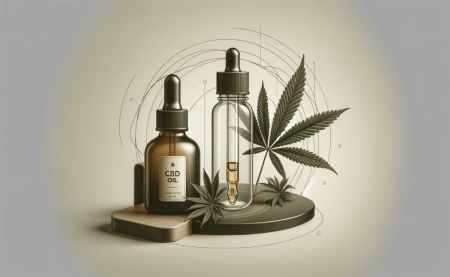
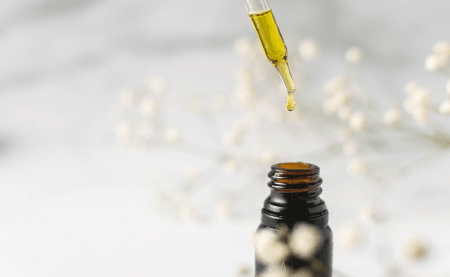
- Oils and tinctures: Easy to dose and consume, they are ideal for beginners and allow for rapid absorption when taken sublingually (under the tongue).
- Capsules: Offering precise dosing and a discreet method of consumption, they are preferred by those who do not like the taste of oils.
- Creams and lotions: Used for localised relief, such as muscle pain or skin conditions.
- Edible products: Such as gummy sweets, offering a pleasant method of consumption and easy dosing, but with slower absorption.
- Vaping: Offers rapid absorption, but may pose risks to lung health and is less recommended by healthcare professionals.
- Flowers and resins: Authentic taste, definite sensation, but poses health risks if smoked.
The availability of these different formats allows users to choose the product that best suits their specific needs and lifestyle, making CBD a versatile option in the field of wellbeing.
>> Discover our CBD products for wellbeing <<
The potential benefits of CBD for wellbeing
CBD has attracted growing interest for its many potential applications in the field of wellbeing and health. Although research is still ongoing, several studies have already highlighted the benefits that CBD may offer.
Relief from anxiety and stress
One of the most common uses of CBD is for the treatment of anxiety and stress. Preliminary research suggests that CBD may help reduce anxiety in people suffering from conditions such as generalised anxiety disorder, post-traumatic stress disorder (PTSD), and social anxiety. CBD is thought to work by modulating the brain’s responses to stress signals, thereby offering a calming effect without the sedative side effects of traditional medications.
Improved Sleep Quality
Sleep is essential for general well-being, and CBD may play a beneficial role for those struggling with insomnia or sleep disturbances. By addressing underlying causes, such as anxiety or pain, CBD can help improve the quality and duration of sleep. Studies suggest that CBD may help regulate sleep cycles, promoting more restorative sleep.
Pain and inflammation management
CBD’s anti-inflammatory and analgesic potential is another area of major interest. It may be useful in managing various types of pain, including chronic pain, neuropathic pain, and pain associated with arthritis. CBD interacts with receptors in the body’s endocannabinoid system, thereby potentially reducing inflammation and the perception of pain.
Other benefits being explored
Beyond these applications, research is exploring other areas where CBD could be beneficial, including skin health, with potential anti-acne and anti-ageing properties, and neurological wellbeing, where it could contribute to the management of conditions such as epilepsy and multiple sclerosis. Although promising, these areas require further study to confirm the efficacy and safety of CBD.
It is important to note that, despite these potential benefits, CBD is not a cure-all and should not replace conventional medical treatments. Individuals interested in using CBD should consult a healthcare professional to discuss incorporating it into their wellness routine, taking into account their personal health situation and potential interactions with other medications.
How to incorporate CBD into your daily routine
Incorporating CBD into your daily wellness routine can be a personalised approach, tailored to your specific needs and preferences. Here are some tips to get started safely and effectively.
Choosing the right CBD product
The first step is to select the CBD product that best suits your needs. Consider the type of relief you are seeking (e.g., localised vs. general), your preferred method of consumption, and ease of use. Oils and tinctures offer rapid absorption and adjustable dosages, whilst capsules, creams, and edibles may be more convenient for regular and discreet use.
Dosage: finding the right amount
The optimal CBD dosage varies from person to person, depending on factors such as body weight, metabolism, and sensitivity to CBD. It is generally advisable to start with a low dose and increase gradually until the desired effect is achieved. Take note of your reactions and adjust the dosage as needed, consulting a healthcare professional if possible.
Time of day: when to take CBD?
The best time to take CBD may depend on your goals. For anxiety or daily stress, taking it in the morning or throughout the day can be beneficial. If you are looking to improve your sleep, taking it an hour before bedtime may help. Experiment to find the time that works best for you, taking into account the effect of CBD on your body and mind.
Listen to your body
Everyone reacts differently to CBD. It is important to listen to your body and adjust your usage based on your personal observations. If you experience any adverse effects, reduce the dose or consult a healthcare professional.
Quality and safety
Choose high-quality CBD products, preferably tested by third-party laboratories to ensure their purity and concentration. Look for products from organic crops to avoid pesticides and contaminants, and choose suppliers known for their transparency and good manufacturing practices.
Incorporating CBD into your wellness routine may require a bit of experimentation to find what works best for you. By approaching this in an informed and cautious manner, you can potentially harness the benefits of CBD to improve your daily quality of life.
In conclusion, CBD presents itself as a promising option for those seeking to enhance their daily wellness routine, offering a range of potential benefits from anxiety and stress relief to improved sleep and pain management. However, it is crucial to approach the use of CBD with an informed mindset, choosing high-quality products, starting with low doses, and adjusting according to your personal response. As with any supplement or change to your health regime, consulting a healthcare professional is recommended to ensure that CBD is integrated safely and effectively into your life. With a cautious and personalised approach, CBD can become a valuable ally in your quest for everyday wellbeing.