




Your cart is empty

CBD and work: are they compatible?
Would you like to use CBD at work but aren’t sure if it’s legal? What does the law say? Can you drink CBD herbal tea, take cannabidiol oil drops or smoke a CBD joint at work? Given the ambiguous legal status of cannabis, it is worth questioning its legality in the workplace. Although non-psychoactive, CBD still suffers from the negative image associated with THC and may be frowned upon if consumed on a daily basis at work.
But does your employer have the right to ban you from smoking or consuming CBD on company premises?
Key takeaways:
- Consuming CBD at work is legal, but discretion is advised.
- CBD, which is legal in France, must contain less than 0.3% THC.
- An employer may prohibit the use of CBD if this is specified in the company’s internal regulations.
- Opt for discreet forms of CBD, such as capsules or e-liquids, to avoid conflict.
>>Order our Swiss CBD products from the shop<<
CBD: a legal cannabinoid
Firstly, it is, in principle, legal to consume cannabidiol in any situation. CBD is not psychoactive and is therefore not classified as a narcotic. It is therefore not necessarily subject to the provisions of the CCT No. 100 (Collective Labour Agreement), which governs the adjustments to be made in the event of drug or alcohol consumption. CBD is, quite simply, not a drug.
Cannabidiol, or CBD, is a cannabinoid found naturally in the hemp plant. Unlike THC, this molecule is not psychoactive: it does not impair mental clarity and is not addictive.
In December 2022, the Council of State definitively legalised CBD.
Cannabidiol is legal provided it is derived from approved cannabis strains and its THC content does not exceed 0.3%. Above this limit, cannabis products and extracts ‘fall under criminal policy regarding the fight against narcotics.’
Any consumption of CBD must therefore comply with current legislation to be legal.
Consuming CBD at work: is it allowed?
In light of current legislation, there is, in principle, no ban on consuming CBD in the workplace. Whether through CBD oil drops, CBD herbal teas, sweets containing cannabidiol or flowers, your consumption will not be in breach of the law.
If there are no contraindications to its use, you are perfectly free to take CBD during the day at your workplace. However, your employer must agree and this use must not be prohibited by your company’s internal regulations.
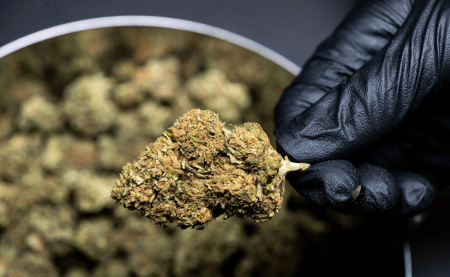
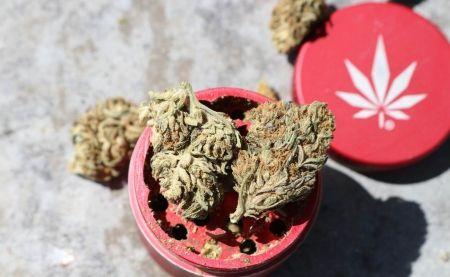
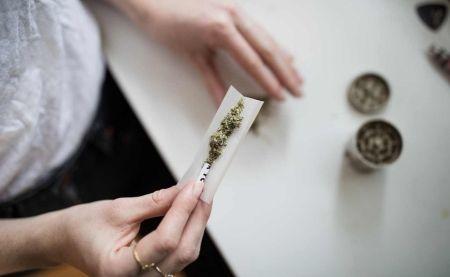
In any case, discretion is key. It is not necessarily advisable to smoke CBD using flowers or resins, as the smell and appearance are similar to THC-containing cannabis, which is prohibited. This could lead to a conflict with your line managers.
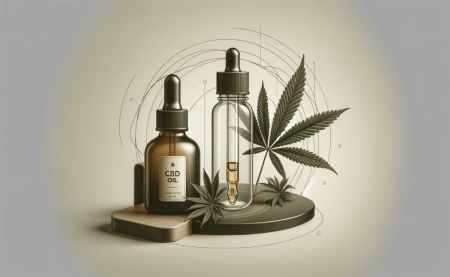
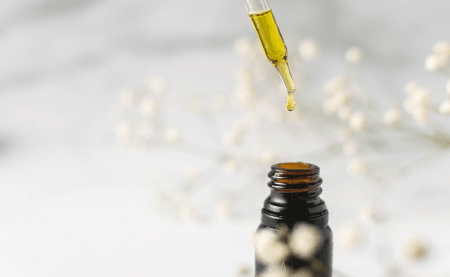
If you wish to use cannabidiol at work to relax or relieve pain, it would be better to opt for more discreet methods of administration. For example, you could choose CBD oil to place directly under the tongue, CBD capsules that look like dietary supplements, or even CBD sweets and herbal teas.
Of course, regardless of the product, it must have a THC concentration of less than 0.2% to avoid any legal issues.
Generally speaking, we recommend consuming products with no trace of THC when taken during the day. Choose so-called ‘broad spectrum’ products, consisting solely of cannabidiol with 0% tetrahydrocannabinol.
Although they are legal, so-called ‘full spectrum’ cannabidiol products, i.e. those containing authorised traces of THC, may cause you to lose concentration if the dosage is high.
Company policy prohibits the consumption of CBD
A company’s internal regulations set out the rights and duties of employees within that organisation. If the internal regulations stipulate that the consumption of CBD is prohibited, this falls under the employee’s ‘duties’.
You may therefore not consume CBD, even in the form of CBD oils or sweets, at your workplace if the company’s internal regulations specifically prohibit it.
In this case, your consumption of CBD must be restricted to private moments, outside of your working hours. Taking cannabidiol in contravention of the company’s internal regulations may lead to disciplinary action.
Your employer prohibits you from consuming CBD
If the internal regulations do not stipulate a ban on CBD, this does not mean you have the right to consume it against your employer’s wishes.
If your employer refuses to allow you to use CBD during working hours, you must comply. Failure to do so may be considered insubordination and lead to dismissal for serious misconduct.
Discreet CBD products
To avoid conflict, it is therefore best to avoid consuming CBD too openly. If you feel that the subject of cannabidiol is sensitive in your workplace, opt instead for discreet products that will help avoid potential conflict:
Avoid CBD flowers and resins at work
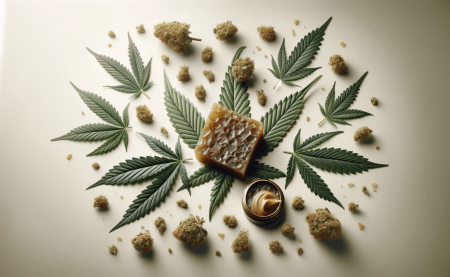
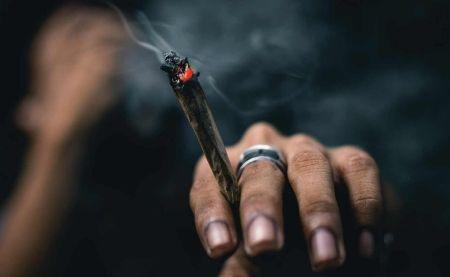
Cannabidiol consumed in the traditional way via CBD flowers or CBD hash gives off a strong smell, which could be mistaken for illegal cannabis. This could undermine your employer’s trust in you, as well as damaging the company’s image. To avoid this situation, simply do not smoke CBD joints at work!
CBD e-cigarettes
E-cigarettes allow you to vape CBD discreetly anywhere. Indeed, there are many cannabidiol e-liquids that do not smell of hemp. This will allow you to feel the effects of cannabidiol without having to hide!
CBD capsules
Odourless and discreet, CBD capsules look like ordinary dietary supplements. They allow you to consume cannabidiol without attracting attention.
>> Discover our CBD capsules <<
CBD sweets
CBD sweets are easy and discreet to take. In everyday life, they are a good way to consume CBD without attracting attention.
Of course, the aim is not to hide your use of cannabidiol from your employer. However, these methods allow for a more relaxed and discreet consumption that is unlikely to tarnish your company’s image.
See also
- Consuming CBD without smoking
- Which CBD to choose? Advice from Sixty8!
- CBD legislation in France: the Council of State’s ruling for 2023






















































































Leave a Reply Cancel Reply