

Your cart is empty

Why take CBD?
Key points:
- CBD offers a range of health benefits: It helps relieve pain, reduce anxiety, improve sleep and treat specific conditions such as epilepsy and multiple sclerosis.
- Variety of forms available: CBD comes in various forms, including oils, capsules, edibles, topicals and vapes, allowing users to choose the method of administration that suits them best.
- Importance of quality and legality: It is crucial to choose high-quality CBD products that have been tested by third-party laboratories and to ensure they comply with current regulations, particularly regarding THC content.
- Professional consultation recommended: Before starting a course of CBD treatment, it is essential to consult a healthcare professional to determine the appropriate dosage and avoid any drug interactions or complications related to pre-existing medical conditions.
The use of cannabidiol (CBD) is growing in popularity in France and elsewhere, largely due to its many potential health benefits.
Extracted from the cannabis plant, CBD is valued for its non-psychoactive properties, meaning it does not cause a ‘high’ sensation like THC does.
CBD users report positive effects on various health issues, ranging from pain management to reduced anxiety and improved sleep. This rise in popularity raises an important question: why take CBD?
The potential health benefits of CBD
CBD is touted for its many potential health benefits, affecting various aspects of physical and mental wellbeing. Although further research is needed to confirm these effects, numerous preliminary studies and personal testimonials suggest that CBD may play a beneficial role. Here is an overview of the main potential benefits of CBD:
- Pain relief: CBD is frequently used for its analgesic properties. Studies have shown that it can help reduce inflammation and interact with neurotransmitters to alleviate chronic pain, particularly in people suffering from arthritis or neuropathic pain.
- Reduced anxiety and stress: CBD may have anxiolytic effects by acting on receptors in the brain that regulate mood and stress responses. Many people use CBD to manage anxiety disorders, including post-traumatic stress disorder (PTSD), generalised anxiety disorder (GAD) and panic disorder.
- Improved sleep quality: CBD is also used to treat insomnia and improve sleep quality. By reducing anxiety and relieving pain, CBD can help users fall asleep more easily and enjoy a more restful sleep.
- Anticonvulsant effects: One of the most well-documented benefits of CBD is its effectiveness in treating certain forms of epilepsy, particularly Dravet syndrome and Lennox-Gastaut syndrome. Clinical studies have shown that CBD can reduce the frequency and severity of seizures in epilepsy patients.
- Support for mental health: Beyond anxiety, CBD is being studied for its potential to aid in the treatment of depression, bipolar disorder and other mood disorders. It works by modulating the endocannabinoid system, which plays a key role in regulating mood.
- Neuroprotective properties: CBD also shows neuroprotective potential, meaning it could help protect nerve cells from damage and degeneration. This could be beneficial in the treatment of neurodegenerative diseases such as Alzheimer’s and Parkinson’s disease.
- Immune support and anti-inflammatory effects: As an anti-inflammatory agent, CBD can help reduce inflammation in the body, which is beneficial for autoimmune diseases and chronic inflammatory conditions.
- Skin health benefits: CBD is also used in skincare products to treat conditions such as acne, eczema and psoriasis, thanks to its anti-inflammatory and sebum-regulating properties.
These potential benefits make CBD an attractive option for those seeking natural alternatives to traditional treatments. However, it is important to consult a healthcare professional before starting to use CBD, especially if you are taking other medications or have pre-existing medical conditions.
Why take CBD for pain relief?
Pain relief is one of the main reasons people turn to CBD. Several studies and testimonials suggest that CBD can be an effective and natural alternative to traditional painkillers, particularly for those suffering from chronic pain. Here’s how CBD can help manage pain:
- Interaction with the endocannabinoid system: CBD interacts with receptors in the body’s endocannabinoid system (ECS), a complex system that plays a crucial role in regulating various functions, including pain. By modulating the activity of these receptors, CBD can reduce the perception of pain.
- Anti-inflammatory properties: Chronic pain is often linked to inflammation. CBD has anti-inflammatory properties, which can help reduce inflammation and, consequently, alleviate pain. This is particularly beneficial for inflammatory conditions such as arthritis.
- Neuropathic pain: CBD is also effective for neuropathic pain, which is caused by nerve damage. Studies show that CBD can alleviate this form of pain by reducing the nerves’ sensitivity to pain.
- Fewer side effects: Unlike opioids and other painkillers, CBD is not addictive and has fewer side effects. This makes it a safer option for those who need to manage chronic pain over the long term.
- Complementary support: CBD can be used alongside other pain treatments, such as physiotherapy or prescribed medication. It can also be incorporated into topical creams and balms for localised relief.
- Studies and testimonials: Numerous preclinical and clinical studies support the use of CBD for pain relief. For example, a study published in the Journal of Experimental Medicine showed that CBD significantly reduced inflammation and pain in rodents without causing tolerance. Testimonials from human patients also report significant improvements in pain management.
CBD therefore offers a promising alternative for those seeking to manage pain in a more natural and less invasive way. However, it is always recommended to consult a healthcare professional before starting any new CBD-based treatment, especially if you are taking other medications.
How CBD can help reduce anxiety and stress
CBD is increasingly recognised for its positive effects on anxiety and stress. Many people use CBD to relax and improve their mental wellbeing. CBD influences serotonin receptors in the brain, which play a crucial role in regulating mood and anxiety. By increasing the activity of these receptors, CBD can help reduce feelings of anxiety.
Studies have shown that CBD possesses anxiolytic properties. A study published in the Journal of Psychopharmacology found that CBD significantly reduced anxiety in people with social anxiety disorder whilst taking part in a simulated public speaking test. Furthermore, CBD can help reduce levels of cortisol, the stress hormone, in the body. This can contribute to a sense of calm and relaxation, thereby helping to manage everyday stress.
CBD is also used to treat post-traumatic stress disorder (PTSD). It can help reduce PTSD symptoms such as flashbacks, nightmares and hypervigilance, by promoting more stable mood and sleep regulation. By reducing anxiety and stress, CBD can also help improve sleep quality. Better sleep can, in turn, reduce anxiety and stress, creating a virtuous cycle of well-being.
Numerous studies support the use of CBD for anxiety and stress. For example, a systematic review published in the Neurotherapeutics Journal concluded that CBD had significant anxiolytic effects in animal models of anxiety disorders. Many CBD users report a reduction in their anxiety and stress symptoms after incorporating CBD into their daily routine. These testimonials reinforce the findings of clinical and preclinical studies.
CBD thus offers a natural alternative to traditional anxiolytics, with fewer side effects and a lower risk of dependence. However, it is always advisable to consult a healthcare professional before starting a course of CBD treatment, especially if you have a history of mental health conditions or are taking other medications.
The effects of CBD on sleep and insomnia
CBD is widely used to improve sleep quality and treat insomnia, problems that affect many people. CBD interacts with the endocannabinoid system, a complex network of receptors in the body that plays a key role in regulating various bodily functions, including sleep. By influencing these receptors, CBD can help balance sleep cycles and promote deeper, more restorative rest.
One of the main mechanisms by which CBD improves sleep is its ability to reduce anxiety and stress, two of the leading causes of insomnia. By calming the mind and reducing anxious thoughts, CBD makes it easier to fall asleep and helps maintain uninterrupted sleep throughout the night. Furthermore, CBD has analgesic and anti-inflammatory properties that can alleviate chronic pain and other physical discomforts that disrupt sleep.
Clinical studies support the effectiveness of CBD in treating insomnia. For example, a study published in the Journal of Clinical Pharmacology found that CBD increased total sleep time and reduced the frequency of night-time awakenings in patients with sleep disorders. Furthermore, a study conducted by the University of Colorado showed that CBD could improve sleep quality in people suffering from anxiety, with a notable reduction in insomnia scores after one month of CBD treatment.
CBD users often report a significant improvement in the quality of their sleep. Many find that CBD helps them fall asleep more quickly, sleep more deeply and wake up feeling more rested. These beneficial effects on sleep also contribute to better management of anxiety and stress, creating a virtuous circle of general well-being.
CBD thus offers a natural, non-addictive solution for people suffering from insomnia or sleep disorders. However, it is recommended that you consult a healthcare professional before starting CBD treatment, particularly if you are taking other medications or have pre-existing medical conditions.
Use of CBD for specific conditions
CBD is being studied and used to treat various specific conditions, due to its versatile therapeutic properties. Here are some of the main conditions for which CBD has shown promising effects:
Epilepsy, particularly Dravet and Lennox-Gastaut syndromes, is one of the most well-documented conditions in relation to CBD. Research has shown that CBD can significantly reduce the frequency and severity of seizures in patients suffering from these rare and severe forms of epilepsy. In fact, Epidiolex, a CBD-based medicine, has been approved by the FDA for the treatment of these syndromes.
Multiple sclerosis (MS) is another condition for which CBD may be beneficial. MS is an autoimmune disease that affects the central nervous system, causing pain and muscle spasms. Thanks to its anti-inflammatory and neuroprotective properties, CBD may help alleviate these symptoms and improve the quality of life for patients with MS.
CBD is also used to manage the symptoms of Parkinson’s disease. This progressive neurodegenerative disorder causes tremors, muscle stiffness and difficulty moving. Preliminary studies suggest that CBD may help reduce tremors and improve patients’ quality of life thanks to its neuroprotective effects and its ability to reduce inflammation in the brain.
Post-traumatic stress disorder (PTSD) is another condition for which CBD shows promising potential. PTSD can cause flashbacks, nightmares and hypervigilance. By acting on the endocannabinoid system and regulating the stress response, CBD may help alleviate these symptoms and promote more stable mood and sleep regulation.
Irritable bowel syndrome (IBS) and other inflammatory gastrointestinal disorders may also benefit from the use of CBD. The anti-inflammatory properties of CBD may help reduce inflammation in the gastrointestinal tract, thereby relieving symptoms such as abdominal pain, cramps and bloating.
Finally, studies suggest that CBD may play a role in the treatment of mood disorders such as depression and bipolar disorder. By modulating the endocannabinoid system, CBD may help regulate mood and alleviate depressive symptoms.
These uses demonstrate that CBD has considerable therapeutic potential for a variety of medical conditions. However, it is essential to consult a healthcare professional before using CBD to treat a specific condition, to ensure it is an appropriate and safe option.
Why is CBD preferred over traditional medicines?
CBD is gaining popularity as an alternative to traditional medicines for several reasons. Many users and researchers highlight its unique advantages over conventional treatments, particularly in terms of safety, side effects and versatility.
One of the main reasons CBD is preferred is its safety profile. Unlike opioids and other strong painkillers, CBD is not addictive and carries a minimal risk of overdose. Opioids, whilst effective at relieving pain, are associated with a high risk of addiction and overdose, which has led to a public health crisis in many countries. In contrast, CBD offers a safer option for managing chronic pain.
Furthermore, CBD has fewer side effects than many traditional medications. For example, anxiolytics and antidepressants can cause significant side effects such as drowsiness, memory problems, sexual dysfunction and weight gain. In comparison, the side effects of CBD are generally minor and may include headaches, nausea and changes in appetite, but they are often less severe and less frequent.
CBD is also valued for its versatility. It can be used to treat a wide range of conditions, from chronic pain and anxiety to epilepsy and sleep disorders. This versatility makes CBD an attractive option for patients suffering from multiple conditions, as it can potentially replace several medications, thereby simplifying their treatment regimen.
Another reason why CBD is preferred is its natural approach. Many people seek natural alternatives to synthetic medicines for reasons of overall health and well-being. CBD, derived from the cannabis plant, is seen as a more natural and holistic option, in line with current trends in healthcare and well-being.
Anecdotal and scientific evidence also supports the effectiveness of CBD. Many users report significant improvements in their symptoms after using CBD, and preliminary studies confirm its therapeutic potential. For example, CBD has been shown to effectively reduce seizures in patients with severe forms of epilepsy, relieve pain and inflammation in patients with arthritis, and improve sleep in those suffering from insomnia.
Finally, CBD offers a complementary approach that can be used in conjunction with other treatments. Many patients use CBD to supplement their traditional medical treatment, thereby improving outcomes without interfering with their prescribed medications.
In summary, CBD is preferred over traditional medicines due to its safety profile, minimal side effects, versatility, natural approach and potential for use as a complementary treatment. However, it is essential to consult a healthcare professional before replacing or supplementing a course of medication with CBD, to ensure it is an appropriate and safe option.
The different forms of CBD available on the market
CBD comes in various forms, each offering specific benefits and methods of administration suited to different needs and preferences. Here is an overview of the main forms of CBD available on the market and their respective benefits:
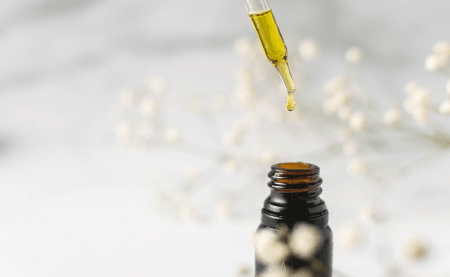
CBD oils and tinctures are among the most popular forms. They are generally taken sublingually, meaning a few drops are placed under the tongue for rapid absorption into the bloodstream. CBD oils offer flexibility in dosing and allow for rapid absorption, which is ideal for users seeking quick effects. They can also be added to food or drinks for more discreet consumption.
CBD capsules and tablets are a convenient option for those who prefer a pre-measured dosing method. They are easy to incorporate into a daily supplement routine and offer a discreet way to consume CBD. Capsules and tablets pass through the digestive system, meaning the effects may take longer to kick in, but they generally last longer.
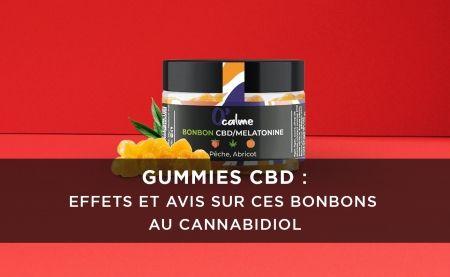
CBD edibles, such as gummies, sweets and chocolates, are a tasty and discreet way to consume CBD. They are easy to dose and can be an attractive option for those who dislike the natural taste of CBD oils. Like capsules, edibles pass through the digestive system, so the effects take longer to appear but can last for several hours.
CBD topical products, including creams, balms and lotions, are applied directly to the skin. They are particularly useful for targeting specific areas of the body affected by pain, inflammation or skin conditions such as eczema and psoriasis. Topical products do not enter the bloodstream but act locally to provide direct relief.
CBD vapes and e-liquids allow for rapid absorption of CBD through the lungs. This method is ideal for those seeking almost immediate effects. However, it is important to note that vaping may not be suitable for everyone, particularly those with pre-existing respiratory conditions.
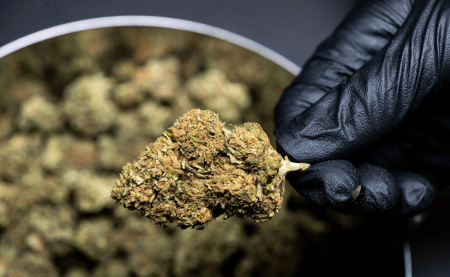
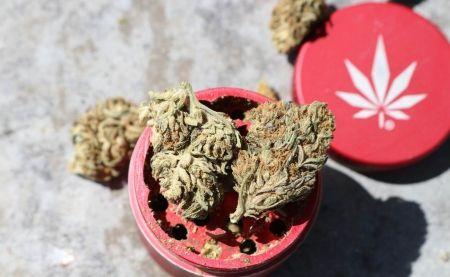
CBD flowers are a raw form of the cannabis plant, which can be smoked or vaporised. They contain naturally occurring CBD and offer a full-spectrum experience with other cannabinoids and terpenes. This method is popular among users seeking an entourage effect, where the various components of the plant work together to enhance the effects.
CBD isolates are purified forms of CBD, containing 99% pure CBD. They are available as powders or crystals and can be consumed in various ways, including by adding them to food, drinks or topical products. Isolates are ideal for those who wish to avoid THC or other cannabinoids entirely.
Each of these forms of CBD offers unique benefits and can be chosen according to individual needs and preferences. It is important to start with a low dose and increase gradually until the optimal amount for your needs is found. Furthermore, it is advisable to consult a healthcare professional before starting a new CBD regimen.
How to choose the right CBD product?
Choosing the right CBD product can seem complicated due to the variety of products available on the market. Here are some tips to help you select high-quality products suited to your needs:
- Check certifications and laboratory tests: Look for products that have been tested by independent third-party laboratories. These tests ensure that the product contains the amount of CBD stated on the label and is free from contaminants such as pesticides, heavy metals and residual solvents. Laboratory test results, often referred to as ‘certificates of analysis’, should be publicly available, usually on the manufacturer’s website.
- Consider the type of CBD: CBD comes in three main forms: CBD isolate, broad-spectrum CBD and full-spectrum CBD. CBD isolate is pure CBD, free from other cannabinoids or terpenes. Broad-spectrum CBD contains several cannabinoids and terpenes, but no THC. Full-spectrum CBD contains all cannabinoids, including a small amount of THC (generally less than 0.3%). Each type has its benefits, and the choice depends on your personal preferences and specific needs.
- Check the ingredients: Read the list of ingredients carefully to avoid unnecessary additives and fillers. High-quality CBD products usually contain natural, minimally processed ingredients. Also ensure that the product does not contain any substances to which you might be allergic.
- Choose the right dosage: CBD products are available in different strengths. If you are new to CBD, start with a low dose and gradually increase it until you find the dose that works best for you. Consult a healthcare professional for advice on dosage, especially if you are taking other medications.
- Consider the method of administration: As mentioned earlier, CBD comes in various forms, each with specific benefits. Choose a method of administration that suits your preferences and lifestyle. For example, if you need quick relief, sublingual oils or vapes may be suitable. If you prefer a discreet and tasty method, edibles such as gummies may be a good option.
- Check the source of the hemp: The quality of CBD also depends on the source of the hemp used. Look for products made from organically grown, pesticide-free hemp. Hemp grown in the US or Europe is often subject to strict agricultural standards, ensuring a higher-quality product.
- Read reviews and testimonials: Reviews from other users can provide valuable insights into a product’s effectiveness and the manufacturer’s reputation. Look for reviews from reliable sources and check whether the manufacturer has received industry certifications or awards.
- Consult a healthcare professional: Before you start using CBD products, consult a healthcare professional, especially if you are taking other medications or have pre-existing medical conditions. A professional can help you determine the appropriate dose and avoid drug interactions.
By following these tips, you will be better equipped to choose high-quality CBD products that meet your specific needs. The CBD market is vast and constantly evolving, so take the time to do your research and choose wisely.
The legality and regulation of CBD in France
The legality and regulation of CBD in France are crucial aspects to understand for anyone wishing to use or sell CBD products. Although the legal situation has evolved over the years, it is essential to stay informed about current laws to avoid any legal issues.
In France, CBD is legal under certain strict conditions. The main legal framework is based on the decree of 22 August 1990, which authorises the cultivation, importation and industrial and commercial use of certain varieties of hemp, provided that their THC (tetrahydrocannabinol) content does not exceed 0.3%. THC is the main psychoactive compound in cannabis, and its presence in quantities exceeding this limit would render the product illegal.
CBD-based products must be derived from hemp varieties authorised by the European Union, which are specifically cultivated to have a very low THC content. It is also important that finished products, such as oils, capsules and edibles, contain no detectable THC. In other words, CBD products sold in France must be ‘THC-free’.
CBD flowers pose a particular challenge in terms of legislation. Although the sale of CBD flowers is legal in some European countries, it remains controversial in France. The Court of Justice of the European Union (CJEU) issued a ruling in November 2020 stating that France could not ban the sale of CBD legally produced in another EU country. However, the French authorities continue to strictly regulate the sale of CBD flowers, and their legal status may vary.
It is also important to note that advertising for CBD products must comply with certain rules. Companies cannot make unproven or exaggerated medical claims regarding the benefits of CBD. Any health claims must be supported by robust scientific evidence and approved by the relevant authorities.
Retailers and manufacturers of CBD products must also comply with product safety and quality standards. This includes ensuring that products are free from contaminants, such as pesticides and heavy metals, and that they contain the levels of CBD and THC stated on the label. Products must often be accompanied by certificates of analysis from third-party laboratories to guarantee their compliance with regulations.
Finally, consumers are advised to stay informed about potential changes in legislation. CBD regulation is an evolving field, and new laws or guidelines may be introduced. To obtain the most up-to-date information, it is useful to consult official sources or legal professionals specialising in the regulation of health and wellness products.
In summary, although CBD is legal in France, there are specific rules regarding its production, sale and use. Complying with these regulations is crucial for consumers and businesses to ensure they remain within the law and avoid legal complications.
Conclusion
CBD has established itself as a promising natural alternative for a variety of health issues, ranging from pain relief to anxiety reduction and improved sleep. Its multiple forms and methods of administration offer flexibility tailored to individual needs, whilst its safety profile and generally minor side effects make it an attractive option compared to traditional treatments.
The growing body of personal testimonials and scientific studies supporting the benefits of CBD attests to its therapeutic potential. However, the legality and regulation surrounding CBD vary, and it is essential to stay informed and choose high-quality products that have been tested by independent laboratories.
Before starting any new CBD treatment, it is crucial to consult a healthcare professional to determine the appropriate dosage and ensure compatibility with other medications or medical conditions. Ultimately, CBD offers a natural path to wellbeing, meeting the needs of those seeking holistic solutions to improve their quality of life.