

Your cart is empty
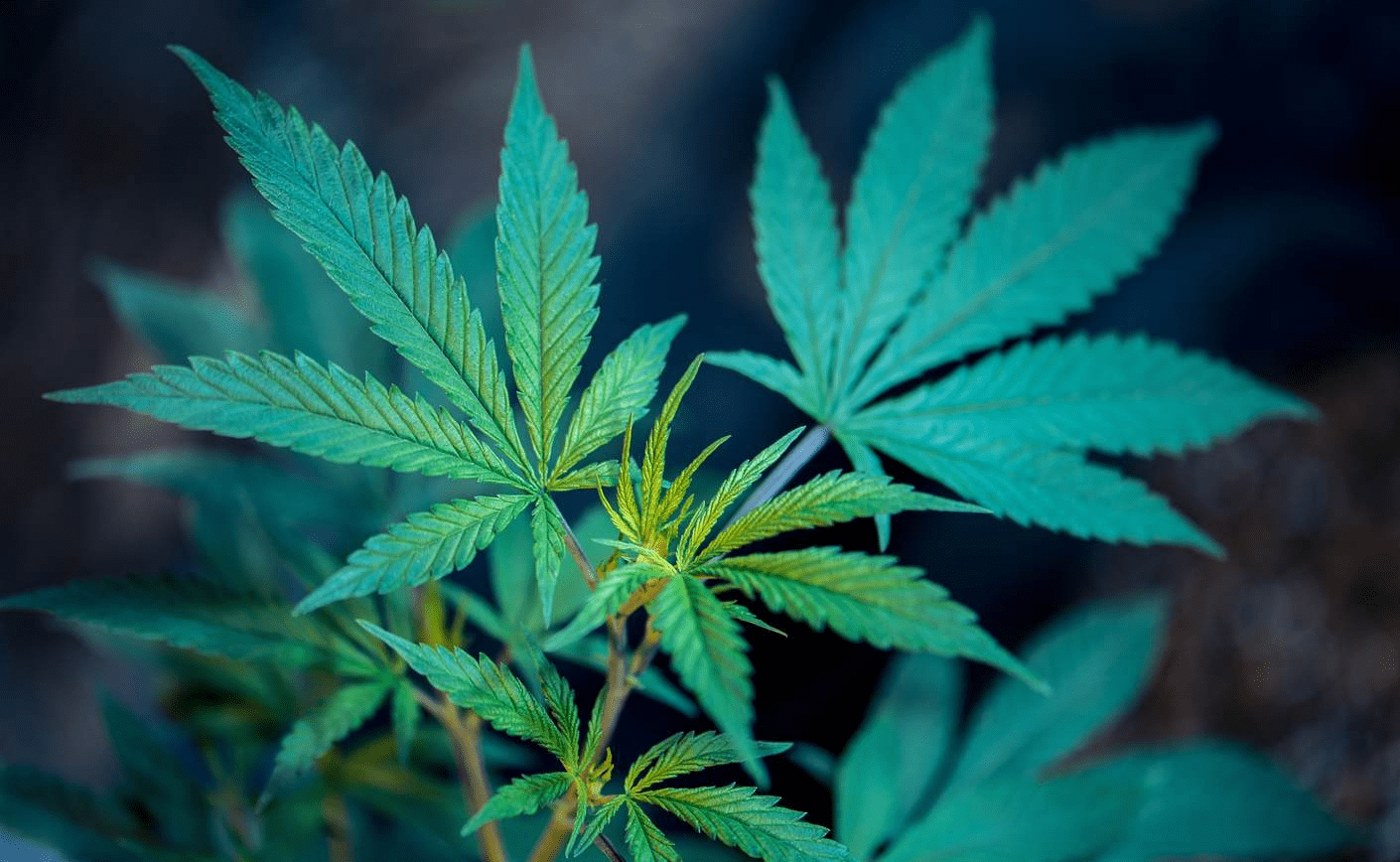
CBD / CBDa: What are the differences? What are the effects?
Of all the compounds found in cannabis, CBDa remains one of the most mysterious. Despite being an integral part of the cannabinoids, just like THC, CBD or CBG, cannabidiolic acid is still relatively unknown to consumers and remains largely overlooked by science. Do you really know what CBDa is? What are its notable differences from CBD and how can it be used in daily life? That is what we invite you to discover in the rest of this article.
Key takeaways:
- CBDA is the acid form of CBD, found naturally in cannabis, which is converted into CBD through decarboxylation.
- Acts more quickly and powerfully than CBD, primarily affecting CB1 receptors.
- Has relaxing effects and may counteract the side effects of heavy medication.
- Research on CBDA is limited; it should be consumed with caution and not as a substitute for medical treatment.
>>All our CBD products in the shop<<
CBDa: definition
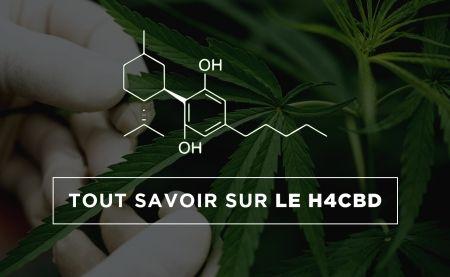
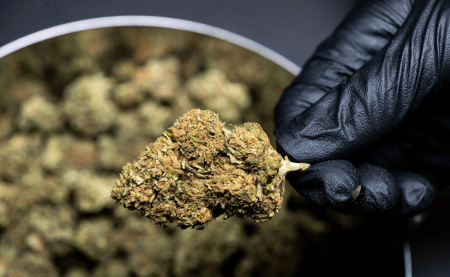
CBDa is the acid form of cannabidiol (CBD). In other words, it is the original form of CBD found in large quantities within the cannabis plant, and more specifically in the plant’s trichomes. It is when the plant is cut, then dried and exposed to light and heat that CBDa is converted into CBD through the elimination of CO2: this process is called decarboxylation.
CBD and CBDa: what are the differences?
As we have just discovered, CBDa is actually the acid form of CBD. This characteristic therefore allows it to act more quickly on the body when consumed, and to have a more potent effect than CBD at the same dose (over a shorter period).
Just like CBD, CBDa remains an active compound naturally present in the CBD flower. However, this acid appears to act primarily on the CB1 receptors of the body’s endocannabinoid system and is thus believed to be capable of affecting the nervous system. CBD, on the other hand, appears to activate both the CB1 and CB2 receptors in the human body.
CBDa also tends to demonstrate relaxing effects, which may be able to counteract the side effects of certain quite heavy-duty drug treatments. However, it is important to note that scientific research has not yet reached any definitive conclusions regarding this substance. It is therefore advisable to consume CBDa in moderation, particularly if you have never used CBD before.
See also: Find out more about CBD (Cannabidiol) and its effects
Is CBDa legal in France?
At present, the only cannabis-derived molecule that is illegal in France remains THC. CBDa is currently treated in the same way as CBD, and its consumption therefore remains entirely legal in France.
See also: Find out more about CBD legislation in France
The effects of CBDa on the body
As you will have gathered, CBDa is an active compound that has not yet been extensively analysed by science. Consequently, hypotheses regarding its effects on the body are largely based on certain scientific studies conducted on animals. This is why it is important to remain cautious regarding the validation of this information and the effects of CBDa on humans.
CBDa for nausea and vomiting
The first scientific study conducted in 2013 on shrews and rats suggests that CBDa may be effective in combating vomiting and nausea. This substance also appears to be more effective than CBD in treating these conditions, particularly as a preventative measure.
The effects of CBDa on seizures
In 2018, another scientific study highlighted the potential role of CBDa in reducing seizures caused by certain neurological conditions (epilepsy, Alzheimer’s or Parkinson’s). Cannabinoids appear to have a positive effect on people suffering from these symptoms, whilst being less aggressive than the conventional drug treatments currently in use.
The anti-inflammatory properties of CBDa
In 2008, researchers began to highlight the fact that CBDa has a molecular structure quite similar to that of non-steroidal anti-inflammatory drugs (NSAIDs), commonly used today in the treatment of certain ailments. These medicines often contain paracetamol and ibuprofen. Following a number of studies, scientists appear to have demonstrated that CBDa may inhibit COX-2 (a pro-inflammatory enzyme) in the same way as NSAIDs.
CBDa and cancer
Finally, it is important to note that a scientific study from 2014 suggested that CBDa could potentially play a role in reducing the spread of metastases in the treatment of certain cancers (particularly breast cancer). However, as these studies are still at a preliminary stage, this encouraging information should still be treated with caution.
|
Good to know: generally speaking, we would like to remind you that CBDa has not yet been subjected to extensive scientific testing. Its short-, medium- and long-term effects on the body have yet to be precisely determined by science. Under no circumstances should it be used as a substitute for medical treatment prescribed by a doctor. |
How to use CBDa?
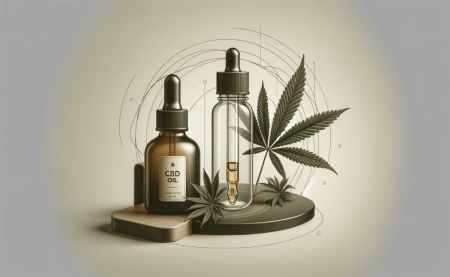
CBDa is generally sold in combination with CBD. It can be taken in the form of sublingual oil or even syrups. However, it is important to note that this oil has a strong hemp taste. If you do not like this flavour, you can still take it in the form of dietary supplements in capsule form. Similarly, you can easily mix your oil into a flavoured drink, such as fruit juice or smoothies, or even add it to your salad to try and mask its bitter taste.
See also: Find out more about Cannabigerol or CBG
We hope that this information about CBDa will help you better understand what this active compound is and what its potential effects on the body are. Make good use of it!
See also: