

Your cart is empty

How to grow cannabis?
Key points to remember:
- Compliance with local and federal laws: Before you start growing, it is crucial to understand and comply with the relevant legislation governing cannabis cultivation, including the necessary licences and permitted quantities.
- Choosing the growing environment: Deciding whether to grow indoors or outdoors is essential, as each environment has its own advantages and challenges. Indoor cultivation offers total control over environmental conditions, whilst outdoor cultivation utilises natural light and is generally less expensive.
- Monitoring and care during the growth phases: Particular attention must be paid to watering, nutrition, and the prevention of diseases and pests. Pruning and training the plants can also significantly improve yield.
- The importance of drying and curing: These stages are vital for maximising the quality of the harvest. Proper drying and curing enhance the aromas, flavours and effects of cannabis, and must be carried out with care to prevent mould and spoilage.
Growing cannabis for personal use can be a rewarding and enjoyable experience for many amateur gardeners. In addition to the satisfaction of growing one’s own plants, there are several benefits to consider. The autonomy gained from producing one’s own cannabis means a thorough understanding of what one is consuming, not to mention the pleasure of seeing one’s efforts come to fruition at harvest time.
However, it is crucial to ensure that this cultivation is carried out in accordance with current laws to avoid any legal issues. Complying with local and federal legislation ensures a safe and stress-free growing experience, allowing you to fully enjoy the pleasures of home cultivation.
The legal basis for home cannabis cultivation
Understanding the legislation on cannabis cultivation is essential to avoid legal complications. Before planting a single seed, it is imperative to check the necessary permits and the quantities authorised by the laws in your region. This information can vary considerably from one province to another in Canada, for example, and it is crucial to understand the distinctions between provincial and federal policies.
As laws change frequently, it is also important to stay informed about changes that could affect amateur growers. Subscribing to legal newsletters, following organisations specialising in cannabis law, or even regularly checking dedicated forums and websites can be good ways to stay up to date.
This legal knowledge base not only protects the grower from potential penalties, but also allows them to plan their cultivation with peace of mind.
Choosing your growing space: indoors or outdoors
The decision to grow cannabis indoors or outdoors depends on several factors, including climatic conditions, available space, and local laws. Each environment has its advantages and disadvantages.
- Indoors: Indoor growing allows for complete control over the environment, including temperature, humidity and lighting. This can lead to more consistent and predictable harvests. However, it requires an initial investment in equipment such as lighting, ventilation systems, and perhaps even CO2 sensors to prevent dangerous gas build-up.
- Outdoors: Growing outdoors is often less expensive as it utilises natural sunlight, which can also result in more robust and larger plants. However, plants are susceptible to adverse weather conditions and more frequent pest infestations.
To make the most of a small indoor space, techniques such as ‘Sea of Green’ (SOG) can be used, where many small plants are grown together to maximise space and speed up the harvest. Safety is also crucial: ensure that the electrical installation is safe and that ventilation systems are adequate to prevent mould or excessive CO2 build-up.
Step 1: Starting your grow – From germination to seedling
Germination is the first crucial step in growing cannabis. Here is a step-by-step guide to ensure your plants get off to a good start:
- Preparing the seeds: Start by selecting high-quality seeds. The seeds should be hard, dry and dark brown to black in colour. Avoid seeds that look small, green or white, as these are often immature.
- Germination method: There are several germination methods, but one of the simplest and most effective is the kitchen roll method. Moisten two sheets of kitchen paper, place the seeds between them, and store them in a sealed plastic bag or container to retain moisture. Keep them in a warm place, but not in direct sunlight, until roots begin to appear, usually within a few days.
- Planting the germinated seeds: Once the roots are a few millimetres long, it is time to plant them in a small pot with a suitable growing medium. The white tip, or root, should be pointing downwards. Cover the seed lightly with about 0.5 to 1 cm of growing medium. Water lightly but regularly to keep the growing medium moist but not waterlogged.
- Caring for young plants: The plants should be placed in a spot where they receive sufficient light but are protected from strong winds and direct sunlight, which could burn them. A sunny window or artificial plant light can work if natural light is insufficient.
- Monitoring and adjustments: Keep an eye on your plants for any signs of disease or stress, such as yellowing or wilting leaves. Adjust watering and lighting as needed to promote healthy growth.
Step 2: Monitoring and caring for the growing plant
Once you have successfully germinated your seeds and got your young plants through their first few days, the next phase involves maintaining an optimal environment to ensure healthy growth right through to flowering. Here are the key steps for monitoring and caring for your growing cannabis plants:
- Feeding the plant: Cannabis requires different nutrients during its various growth stages. Initially, a higher nitrogen intake is crucial for foliage growth. Use fertilisers specially formulated for cannabis or organic options such as bat guano or worm compost. Follow the instructions to avoid over-fertilisation, which can burn and damage the plants.
- Watering management: The frequency and amount of watering depend on several factors such as the growth stage, climate and type of growing medium used. A general rule is to allow the growing medium to dry out slightly between waterings. Too much water can lead to root problems and encourage disease.
- Preventing diseases and infestations: Regularly inspect your plants for signs of pests or diseases, such as unusual spots on the leaves or visible insects. The preventive application of organic treatments, such as insecticidal soap or neem oil, can help control the early signs of infestation without resorting to harsh chemicals.
- Adjusting the environment: Ensure your plants have sufficient light and space to grow. Indoors, adjust the height of the grow lights as the plants grow. Outdoors, protect the plants from extreme temperatures or strong winds.
- Pruning and training: Techniques such as ‘topping’ (cutting the top of the plant to encourage lateral growth) and ‘LST’ (Low Stress Training, which involves gently bending the branches to expose more of the plant to light) can be used to maximise yield and light distribution.
Step 3: From flowering to harvest – The life cycle
The transition from the growth phase to flowering is a crucial moment in the cannabis plant’s life cycle. Here’s how to manage this period to maximise flower production and prepare for a bountiful harvest:
- Triggering flowering: Indoors, flowering is induced by changing the plants’ light cycle to 12 hours of light and 12 hours of darkness. This change mimics the shorter daylight conditions of late summer, signalling to the plant that it is time to produce flowers. Outdoors, the plant will naturally begin to flower with the changing seasons.
- Nutrition during flowering: Once flowering begins, the plant’s nutrient requirements change. Reduce nitrogen and increase phosphorus and potassium levels, which support flower development. Fertilisers specifically designed for the flowering phase can be very beneficial here.
- Pruning techniques: Pruning leaves that shade the bud sites can help maximise the light received by the plant, which is crucial for flower development. Techniques such as ‘defoliation’ and ‘lollipopping’ (removing lower branches and leaves) are commonly used to encourage bud growth at the top of the plant.
- Monitoring and problem prevention: Continue to monitor the plants for signs of stress, disease or pests. Particular attention should be paid to mould and mildew, especially during the flowering stages when dense buds can trap moisture.
- Harvesting: The harvest time may vary depending on the strain and environmental conditions, but generally, the plants are ready when the trichomes (small resinous glands on the flowers) change from clear to a more opaque or milky state. Use sharp scissors to cut the branches, and handle the flowers gently so as not to damage the trichomes.
After harvesting, cannabis must be properly dried and cured, a process known as curing, to fully develop its aromas, flavours and effects.
The art of drying and curing: perfecting your harvest
Once the cannabis harvest is complete, drying and curing are crucial steps to maximise the quality of your flowers. Here is a step-by-step guide to drying and curing your cannabis properly:
- Drying:
- Preparation: Start by roughly trimming your plants, removing the large leaves and keeping the branches with the buds.
- Drying environment: The cut branches should be hung in a dark, cool, and well-ventilated place. The ideal humidity should be between 45% and 55%, with temperatures around 18°C to 21°C.
- Duration: The drying process can take between 7 and 14 days, depending on the environment. The stems should crack slightly but not snap completely when bent, indicating that the buds are ready for curing.
- Curing:
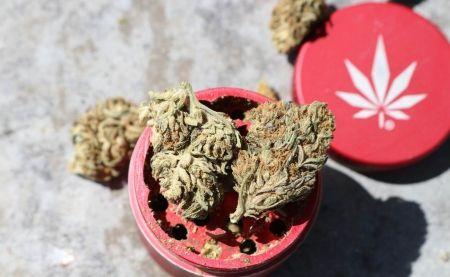
- Curing jars: Place the dried buds in wide-mouthed glass jars, filling the jars to 75% of their capacity to allow space for air circulation.
- Ventilation: Open the jars once a day during the first few weeks to let fresh air in and release excess moisture. This step is essential to prevent mould.
- Duration: The curing process should last at least two weeks, but can be extended to several months to further improve quality. The longer the curing period, the better the taste and effects of the cannabis will be.
- Monitoring: During curing, watch for signs of mould and ensure the buds do not become too dry. A hygrometer can be used to measure the humidity inside the jars.
This drying and curing process is vital for converting raw terpenes and cannabinoids into a form that maximises the aromas, flavours, and effects of the final cannabis.
Store and enjoy your harvest
After carefully drying and curing your cannabis, the final step is to store your harvest correctly to maintain its quality and freshness. Here are some tips for optimal storage:
- Proper storage:
- Containers: Use airtight glass containers to store your cannabis. Avoid plastics, which can affect the taste.
- Conditions: Store the containers in a cool, dark and dry place to protect against the degradation of cannabinoids and terpenes by light and heat.
- Labelling: Label your containers with the harvest date and strain to track the age and characteristics of your cannabis.
- Managing surplus harvest:
- Donation: If local laws permit, consider donating surplus cannabis to friends or medical patients who need it.
- Processing: Process part of your harvest into derivative products such as tinctures, edibles or oils, which can also be an excellent way to preserve cannabis.
- Creating derivative products:
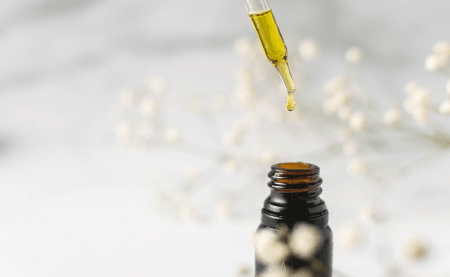
- Tinctures and oils: Use alcohol or oils to extract cannabinoids. These products can be used for precise dosing and long-term storage.
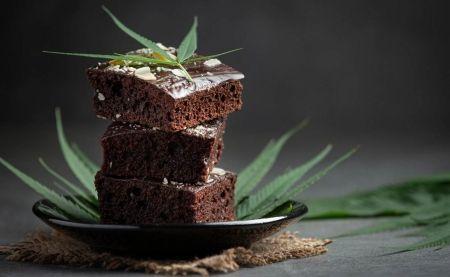
- Edibles: Incorporating cannabis into food is another way to use up surplus while enjoying a different and potentially longer-lasting experience.
By storing your cannabis correctly and managing surplus intelligently, you will maximise the benefit of your harvest whilst complying with local legislation.
Conclusion
Growing your own cannabis can be a rewarding adventure that offers great satisfaction and valuable knowledge of plants. By following best practices and adapting your methods to local laws and the specific conditions of your environment, you can achieve excellent results. We encourage you to share your own experiences and to continually learn from the growing community to improve your gardening skills.
Further reading
Cannabis Seeds & CBD Seeds: What’s the Difference (Legislation, Cultivation, Curing...)?