

Your cart is empty

H4CBD: What is it? How should it be consumed?
CBG9, THCP, THCJD, H4CBD, HHCP and HHCPO are now banned in France. Discover CBD as an alternative!
At the heart of scientific innovation and the relentless quest to discover compounds beneficial to human wellbeing, a molecule is emerging with promise and potential: H4CBD. This little-known derivative of traditional cannabidiol (CBD) opens up new avenues in the pursuit of personal wellbeing, whilst navigating regulatory complexities and the challenges of public perception. As the world awakens to its possibilities, this article aims to lift the veil on H4CBD: from its chemical nature to its applications, including consumption methods tailored to every need and desire.
What is H4CBD?
The world of cannabis is constantly evolving, regularly offering new discoveries to its audience. Among the latest molecules to attract interest, H4CBD stands out as a promising, potentially revolutionary component for the wellness industry. But what exactly is H4CBD, and how does it differ from the traditional CBD that many already know and appreciate?
Hydrogenated cannabidiol: definition and chemistry
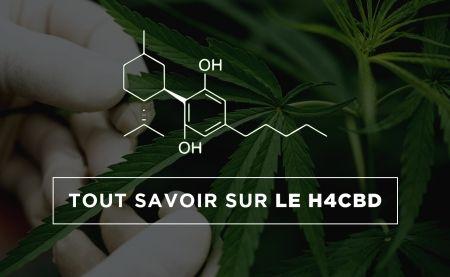
H4CBD, or tetrahydrocannabidiol, is a molecule that shares certain structural similarities with cannabidiol (CBD), one of the most studied and valued components of cannabis. However, thanks to specific modifications in its chemical structure, H4CBD exhibits properties that could offer distinct benefits compared to CBD. These modifications influence the way the molecule interacts with the body’s endocannabinoid system, which plays a key role in regulating numerous physiological functions.
Origin and production of H4CBD
Hydrogenated cannabidiol is generally produced in two ways: either through laboratory synthesis or by extraction from specific cannabis strains that naturally produce it in small quantities. Laboratory synthesis allows for the creation of a pure, high-quality H4CBD molecule, ensuring optimal consistency and efficacy for users. This production method is crucial for meeting regulatory standards and ensuring consumer safety.
Properties and effects of H4CBD
Preliminary research on H4CBD suggests that this molecule may offer benefits similar to those of CBD, such as reduced anxiety, pain relief and improved sleep, but with potentially greater efficacy or fewer side effects. This is due to its unique way of interacting with the body’s endocannabinoid receptors. However, it is important to note that research into H4CBD is still in its early stages, and further studies are needed to fully understand its potential and implications for health.
Guidance and regulations
Is H4CBD legal?
The legality of H4CBD varies from country to country, depending on local regulations regarding cannabinoids and cannabis-derived products. In some countries, H4CBD may be treated in the same way as CBD, benefiting from relatively lenient regulations, whilst in others it may be subject to stricter restrictions. It is crucial for consumers and producers to keep abreast of the laws and regulations in force in their region to ensure compliance.
H4CBD represents an exciting development in the field of cannabis, with the potential to offer users a new range of health benefits. However, as with any new substance, the importance of ongoing research and appropriate regulation cannot be underestimated to ensure the safety and efficacy of its use.
Does hydrogenated cannabidiol have any adverse effects?
As with any active substance, the issue of side effects is paramount for potential consumers. Hydrogenated cannabidiol (H4CBD) is no exception to this rule, and although research into this molecule is still at a relatively early stage, it is important to consider the available information regarding its safety and potential side effects.
H4CBD, as a hydrogenated variant of CBD, shares many properties with its predecessor, including a safety profile that appears promising. Studies on CBD have shown that it is generally well tolerated by humans, even at high doses, and the reported adverse effects are often mild. These effects may include fatigue, changes in appetite, gastrointestinal disturbances, and occasionally drowsiness or a feeling of unease.
However, given the structural modifications that distinguish H4CBD from CBD, it is crucial not to directly extrapolate CBD safety data to H4CBD without concrete evidence. The modifications made to create H4CBD could theoretically alter its interaction with the human body, which could in turn influence its side-effect profile.
It is also important to note that each individual’s reaction to H4CBD may vary depending on numerous factors, including genetics, general health, and the concurrent use of other medications. Some individuals may be more susceptible to experiencing adverse effects, highlighting the importance of a personalised approach when using cannabinoids.
To avoid any safety issues, it is best to use H4CBD during quiet moments, starting with low doses. Please follow the instructions provided by your supplier.
H4CBD products
Flowers
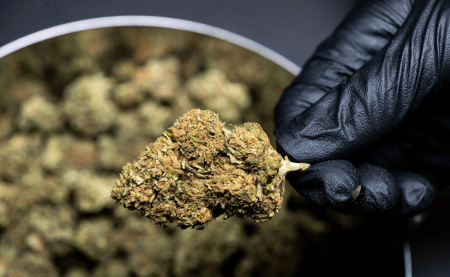
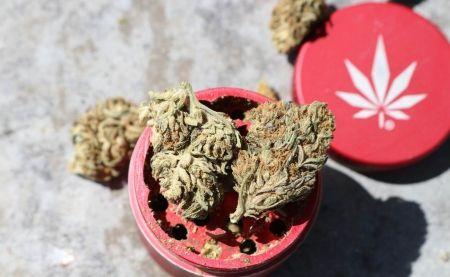
Although H4CBD is primarily produced through laboratory synthesis or extraction, certain cannabis strains are specifically cultivated to contain higher levels of this molecule. H4CBD flowers can be used in the same way as traditional CBD flowers. They offer a more ‘natural’ experience for consumers who prefer whole-plant products.
Resins
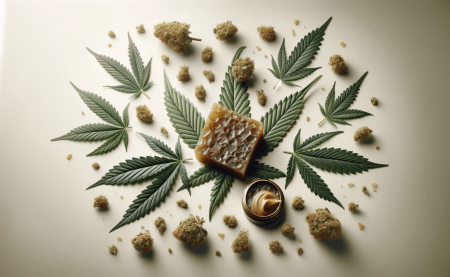
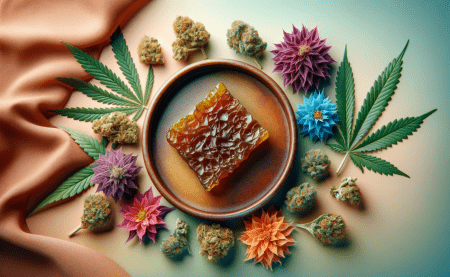
H4CBD resins are another popular format, concentrating cannabinoids and terpenes for a more potent experience. These resins can be vaped or incorporated into edibles, offering flexibility of use. The high concentration of H4CBD in resins makes them an attractive option for those seeking more pronounced effects.
Vapes
H4CBD vape cartridges have become a preferred method of consumption for many, due to their convenience and discretion. H4CBD-infused e-liquids allow for rapid and efficient absorption of the cannabinoid, ideal for users seeking immediate relief. Furthermore, vapes offer an experience without the drawbacks of combustion, such as lingering odours and smoke production.
>> Discover H4CBD products on Sixty8 <<
How should H4CBD be consumed?
With the emergence of H4CBD as a promising new molecule in the field of health and wellbeing, many people are interested in the best way to incorporate it into their daily routine. H4CBD can be consumed in several ways, each offering specific benefits depending on individual needs and preferences. Here is an overview of the most common methods of consuming H4CBD, along with advice on dosage and safety.
Methods of consumption
Ingestion : One of the simplest and most common ways to consume H4CBD is in the form of capsules or edibles. This method allows for precise dosing and ease of use. The effects generally take longer to kick in compared to other methods, as the H4CBD must pass through the digestive system before entering the bloodstream.
Inhalation: Vaporising H4CBD is another popular method, offering rapid and effective absorption. By inhaling H4CBD, users may feel the effects almost immediately, which can be particularly beneficial for those seeking quick relief.
Other methods, which are less recommended, are regularly tried by users. Some people smoke H4CBD flowers and resins. We do not recommend this method.
Dosage and safety
The dosage of H4CBD can vary considerably from person to person, depending on factors such as weight, age, metabolism and tolerance levels. It is generally advisable to start with a low dose and increase gradually until the desired effect is achieved, whilst monitoring the body’s reactions. Consulting a healthcare professional before starting any new supplement, including H4CBD, is always recommended to ensure there are no contraindications or interactions with other medications.
Comparison with other forms of CBD
When comparing H4CBD with other forms of CBD, it is important to consider the differences in terms of efficacy, user experience and consumption preferences. Although H4CBD may offer unique benefits due to its modified chemical structure, the decision between H4CBD and other forms of CBD will ultimately depend on individual wellness goals and personal responses to each compound.
In conclusion, consuming H4CBD offers a range of flexible options for incorporating this promising new molecule into a wellness regimen. Whether through ingestion, inhalation or topical application, it is crucial to pay attention to dosage and safety to maximise potential benefits whilst minimising risks. As with any new health product, an informed and cautious approach is key to a positive experience with H4CBD.
See also
Discovering H4CBD Hash Resins: Pakistani, H Bomb and Mousseux