

Your cart is empty
Growing CBD: Is it profitable?
Key takeaways:
- Cost-effectiveness of home cultivation: Growing your own CBD can be more cost-effective than buying finished products, especially once the initial costs have been recouped.
- Challenges and solutions: Pest management, climate control and legal regulations are major challenges, but with the right practices and equipment, these obstacles can be overcome.
- Space optimisation and techniques: Using techniques such as ‘Low Stress Training’ and choosing strains suited to small spaces can maximise yield even in confined environments.
- Legal compliance: It is crucial to understand and comply with local laws, including necessary permits and restrictions on cannabis strains, to avoid legal issues.
Growing CBD at home is gaining popularity as people increasingly explore the therapeutic and relaxing benefits of this compound. Given the costs associated with buying finished products, growing your own CBD can seem like an attractive alternative. This article explores the basics, benefits and legal aspects of growing CBD at home. It provides a guide on how to convert a personal space, whether a corner of the house or part of the garden, into an effective growing area. By examining the challenges and opportunities of this approach, this text aims to equip readers with the knowledge needed to start their own CBD cultivation.
Is growing your own CBD a cost-effective option?
Assessing the cost-effectiveness of growing CBD at home depends on several factors, including initial costs and potential savings compared to buying commercial CBD products. The initial investment required to start growing CBD includes acquiring seeds or cuttings, purchasing growing equipment such as grow lights and irrigation systems, and setting up a suitable space. However, once these initial expenses have been covered, recurring costs are mainly limited to maintenance, such as water, nutrients and electricity.
On the other hand, the price of CBD products on the market can vary significantly, often depending on the quality and concentration of the CBD. By growing their own CBD, individuals can not only tailor the quality and characteristics of their products to their personal preferences, but also avoid the high costs associated with ready-made products. This can result in substantial long-term savings, especially for regular CBD users.
It is also important to consider personal satisfaction and total control over the finished product, which can greatly contribute to the perceived added value of such an undertaking.
For example, the average cost of one gram of CBD derived from growing average-quality CBD seeds is between €2 and €4, whereas one gram of a strain such as Amnesia Haze will cost you €5.95.
>>Discover our range of cultivation products<<
How to start growing CBD at home?
For beginners, setting up a home CBD grow might seem complicated, but by following a few key steps, the process becomes more accessible. The first step is choosing the right location. As CBD is a plant that requires plenty of light, a space with good natural light or fitted with artificial grow lights is essential. Temperature conditions must also be controlled, ideally between 20 and 25 degrees Celsius.
Choosing CBD-rich cannabis strains is crucial. It is recommended to select legal strains, specifically designed for home cultivation, which comply with local regulations on THC content. These strains are generally better suited to small spaces and have been optimised to produce high levels of CBD.
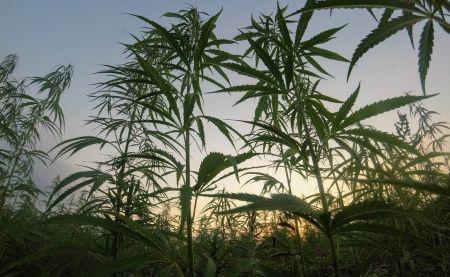
Next, it is important to understand the basics of hemp cultivation, which include the plant’s life cycle, nutritional requirements, watering, pest and disease management, and pruning techniques. Using pots or hydroponic systems can offer more precise control over growing conditions.
Challenges of home-grown CBD and how to overcome them
Growing CBD at home presents certain challenges that growers must know how to manage to ensure the health and productivity of their plants. One of the main obstacles is managing pests and diseases, which can compromise the quality and quantity of the harvest. Using biological control methods and maintaining strict hygiene in the grow space can help prevent these problems.
Another challenge is controlling the indoor climate. CBD plants require specific conditions in terms of light, humidity and temperature. Investing in a good ventilation system and high-quality grow lights can be crucial. Furthermore, using humidifiers or dehumidifiers helps to maintain humidity at optimal levels, which is essential for preventing mould and other fungal issues.
Legal regulations are also an important consideration. Laws vary considerably from place to place, affecting everything from the amount of CBD plants can legally produce to the number of plants permitted to be grown. It is vital to research local laws and ensure cultivation remains within legal limits to avoid legal complications.
Finally, a lack of experience can be a hurdle for new growers. Making use of online resources, such as forums, specialist blogs, or even courses on cannabis cultivation, can provide valuable assistance and increase the chances of success.
Maximising the yield of your CBD crop in a small space
Optimising the available space is essential for those growing CBD in confined spaces, such as flats or small gardens. Several techniques can help increase productivity without requiring much space.
The first method is plant training. Techniques such as ‘Low Stress Training’ (LST) and ‘Screen of Green’ (ScrOG) allow you to manipulate the shape of the plants so that they develop a larger surface area of foliage exposed to light, which can significantly increase the yield of CBD flowers.
Using high-quality LED grow lights is also a wise investment. These lights consume less energy and emit less heat than traditional options, making them ideal for small spaces whilst providing the light necessary for optimal plant growth.
Another strategy involves optimising the growth schedule. By adjusting light cycles to shorten growth periods, flowering can be induced more quickly, allowing for multiple growing cycles throughout the year.
Finally, choosing autoflowering strains or varieties specifically suited to growing in confined spaces can also play a crucial role. These plants tend to remain smaller and can be easier to manage in confined environments.
Daily care of your CBD crop
Regular care is crucial to ensuring the health and vigour of CBD plants. Here are some recommended daily practices to maintain a productive crop:
- Watering: CBD plants require regular but moderate watering to avoid both drought and waterlogging. It is important to allow the soil to dry out slightly between waterings to prevent root rot.
- Nutrition: Providing balanced nutrients is essential. Using cannabis-specific fertilisers, which contain a suitable blend of nutrients, can optimise growth and CBD production. It is crucial to follow the instructions to avoid over-fertilisation, which can be harmful.
- Pruning and cleaning: Removing dead or diseased leaves helps prevent the spread of disease and optimises light exposure for healthy leaves. Pruning can also encourage plants to grow outwards rather than upwards, which is ideal for confined spaces.
- Pest and disease monitoring: Inspect plants regularly for signs of stress, pests or diseases. Early detection is key to intervening quickly and effectively without resorting to harsh chemical treatments.
- Climate control: Maintain constant control of humidity and temperature in the grow space. Using monitoring devices to track these conditions can help create an optimal environment for growing CBD.
Regulations to be aware of before starting to grow CBD
Before starting to grow CBD at home, it is crucial to understand and comply with local laws and regulations. These regulations can vary significantly by region and have a direct impact on what is permitted in terms of cannabis cultivation.
- Permits and licences: In some places, it may be necessary to obtain specific permits or licences to grow cannabis, even for personal use. It is important to check with local authorities to obtain the correct information.
- Growing limits: Many jurisdictions limit the number of plants an individual can grow at home. These limitations may also include restrictions on the visibility and security of the crops.
- Variety restrictions: Some regions may impose restrictions on the types of cannabis that can be grown, particularly in terms of THC content. Opting for varieties specifically designed to be low in THC and high in CBD is often a legal requirement.
- Additional considerations: There may also be rules regarding the sale or gifting of CBD and cannabis-derived products. Even if cultivation is for personal use, such transactions may be regulated.
It is recommended to consult a legal expert to ensure compliance with all local laws before starting cultivation. This can help avoid legal issues and ensure that the experience of growing CBD at home is both safe and satisfying.
See also
How to choose a cannabis seed?
Cannabis seeds & CBD seeds: What’s the difference (legislation, cultivation, curing, etc.)?