

Your cart is empty

Is CBD (cannabidiol) legal in France?
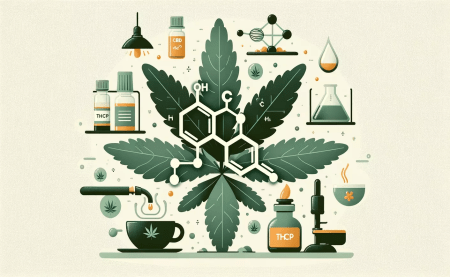
CBD, or cannabidiol, is one of the many cannabinoids found in the cannabis plant. Unlike its more famous cousin, THC (tetrahydrocannabinol), CBD is not psychoactive, meaning it does not produce a ‘high’. CBD is often praised for its properties, ranging from anxiety relief to pain management. Whilst cannabidiol is now attracting the interest of the scientific community for its many benefits, its legalisation in France has been a long and arduous process!
CBD legislation in Europe
CBD in Europe
Legislation regarding CBD in Europe is as varied as the countries that make up the continent.
The guidelines provided by the European Union specify that CBD-based products derived from hemp plants are legal if they contain less than 0.2% THC, the psychoactive compound in cannabis. However, the interpretation and application of this directive vary considerably from one Member State to another.
Take Germany, for example, where CBD is legal provided that products do not exceed the THC threshold set by the EU. Pharmacies there sell CBD oils and other formulations, often marketed as food supplements or wellness products.
In Italy, by contrast, the legal framework has been more volatile, with periods where CBD products were widely available followed by stricter restrictions. However, the general trend is towards broader acceptance of CBD, provided that products comply with THC legislation.
In Spain, CBD is legal only for topical use, such as in creams or balms, whilst its consumption in the form of food supplements is prohibited. Spanish CBD shops must therefore navigate a fairly strict regulatory environment.
The United Kingdom, although no longer a member of the EU, provides a relevant example. Since Brexit, it has established its own rules, authorising the sale of CBD products provided they are correctly labelled and do not contain THC.
… and THC?
When it comes to THC, the situation is more complex. Most European countries maintain strict laws on THC due to its psychoactive effects. However, the conversation surrounding THC is evolving, particularly with the development of medical cannabis programmes that allow the use of high-THC cannabis strains for patients with a prescription.
The legalisation of cannabis for recreational use remains a subject of debate in Europe, with only a few countries, such as the Netherlands, having adopted a more liberal approach, permitting consumption under regulated conditions. Other countries are closely monitoring the outcomes in places where recreational cannabis is legal, such as certain states in the US and Canada, to assess the impact of such a policy on their own territory.
In summary, CBD in Europe is undergoing a period of transition, with a trend towards more flexible regulation reflecting a more nuanced understanding of the distinction between different cannabinoids and their therapeutic potential. The issue of THC remains more controversial, but it is also the subject of ongoing reassessment within the international community.
CBD in France
France, which has long had some of the strictest legislation regarding cannabis-derived products, has gradually moved towards a more tolerant approach to CBD, influenced largely by European decisions and shifts in public perception.
Legalisation over time
The road to CBD legalisation in France has been fraught with controversy and legal confusion. However, the landmark ruling by the Court of Justice of the European Union in 2020, ruling that CBD could not be considered a narcotic, forced France to reconsider its position.
This ruling notably criticised the French ban on the sale of CBD produced legally in other Member States.
Legal framework for CBD in France
Since 2023, CBD has been officially legal in France. CBD-based products must be derived from authorised hemp varieties and must not exceed a certain THC level to comply with French legislation.
The legal THC threshold in CBD products in France is set at 0.3%, in line with European Union recommendations. This level is considered low enough to avoid the psychoactive effects associated with THC whilst allowing consumers to benefit from the potential advantages of CBD.
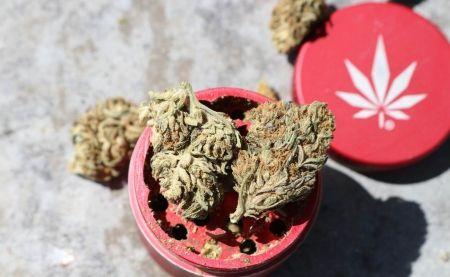
The sale of dried CBD flowers and leaves, although initially in a legal grey area, has finally been authorised, provided they also comply with this maximum THC level. Furthermore, French legislation requires that CBD products must clearly state their composition and recommended methods of use, and must not make unproven therapeutic claims.
It is important to note that the cultivation of hemp in France is strictly regulated. Farmers must be registered and are only permitted to grow hemp varieties listed on an EU-approved list, known for their low THC content.
Restrictions relating to CBD
France also continues to strictly prohibit the consumption and possession of cannabis for recreational purposes, and this includes products containing THC levels above the legal limit.
In summary, the status of CBD in France is the result of legislative developments influenced by European legal rulings, changes in scientific understanding and economic considerations. With a clear regulatory framework regarding the permitted THC level, the CBD market in France can now develop within a well-defined legal space.
CBD and driving in France
Regulations concerning driving under the influence of substances that impair driving ability are a major concern in France, as in many other countries. When it comes to CBD, which has no significant psychoactive properties at legal concentrations, the legal situation may seem complex.
CBD and driving ability
It is generally accepted that CBD, at THC levels compliant with the law (<0.3%), does not significantly impair the motor or cognitive skills required for driving. However, the issue arises when products contain THC levels above the legal threshold or when the user consumes very high doses of CBD, which could result in a detectable concentration of THC in the blood.
Legislation and screening tests
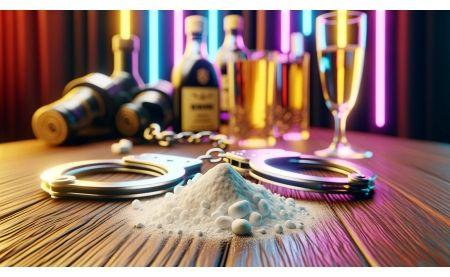
In France, driving under the influence of narcotics is a criminal offence, punishable by severe penalties ranging from heavy fines to a prison sentence, as well as the suspension or revocation of a driving licence. Law enforcement agencies use saliva tests to detect the presence of narcotics, including THC. If a driver tests positive, they may face penalties even if the source of the THC is a legally purchased CBD product.
It is therefore crucial that CBD users in France are aware of the products they are using and their exact composition. They must ensure that CBD products not only comply with the legal THC limit but also that they do not consume quantities that could lead to a positive test.
The reason for these precautions is the Highway Safety Code, which does not yet recognise the 0.2% THC threshold and therefore makes no distinction in the event of a positive test.
>> THC-free CBD for driving <<
Why is CBD legal?
The legalisation of CBD in France and other European countries can be attributed to several factors. Court rulings, evolving scientific evidence supporting the benefits of CBD, and shifts in public perception regarding cannabis have all played a role.
In conclusion, the legal status of CBD in France is the result of a complex shift in attitudes, supported by court rulings and emerging scientific evidence. With legalisation, France joins a number of countries that recognise the potential applications of CBD and are adapting to a rapidly expanding market.