

Your cart is empty
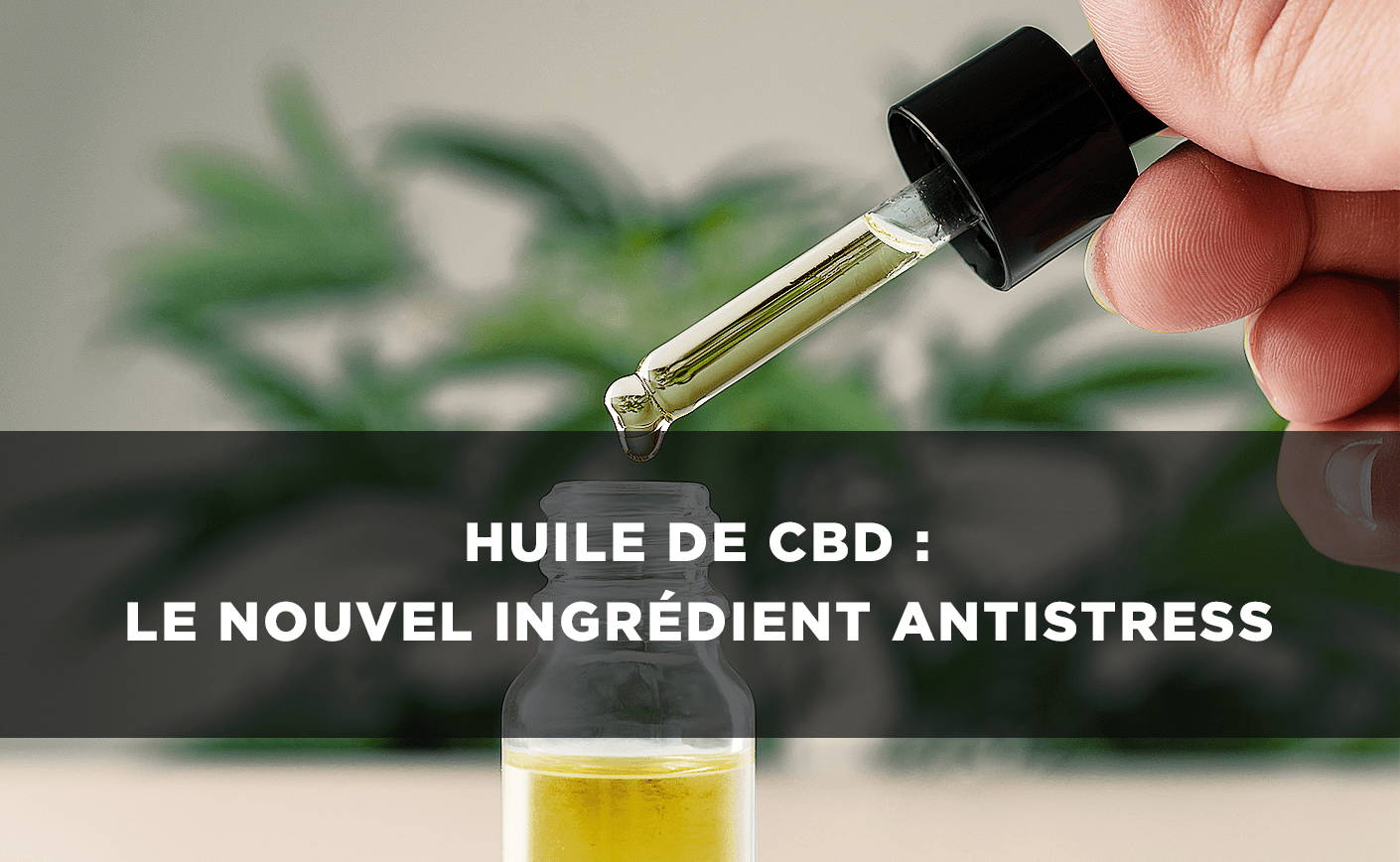
CBD oil: the new anti-stress ingredient
A recent study, published in 2021 in the Journal of Cannabis Research, has shown that the two main reasons for using CBD are anxiety and stress. This comes as no surprise, given that the majority of French people report having one or more sources of stress in their daily lives.
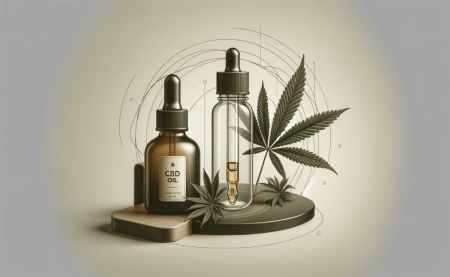
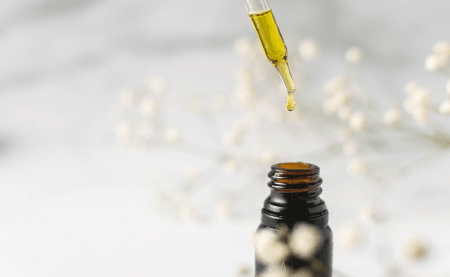
In this context, cannabidiol oil is becoming a must-have, particularly as 73% of users report taking CBD oil sublingually, according to the same study. This method of consuming cannabidiol via oil has received extremely positive reviews. In this article, we explain why and how cannabidiol oil can help you combat stress, improve your sleep and promote your well-being.
Key takeaways:
>>Order all our CBD oils from the shop<<
CBD oil for stress: the effects
Stress and cannabidiol oil
As we know, cannabidiol is a good solution for managing everyday stress and anxiety. It acts directly on our CB1 and CB2 endocannabinoid receptors, providing an almost immediate sense of well-being, depending on how it is consumed.
It is often referred to as a ‘natural anxiolytic’. Several studies have shown that cannabidiol has the ability to calm the nervous system. Furthermore, reviews of CBD oil tend to confirm that the cannabinoid has the ability to improve users’ quality of life.
This ability to combat stress and anxiety makes cannabidiol oil almost indispensable, given that a recent Ifop study shows that 95% of the population report having at least one source of daily stress (political and economic news, the environment, financial problems, family, work, etc.). In other words, the French are… stressed! Every day, regarding various issues, the population seems to be under a great deal of stress.
Effects on pain and sleep: CBD oil
Cannabidiol oil also works through a ‘snowball effect’. It reduces not only feelings of stress and anxiety, but also joint and muscle pain. It contributes to general well-being thanks to its anti-stress, pain-relieving and anti-inflammatory properties.
This is also why, through a snowball effect, CBD oil improves sleep quality. You fall asleep more quickly and more deeply, which helps to reinforce the anti-stress effect. Indeed, fatigue and stress are closely linked. As the oil relaxes muscle tension and soothes the mind, sleep quality improves.
In short, through a combination of benefits leading to further benefits, cannabidiol oil is particularly effective, especially for stress caused by:
- Pain,
- Lack of sleep,
- Anxiety,
- Daily life.
As a reminder, CBD is a non-psychoactive cannabinoid intended for wellbeing. Cannabidiol is not a medicine.
Which CBD oil should you choose?
Although some CBD oils are available in pharmacies, it is not yet standard practice to purchase them there. Cannabidiol oil is, in fact, not a medicine. It is a wellness product that is readily available in CBD shops. But which oil should you choose if you are looking to reduce your stress?
An organic CBD oil
First and foremost, it is best to choose an organic CBD oil. This is the ABC of healthy cannabidiol consumption. With an oil produced using organic farming methods, you can be sure of a pure, healthy and effective product.
Choose a transparent CBD shop that confirms its hemp oils are organic and comply with legal standards (less than 0.3% THC). At Sixty8, all cannabidiol oils are organically grown.
Broad spectrum or full spectrum?
Choose your CBD oil from a pharmacy or shop based on its THC content. If you wish to take your oil during the day to reduce stress, a broad-spectrum oil will be more suitable.
If, on the other hand, you suffer from severe anxiety and sleep disorders, you might want to consider full-spectrum oil (containing low, legal doses of THC).
In any case, seek advice from a healthcare professional.
CBD oil and essential oils
You can also combine the benefits of cannabidiol with those of essential oils. Trycome organic CBD oils, for example, place great emphasis on combining active ingredients (cannabinoids, Swiss stone pine, eucalyptus, mandarin, etc.)
>> Discover the ‘Cure’ CBD oil with essential oils <<
Flavoured CBD oil
If you have a sensitive palate, you can always opt for flavoured cannabidiol oils and choose according to your preference!
>> A selection of the best cannabidiol oil flavours <<
Do you need medical advice before using CBD oil?
Medical advice and CBD oil
Cannabidiol and all its derivatives (including CBD oil) are not medicines. They are wellness products. This is why cannabidiol cannot replace medical treatment or advice.
Generally speaking, before choosing your CBD oil, you should always seek advice from a healthcare professional. It appears that this cannabinoid may cause drug interactions. This is why, if you are currently undergoing treatment, it is all the more advisable to consult your GP.
The side effects of cannabidiol are virtually non-existent. However, they can still be harmful if the oil is used incorrectly.
CBD oil dosage according to need
The WHO recommends not exceeding 200 mg of cannabidiol per day per adult. To regulate your CBD oil dosage correctly, we advise testing how you feel by starting with microdosing (less than 20 mg) and gradually increasing the dose according to your needs and the intensity of your anxiety or stress.
The number of drops will vary depending on the CBD concentration of your oil. You should therefore select the dosage based on the cannabidiol concentration of your oil. Here is a brief table showing CBD oil dosages based on their cannabinoid content:
- A 5% oil contains approximately 2.5 mg per drop: up to a maximum of 80 drops per day.
- A 10% oil contains approximately 5 mg per drop: up to 40 drops per day.
- A 15% oil contains approximately 7.5 mg per drop: up to 26 drops per day.
- A 20% oil contains approximately 10 mg per drop: up to 20 drops per day.
- A 25% oil contains approximately 12.5 mg per drop: up to 16 drops per day.
- A 30% oil contains approximately 15 mg per drop: up to 13 drops per day.
See also
- CBD, stress, anxiety: how can CBD help you?
- Which CBD oil should you choose?
- Cannabidiol: Reviews and dosage advice from Leonard Leinow