

Your cart is empty

How to use CBD oil?
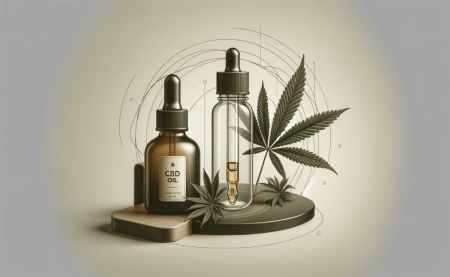
CBD oil is a product that is particularly popular with CBD users, whether they are newcomers or seasoned enthusiasts! Convenient, discreet and highly effective, this method of consumption offers numerous benefits that are very easy to enjoy, provided certain usage guidelines (dosage and method of consumption) are followed. Let’s take a closer look at the star product among cannabidiol enthusiasts!
Key takeaways:
- CBD oil, extracted from the hemp flower, contains beneficial terpenes and phytocannabinoids.
- There are full-spectrum, broad-spectrum and isolate CBD oils, each offering unique benefits.
- CBD oil can be taken sublingually, added to food, or applied to the skin.
- To preserve CBD oil, store it away from light and heat, and use it within 6 months.
What is CBD oil?
CBD oil is produced by extracting the hemp flower. It contains active compounds such as terpenes, phytocannabinoids and flavonoids, which contribute to the oil’s taste and smell. This is what distinguishes it from hemp oil, which is produced by cold-pressing the seeds of the cannabis plant.
Because the cannabidiol molecule is lipophilic – meaning it is able to bind with fats and mix easily with them – the extract used to make CBD oil can be blended with hemp oil, essential oils or olive oil to maximise its potential effects on the body.
>>See Sixty8’s range of CBD oils<<
The different types of CBD oils
There are different types of CBD oils. This is due to the existence of several methods for extracting the active compounds from cannabidiol. Because the hemp plant contains multiple cannabinoids, each extraction process yields a spectrum of molecules that is more or less broad. This is why it is possible to obtain full-spectrum, broad-spectrum CBD oil, or even CBD isolate.
Full-spectrum CBD oil
Full-spectrum CBD oil, also known as full-spectrum oil, contains all the phytocannabinoids found in the hemp plant. These include CBD, CBDV, CBG, CBC and even a very small amount of THC.
It also contains all the terpenes and flavonoids found in the hemp plant, allowing the user to benefit from the full range of effects commonly referred to as the ‘entourage effect’. It should be noted that the plant’s entourage effect can increase or regulate the effect of each component in a CBD oil. In other words, it enhances the potential effects of the molecules on the body.
>>Order your Sixty8 Full Spectrum CBD oil<<
Broad-spectrum CBD oil
Broad-spectrum CBD oil is characterised by an additional extraction step designed to completely remove tetrahydrocannabinol (THC) from the solution. Terpenes and flavonoids are preserved, as is the entourage effect. However, the latter remains more limited than in full-spectrum oil.
>>Order your Sixty8 Broad Spectrum CBD oil<<
CBD isolate
CBD isolate oil, also known as CBD isolate, is produced by isolating the CBD molecule through natural extraction or by synthesising a cannabinol molecule.
However, according to a scientific study published in the journal Pharmacology & Pharmacy, the potential therapeutic efficacy of the natural or synthetic isolate is only activated through a very precise dosage that is difficult to determine. This is referred to as the “bell curve” effect, which makes CBD isolate quite difficult to consume.
|
Good to know: some synthetic CBD isolates may be produced for recreational purposes and could be harmful to health. To ensure the quality of your CBD oil, always buy your products from specialist retailers authorised by the government. |
What are the potential benefits of CBD oil?
According to several scientific studies, CBD oil may have positive effects on the body. Here are some of the potential benefits of CBD oil currently being studied by science.
CBD oil and cardiovascular health
CBD oil is very rich in omega-3, 6 and 9. This is why it can be considered a valuable asset for looking after your cardiovascular health. This is notably what this scientific study conducted by Professor Delfin Rodriguez-Leyva and Dr Grant N Pierce.
Consuming CBD oil may also lower blood cholesterol levels and regulate blood pressure in people with hypertension. Furthermore, CBD oil also contains arginine: an amino acid widely recognised for its positive impact on the cardiovascular system.
The anti-inflammatory properties of CBD oil
According to a 2019 scientific study by Drs Mauricio dos-Santos-Pereira and Patrick Michel, CBD appears to possess significant anti-inflammatory properties. In oil form, it can help relieve certain skin inflammations, for example. Furthermore, CBD oil also appears to have some positive effects on menstrual-related inflammatory pain in women.
CBD oil in the prevention of cognitive disorders
A scientific study published by researchers MC Morris, LA Beckett, PA Scherr, LE Hebert, DA Bennett and TSle Field highlights the importance of vitamins E and C in the prevention of Alzheimer’s disease. However, CBD is rich in vitamin E. This is why CBD oil may prove to be a promising alternative for preventing the development of certain cognitive disorders.
CBD oil and the immune system
Vitamins A and E play a vital role in strengthening the immune system, particularly in the most vulnerable individuals. To combat winter viruses, consuming CBD oil appears to be a promising solution for boosting the immune system and thereby reducing the risk of contracting certain winter illnesses.
The benefits of CBD oil for combating skin problems
When used as a topical oil, CBD may also have a positive impact on certain symptoms associated with acne, eczema or psoriasis. Indeed, the potential anti-inflammatory and lipid-replenishing properties of CBD could effectively relieve flare-ups of eczema or acne. However, scientific studies are still ongoing to confirm the various hypotheses put forward on this subject.
|
Good to know: CBD oil is not a medicine and should under no circumstances be used as a substitute for treatment prescribed by a doctor. If you are undergoing medical treatment, we strongly recommend that you consult your doctor before starting to use CBD oil. |
>>Find out more about the effects of CBD<<
What is the recommended dosage for CBD oil?
According to researchers Juliana Birnbaum and Leonardo Leinow, there are three dosage categories for CBD oil:
-
between 0.5 and 20 mg/day (depending on the user’s weight): this microdose may help alleviate certain sleep disorders and offer the possibility of restoring the body’s overall balance;
-
between 1 and 20 mg/day (depending on the user’s weight): this standard dosage could be useful for relieving certain symptoms associated with Crohn’s disease, anxiety or multiple sclerosis, for example;
-
between 20 and 800 mg/day (depending on the user’s weight): this high dose is often used to relieve certain symptoms associated with serious illnesses or intensive treatments, such as chemotherapy.
What are the different ways to consume CBD oil?
As you will have gathered, there are two different ways to consume CBD oil: by ingesting it or by applying it to the skin.
Sublingual CBD oils should be taken in the form of drops placed under the tongue. You simply need to let them take effect for a few minutes, then swallow them. This method of administration is popular with both regular and first-time users. Sublingual oils are known for allowing users to experience the potential effects of CBD almost instantly.
Edible oils can be used in certain culinary preparations, particularly when CBD oil is combined with olive oil, for example. CBD oil can also be consumed in yoghurt, on a sugar cube or in fruit juice. However, take care not to heat your CBD oil, so as not to risk altering the quality of the molecule.
This method of consumption does not allow you to benefit from the potential effects of cannabidiol immediately. You will need to wait for the digestion process to complete (approximately 3 hours) before feeling the potential effects of CBD on the body.
Finally, CBD oil can also be used for topical applications. Simply add a few drops to your cosmetics (shampoo, cream, etc.) or apply the oil directly to the area to be treated to enjoy the potential benefits of CBD on your skin!
How should you store your CBD oil?
To keep your CBD oil for as long as possible without compromising its quality, here are a few tips to follow.
CBD oil should be stored away from light and heat. It is also best to keep your bottles of oil in a place where the temperature ranges between 15 and 20°C.
Once you have opened your bottle, make sure to use it within 6 months. After this time, the active ingredients in CBD may degrade: the potential effects of cannabidiol will therefore be drastically reduced.
|
Good to know: keep your bottles of CBD oil out of reach of children and pets (there are products specifically designed for their use). |
We hope these tips on using CBD oil will help you make the most of its benefits. Make good use of them!