




Your cart is empty

Cannabis flower: Definition, anatomy, and quality recognition guide
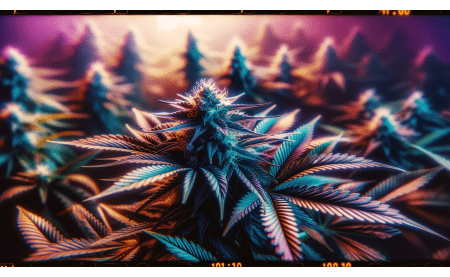
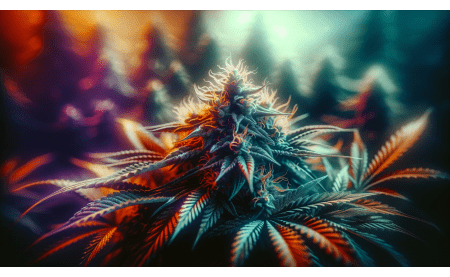
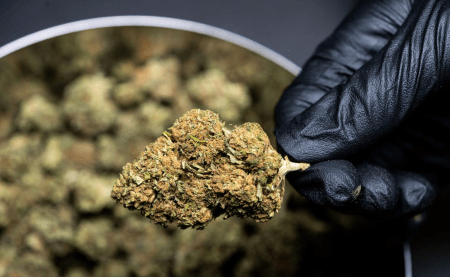
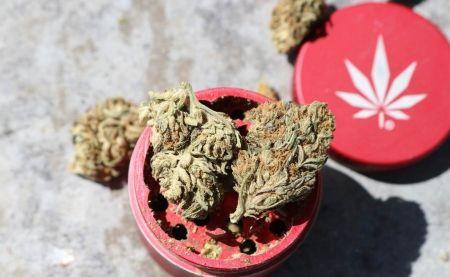
The cannabis flower (often called tête de beuh or cola in French) is the part of the cannabis plant most sought after by connoisseurs. This part of the plant concentrates the highest level of cannabinoids and terpenes, making it the benchmark flower, whether talking about Cannabis indica, Cannabis sativa, or a hybrid of both. It is generally contrasted with trim (the leaves) and small buds (the smaller, less dense side flowers). The good news is that this premium quality also exists as a CBD version, with a THC level compliant with European legislation. To go further, our article "What is cannabis?" lays the groundwork, and our cannabis names guide details all the vocabulary of the scene. If you are just discovering the world of smokeable plants, this comprehensive guide will also help you better understand what you are buying.
Anatomy of a Cannabis Plant
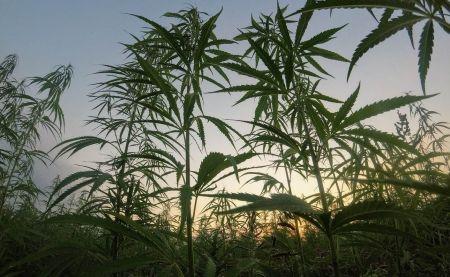
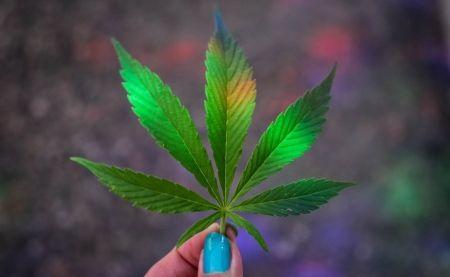
To fully understand what a flower is, you need to visualize the structure of a cannabis plant from top to bottom. Right at the top is the main cola, which is the main flower: it is the top of the plant, the most voluminous and resin-rich bloom. Directly below grow the secondary colas, slightly smaller side flowers that remain of excellent quality. Further down still, you find the small buds, those small flowers that develop on the inner branches, which are less exposed to light. Around these flowers, the sugar leaves are covered in trichomes and are notably used to produce trim. Finally, the fan leaves—the large, clearly visible leaves on the plant—contain very few trichomes and therefore have little value for consumption.

An image helps to better grasp this hierarchy: the cannabis flower is to the plant what the filet mignon is to beef. It is the same plant, but here we are talking about the noblest, most sought-after, and highest-quality part. This is particularly true for so-called "Cali" genetics, renowned for the density and quality of their flowers.
What is a Cannabis Flower Made Of?
A cannabis flower is not a homogeneous mass: its botanical structure directly explains its richness in cannabinoids. At the heart of each flower is the calyx, a small structure that houses the resin-producing glands. Emerging from this calyx are the pistils, fine threads that gradually become the stigmas visible to the naked eye, responsible for capturing pollen during pollination. On an unpollinated female plant, these stigmas multiply and give the flower its characteristic bushy appearance.
Around this structure, the plant develops a dense layer of trichomes—tiny, mushroom-shaped glands that produce cannabinoids (CBD, CBG, and traces of THC within the legal framework) as well as the terpenes responsible for the scent. The higher the trichome density, the richer in cannabinoids and more aromatic the flower will be. It is this composition that distinguishes a premium flower from an ordinary one: compact structure, numerous calyces, abundant trichomes, and a well-developed terpene profile.
An important vocabulary point: only female plants produce usable flowers. A male plant, or a hermaphrodite plant that develops organs of both sexes following stress, produces pollen and risks pollinating surrounding flowers. A pollinated flower develops seeds inside, which significantly reduces its quality and resin content. This is why professional growers use feminized seeds, which almost exclusively guarantee female plants and therefore quality flowers.
How to Grow High-Quality Cannabis Flowers?
The quality of a flower starts right at the cultivation stage. Several techniques make it possible to obtain larger, denser, and trichome-rich flowers.
The flowering phase is crucial: this is when the plant concentrates its energy on flower development rather than leaf growth. A good grower adjusts the photoperiod (duration of light exposure) to trigger and support this phase, while providing adapted nutrients: more phosphorus and potassium, less nitrogen than during the growth phase.
Pruning techniques also play a central role. LST (low stress training) involves gently bending the branches to distribute light across the entire plant, which favors the development of multiple colas rather than a single dominant flower. Other growers practice defoliation, which consists of removing certain fan leaves to improve air circulation and light exposure for the lower flowers.
The growing environment matters just as much as technique: stable temperature, controlled humidity levels, and adapted lighting are the three pillars of a successful harvest. Excessive humidity during flowering favors mold development, while a lack of light results in airy, low-density flowers. Finally, the harvest time must be chosen with precision—by observing the color of the stigmas and the transparency of the trichomes under magnification—to harvest the buds at the peak of their maturity.
How to Avoid Airy Flowers?
An airy flower is one that has grown without forming a compact structure: it remains light, low in density, and feels hollow to the touch. This cultivation flaw has several possible causes, and it is helpful to know them to better understand why some flowers are more qualitative than others.
A lack of light during the flowering phase is the most frequent cause: without sufficient light intensity, the plant cannot develop a dense floral structure. Excessive humidity in the growing environment can also slow down calyx formation and favor lengthwise growth rather than density. A deficit in essential nutrients, particularly phosphorus during flowering, deprives the plant of the resources necessary to form compact flowers. Finally, certain genetics are naturally more prone to airy flowers than others, notably certain sativa varieties with very stretched growth.
To avoid this flaw, professional growers closely monitor temperature, humidity, and light throughout the flowering phase, and use pruning techniques to concentrate the plant's energy on a limited number of colas. It is this rigor that makes it possible to obtain the dense, trichome-rich flowers found in premium ranges.
Which Varieties Produce the Most Beautiful Flowers?
Not all cannabis genetics produce identical flowers. Indica varieties, historically originating from mountainous regions, generally develop short, very dense, and compact flowers with high resin production. Conversely, sativa varieties, originating from warmer regions, produce longer, airier flowers spread across plants that can reach a significant size. Hybrids, which are now largely in the majority on the market, combine the characteristics of both families to offer a compromise between density and yield.
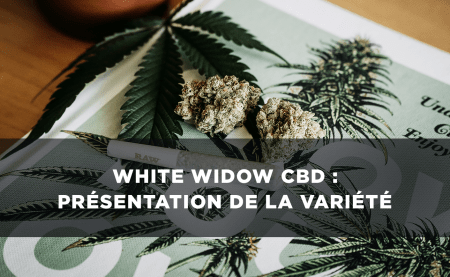
Certain genetics are particularly renowned in the community for the quality of their flowers, such as varieties like White Widow—known for its heavily trichome-covered flowers—or selections worked on by specialized seed companies like Royal Queen Seeds. These genetics often serve as a benchmark for evaluating the quality of a CBD flower by comparing density, trichome coverage, and aromatic profile.
What Effects Are Expected from a Cannabis Flower?
The effects felt upon consumption depend directly on the level of cannabinoids present in the flower, particularly the ratio between CBD and CBG on one hand, and the THC level on the other. On legal cannabis flowers, the THC level is regulated and remains very low, which rules out any psychotropic effect sought in classic recreational cannabis consumption. In contrast, CBD and CBG, present in much larger quantities in a quality CBD flower, are associated with a sensation of relaxation and well-being without altering faculties.
The terpene profile also strongly influences the experience: some more earthy or spicy aromatic profiles are associated with soothing sensations, while more citrusy or fruity profiles are often perceived as more tonic. It is the combination of cannabinoids and terpenes, unique to each genetics, that defines the overall experience of a cannabis flower.
Flower vs. Small Buds vs. Trim: Comparison Table
These three elements all come from the same plant, but their qualities and uses differ markedly. The table below summarizes the main differences to know before making a purchase.
| Criterion | Flower (Cola) | Small Buds | Trim (Leaves) |
| Definition | Main flower of the plant | Small side flowers | Sugar leaves + small tips |
| Cannabinoid Concentration | Maximum | 5–15% lower than the flower | Low |
| Trichome Density | Very high | Medium to high | Low |
| Aromatic Profile | Very rich and complex | Good, close to the flower | Light, herbal |
| Average Price (CBD) | 6–12 €/g | 3–6 €/g | 1–3 €/g |
| Best Use | Vaporization, premium joint | Daily use, great value for money | Infusion, culinary, extraction |
| Available at Sixty8 | Yes: premium, hydro, cali, cup | Yes: CBD small buds | No |
In summary, the flower remains the reference choice for a complete aromatic experience, while small buds offer an excellent quality-price compromise for regular consumption. Discover our powerful CBD flowers or directly explore our premium products to compare ranges. Our selection of powerful CBD puffs might also interest you if you are looking for a flower-free alternative.
How to Recognize a Good CBD Cannabis Flower?
The quality criteria are exactly the same in CBD as in THC—only the cannabinoid level changes. Here are the points to check before any purchase:
| Criterion | Good Flower | Bad Flower |
| Color | Dense green, purple, or orange depending on genetics. Visible white trichomes. | Yellow, brown, or gray. Missing or reddish trichomes. |
| Scent | Powerful, complex, recognizable as soon as opened. | Bland, dry grass, or moisture smell. |
| Texture | Firm with a slight bounce. Not crumbly. | Too dry (crumbles) or too moist (mold). |
| Trichomes | White or milky layer visible to the naked eye. | Missing, red, or brown. |
| Density | Heavy for its size, compact. | Loose, airy, or signs of stress. |
| Trim | Clean, few residual sugar leaves. | Long stems, uncut leaves. |
| Combustion | Slow, white/gray ash, steady smoke. | Crackles, black ash. |
These indicators make it possible to spot a well-grown and properly dried flower in a few seconds—a guarantee of an aromatic experience faithful to the genetic profile of the plant. Drying is moreover a step just as important as cultivation itself: drying too quickly results in a dry and brittle flower, while drying too slowly in an overly humid environment exposes the flower to mold.
How to Use the CBD Contained in Cannabis Flowers?
Once the flower is selected, several modes of consumption allow you to enjoy the cannabinoids it contains. Vaporization is recommended today by many connoisseurs: it heats the flower to a temperature sufficient to release cannabinoids and terpenes without combustion, which better preserves the aromatic profile and avoids inhaling combustion residues. Infusion (tea) is a gentle alternative, particularly for flowers richer in CBG, although cannabinoids dissolve better in fats than in water alone.
Regarding dosage, there is no universal amount: sensitivity varies by person, the cannabinoid level of the flower, and the chosen mode of consumption. The general rule remains starting with small amounts and observing the effects before gradually increasing, rather than relying on a fixed dosage. For additional information on the daily uses of CBD, our blog offers several practical guides accessible from the homepage of our site.
Where to Buy CBD Flower Heads in Europe?
Sixty8 offers three lines of premium CBD flower heads, each with its own specificities in terms of cultivation and aromatic profile. Californian CBD flowers appeal with their intense aromas derived from Cali genetics. Hydroponic CBD flowers rely on precise cultivation for maximum aromatic purity. Finally, the Cannabis Cup CBD selection brings together award-winning genetics, designed for the most demanding connoisseurs. Also find our entire catalog on the CBD flowers page, with laboratory analyses available for each reference, and fast and discreet delivery for every order.
Frequently Asked Questions (FAQ)
Is a main flower (cola) always stronger than a small bud?
As a general rule, yes: the gap is between 5% and 15% depending on genetics and growing conditions. In CBD, this translates to more intense aromas and a higher CBD level on the flower compared to the small bud.
How to store a CBD cannabis flower?
The best way is an airtight glass jar, protected from light and heat, stored between 15 and 21 degrees Celsius. Plastic should be avoided because it alters aromas and promotes moisture. For more details, consult our guide on storing CBD flowers.
How to grow cannabis flowers at home?
This requires mastering the flowering phase, lighting, nutrient supply, and humidity levels. Pruning techniques like LST make it possible to obtain several dense flowers rather than a single dominant cola, provided strict legal frameworks are respected depending on the type of seeds used.
What are the effects of a CBD cannabis flower?
A legal CBD flower, with a very low THC level, has no psychotropic effect. It is rather associated with a feeling of relaxation, linked to the action of CBD and CBG, and a rich aromatic profile provided by terpenes.
Where to buy CBD flower heads legally?
At Sixty8, where laboratory analyses are available for each product, guaranteeing traceability and legal compliance. Discover all our Sixty8 CBD flowers.











































































Leave a Reply Cancel Reply