

Your cart is empty

Which form of CBD should you choose for your first experience?
Oils, flowers, resin, e-liquids… There are so many ways to consume CBD! However, some of these methods are better suited to certain situations than others. In this article, we’ll share all our tips to help you choose the right CBD for your situation, needs and expectations!
Key takeaways:
- Your choice of CBD depends on your needs: oils, capsules, flowers, e-liquids, herbal teas or cosmetics.
- For THC withdrawal, CBD e-liquids or flowers are recommended to ease the transition.
- Beginners can start with CBD oil or herbal teas for simple, easily measured consumption.
- To relieve certain symptoms, the dosage varies from micro to macro doses depending on the severity of the symptoms.
>>See all our Swiss CBD products in the shop<<
Different ways to consume CBD
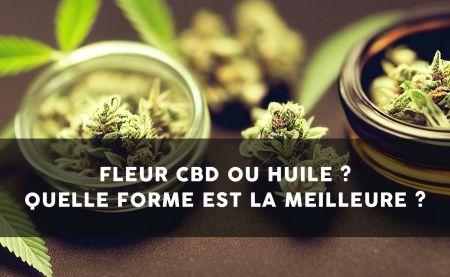
CBD, or cannabidiol, can be consumed in various ways. Here is a list of the most common forms:
-
- CBD capsules or softgels: these are classified as food supplements;
-
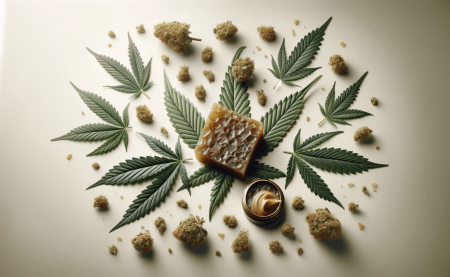
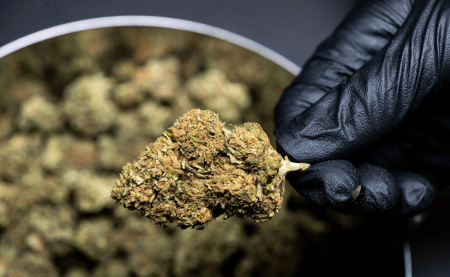
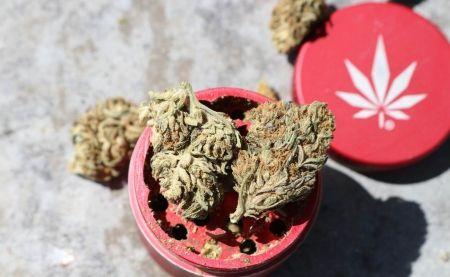
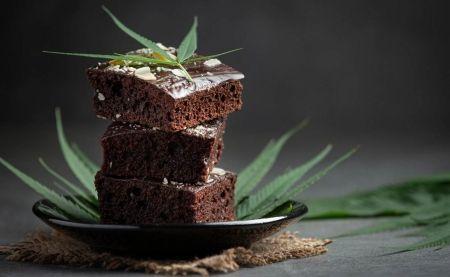
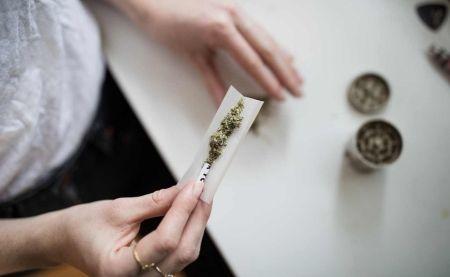
- CBD flowers: these can be smoked or used in cooking (Marrakech butter or CBD cake, for example);
-
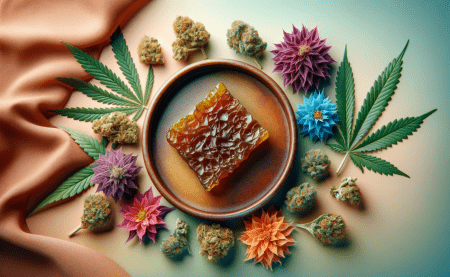
- CBD resin: it can be used in cooking or smoked;
-
- e-liquid: this must be used with an e-cigarette;
-
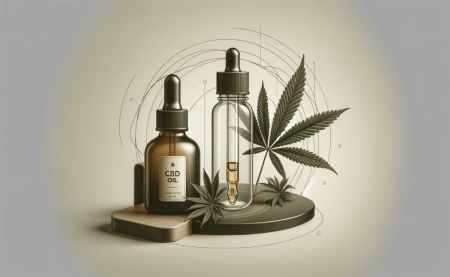
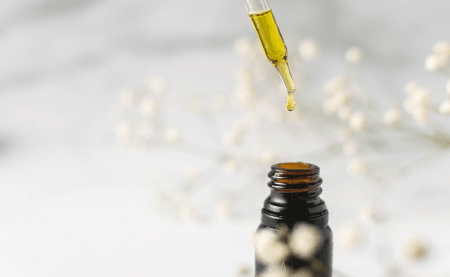
- CBD oil: this type of oil is taken in the form of drops placed under the tongue;
To help you choose the consumption method best suited to your needs, we have outlined which CBD to choose depending on different scenarios. We invite you to discover this right now, in the rest of this article.
Which CBD should you choose when coming off THC?
Let’s recap: THC is the psychoactive compound in cannabis. It is classified as a narcotic and its consumption is prohibited in France. Although CBD and THC are both substances derived from the hemp plant, they do not have the same molecular structure at all. This major difference means that the effects of CBD are very different from those of THC.
|
Did you know? According to a scientific study conducted by researchers Mélissa Prud’homme, Romulus Cata and Didier Jutras-Aswad, CBD may also possess anti-addictive properties that are particularly useful in the context of THC withdrawal. Consuming CBD to facilitate this transition can therefore prove very beneficial for a former THC user. |
When giving up cannabis, we recommend opting for a CBD e-liquid, which you can use with a vape. If you wish to continue smoking, you can also replace your cannabis with CBD flowers, to make a gradual transition and retain the ritual of rolling your cigarette.
Sublingual oils can also prove to be an ideal compromise when giving up THC. Indeed, their high concentration of CBD could allow you to benefit from the molecule’s potential relaxing effects quickly and for a prolonged period.
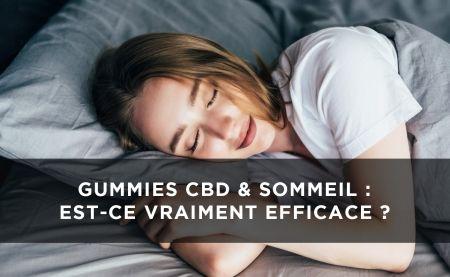
Finally, if you are prone to certain side effects caused by cannabis withdrawal, such as sleep disorders (insomnia), do not hesitate to prepare a CBD infusion, which you can drink before going to bed to promote restful sleep.
Which CBD should you choose to try for the first time?
Have you never used CBD before and would like to give it a try? When you don’t know much about the world of cannabis, it can sometimes be difficult to choose the method of consumption best suited to your expectations and needs. To help you make the best possible choice, here are a few sound tips.
To start with, we suggest you opt for CBD oil and/or CBD-based herbal teas. Oils are relatively easy to measure out and take. To achieve effective results, however, we recommend you follow a few basic guidelines:
-
- depending on your general condition, you can choose to use your oil up to three times a day (morning, midday and evening);
-
- always start with one drop per dose for a week. If you do not feel any effect, you can gradually increase the daily dose until you reach a satisfactory balance;
-
- place the drops directly under your tongue. Keep them in your mouth for a few minutes, then swallow them.
|
Good to know: the CBD content per milligram can vary from one oil to another. Be sure to check the label before making your choice: the higher the content, the fewer drops you’ll need to take to feel the effects! |
Finally, if you have never tried CBD before, herbal teas can also be a good way to start. You can find CBD herbal teas on the market that are combined with other plants, such as chamomile, for example.
|
A handy tip: when steeping your CBD herbal tea, don’t forget to add a small amount of fat (butter or coconut oil) to your mixture to help the CBD molecules bind to your body’s receptors! |
Which CBD should you choose to relieve certain symptoms?
According to several scientific studies, CBD may help relieve certain symptoms associated with medical conditions. Its anti-inflammatory properties (scientific study from 2019, conducted by Dr Mauricio dos-Santos-Pereira and Dr Patrick Michel, researchers at the Brain Institute) and analgesic properties (study conducted in 2019) could also help alleviate certain disorders caused by heavy medication regimens.
-
- between 0.5 and 20 mg/day (depending on your weight): this microdose could help relieve certain sleep disorders and restore the body’s overall balance;
-
- between 1 and 20 mg/day (depending on your weight): this standard dose may be recommended to relieve certain symptoms associated with, amongst other conditions, Crohn’s disease, anxiety or multiple sclerosis;
-
- between 20 and 800 mg/day (depending on your weight): this high dose is generally intended to relieve symptoms associated with serious illnesses or heavy drug treatments (chemotherapy, etc.).
|
Warning: the use of CBD alongside medical treatment should be discussed with a doctor. CBD must under no circumstances be used as a substitute for medication and should be used sparingly in certain circumstances (in cases of haemophilia, for example). If you have a medical history or suffer from any condition, please do not hesitate to contact your doctor before starting to use CBD. |
You now know which CBD to choose based on your profile. We hope you find this information useful!
To find out more about cannabis withdrawal, we recommend reading our other articles on the subject:
- How can CBD help you stop using THC as part of cannabis withdrawal?
- Cannabis withdrawal and sleep: how can you sleep well when you stop using THC?
- What are the symptoms of cannabis withdrawal?
- Cannabis withdrawal: how long does it take to break free from THC dependence?