

Your cart is empty

THCP: A new molecule with powerful effects
CBG9, THCP, THCJD, H4CBD, HHCP and HHCPO are now banned in France. Discover CBD as an alternative!
Whilst HHC and its derivatives have been banned by the ANSM on 12 June 2023, many consumers are still looking for an alternative.
Among the new cannabinoids appearing on the market, THCP (tetrahydrocannabiphorol) is emerging as the leading replacement for HHC. Its recent rise to prominence has certainly piqued the interest of connoisseurs seeking to experience sensations similar to those they felt with HHC, entirely legally.
THCP, this new molecule, possesses numerous properties that we reveal in this article!
What is THCP?
THCP is a phytocannabinoid
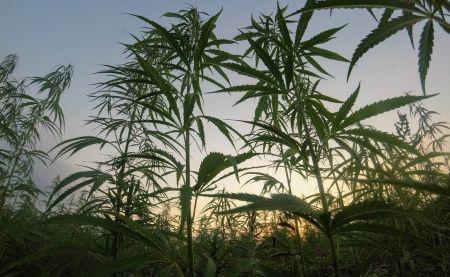
Tetrahydrocannabiphorol (THCP), like cannabidiol, is a phytocannabinoid. A phytocannabinoid is a substance capable of binding to our endocannabinoid system, or at least interacting with it, which occurs naturally in plants. In this case, THCP develops in the hemp plant during flowering.
Unlike CBD, this cannabinoid is produced only in small quantities in cannabis plants. It remains in low concentrations at harvest. THCP, however, is extremely potent in terms of its effects. The nature of its interaction with our endocannabinoid system (which manages vital functions such as stress, appetite, pain and inflammation) makes it highly effective, even potent.
A little-known molecule
Tetrahydrocannabiphorol is not as well known as cannabidiol. The reason is simple: its existence was unknown until 2019. It was, in fact, discovered by chance by Italian researchers whilst they were working on the development of a therapeutic cannabis strain.
This is why so little is known about the THCP molecule. Its recent discovery means we must be patient.
The THCP molecule: what we know
Just because the discovery is recent does not mean we know nothing about tetrahydrocannabiphorol. The THCP molecule is unique. It is similar to THC, but, just like THCV, does not produce the same effects! A variation means a completely different molecule. THC and THCP are not the same due to the molecule’s side chain: alkyl in the case of THCP and pentyl in the case of THC.
In molecular chemistry, a small difference changes absolutely everything. They are not the same molecule!
What are the effects of THCP?
THCP, a compelling molecule
The THCP molecule stands out from THCV, CBD and all other cannabinoids due to its potency. Indeed, tetrahydrocannabiphorol is in a league of its own! It is capable of interacting very deeply with our endocannabinoid system, particularly with the CB1 and CB2 receptors. To be more precise, it is an ‘agonist’ (unlike THCV, which acts more as an ‘inverse agonist’), meaning it is able to bind to our receptors in the same way our natural endocannabinoids (produced by the body) would.
Its effects are therefore potent and immediate.
The effects of THCP
The full range of tetrahydrocannabiphorol’s effects is still under investigation. This is why great caution is advised with this cannabinoid, which may surprise many. Given THCP’s interaction with our cannabinoid receptors, we can already assume an impact on:
- Stress and anxiety
- Mood
- Pain and inflammation
- Sleep
- Appetite
It is said to be an unrivalled relaxant but also a stimulant of creativity. It must always be consumed with great caution!
Are there any recommendations?
THCP is a relatively new cannabinoid about which little is yet known. Caution and prudence are therefore essential! This cannabinoid should always be approached sensibly.
Potential side effects of THCP
Like most cannabinoids, tetrahydrocannabiphorol can cause side effects. These include drowsiness, anxiety, loss of concentration, confusion, dry mouth, and irritation of the eyes and throat.
Due to its potency, this cannabinoid is not recommended for beginners. Find out more about the compound before consuming it.
Recommendations
Can you do anything after consuming THCP? The law says nothing on the matter, but that doesn’t mean you should do whatever you like! Tetrahydrocannabiphorol, as we mentioned, appears to cause a certain degree of loss of concentration. That is why you should always follow certain rules, such as not driving, not operating dangerous machinery and not supervising children after consuming THCP.
Furthermore, research has not yet determined the potential adverse effects when taking medication. It can be assumed that, like CBD, THCP could cause a drug interaction. Protect your liver and steer clear if you are taking medication!
THCP is not a medicine and is not a substitute for treatment. Please seek advice from your doctor.
Is the THCP molecule legal?
A legitimate question regarding the legality of the cannabinoid THCP! Fortunately, tetrahydrocannabiphorol is indeed legal! This molecule is not included on the EU’s ‘green list’ of controlled substances.
In France, the tetrahydrocannabiphorol molecule is not prohibited either. Therefore, as long as your THCP purchases only involve products containing less than 0.3% THC (which is itself illegal), this is entirely legal. Always remember to check local laws when making purchases outside French and European borders.
Exercise caution, however, when driving, as certain rulings by the Court of Cassation suggest a zero-tolerance policy for driving under the influence.
Where can you buy THCP?
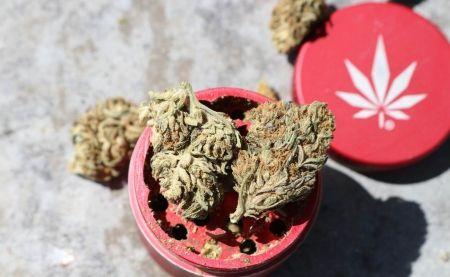
Tetrahydrocannabiphorol is too new to be found at your local tobacconist’s! Most of the time, THCP is purchased online. To choose your THCP flowers or resins wisely, it is essential to check the transparency of your online shop. Products must contain less than 0.3% THC to be legal.
At Sixty8, we offer a wide range of THCP flowers and resins. Our products are 100% legal and comply with current legislation.
See also
- THCV: what do scientific studies say?