

Your cart is empty

CBD in Switzerland: legality, THC levels and use
Cannabidiol, or CBD, is a cannabinoid found naturally in the hemp plant. Unlike THC, this chemical compound is not psychoactive. Today, CBD is becoming extremely popular for its relaxing, anti-anxiety, anti-inflammatory and pain-relieving properties. It is found in many products, from cosmetics to food.
Key points:
- In Switzerland, CBD is legal provided it contains less than 1% THC.
- Medical cannabis, prescribed by a doctor, has been authorised since August 2022.
- CBD is used for its therapeutic properties, without being classified as a medicine.
- Swiss CBD complies with French standards when delivered to France (less than 0.2% THC).
Among the European countries pioneering the sale of CBD, Switzerland is one of the most significant. Every day, Swiss producers deliver significant quantities of cannabidiol to France, particularly via CBD delivery websites. This naturally raises the question of CBD legislation in Switzerland and its implications for French consumption. Can French people buy Swiss CBD?
Here’s a brief overview of the current regulations!
The THC content in CBD in Switzerland: what are the legal limits?
THC content below 1% in Switzerland
At a time when CBD is becoming increasingly mainstream – a widespread phenomenon affecting every country in Europe – the question of its legality is at the heart of all debates. Cannabidiol has long suffered from the image of tetrahydrocannabinol (THC), the psychoactive compound in cannabis. However, Swiss and European CBD producers have long since found ways to reduce this THC content. CBD derivatives and flowers are currently sold with no THC or only trace amounts, which prevent any psychoactive effects.
In Switzerland, the THC content in CBD must be below 1% to be legal. This limit is strictly enforced by the Swiss authorities to ensure that products containing CBD do not cause any psychoactive effects.
Swiss CBD: a medical option?
Since August 2022, the ban on medical cannabis has been lifted in Switzerland. This means that currently, in Switzerland, a doctor can prescribe CBD to treat chronic conditions (pain, spasticity, etc.). This type of legal Swiss cannabis may, in some cases, have a higher THC concentration than products sold on Swiss CBD websites that deliver to France (or Switzerland). It goes without saying that this legal cannabis is subject to strict controls and requires specific authorisations. To consume it, a doctor’s prescription is essential. These products are therefore not available over the counter.
In addition to this recent development in the field of medical cannabis in Switzerland, it is important to emphasise that over-the-counter products containing CBD are not medicines and are not subject to the same quality and efficacy controls as medicines. This means that consumers must exercise caution when purchasing cannabidiol products, in particular by checking the THC content stated on the label.
Use of CBD in Switzerland
CBD is becoming increasingly popular in Switzerland for its therapeutic properties. It is often used to relieve chronic pain, anxiety and sleep disorders, amongst other conditions. The therapeutic use of cannabidiol requires the advice of a qualified doctor.
The benefits of cannabidiol for the body have led Swiss CBD producers to develop a wide range of products, which have helped to consolidate the molecule’s popularity in Switzerland and across Europe. CBD is mainly used for:
- Relaxing in everyday life.
- Relieving chronic pain.
- Reducing feelings of stress.
- Promoting sleep.
- Soothing inflammation.
- Protecting and strengthening the skin.
To meet these various needs, there is a wide variety of CBD products available, such as:
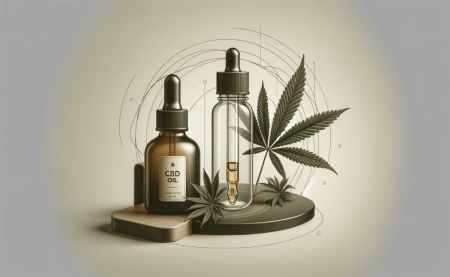
- CBD oils, made with pure cannabidiol and edible MCT oil.
- Hemp oils, extracted directly from pressed Swiss CBD seeds.
- Capsules, micro-dosed capsules containing cannabidiol.
- Cosmetics, creams, oils, treatments and serums for skin and hair.
- Food products, such as herbal teas and sweets.
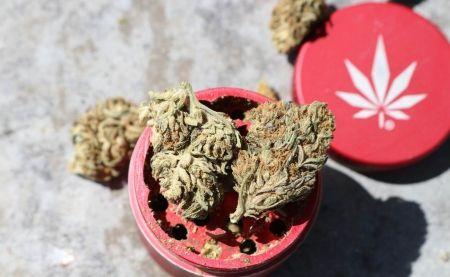
- CBD flowers, renowned for their potency.
- Swiss CBD resins, potent and flavourful.
- E-liquids, designed for vapers!
The Swiss are now Europe’s leading experts in cannabidiol production. These CBD products contain no more than 1% CBD, which is the legal limit in Switzerland. But what about French buyers? Are they allowed to consume Swiss CBD?
Is Swiss CBD legal in France?
Swiss cannabidiol has become so popular that there are now a multitude of Swiss CBD websites delivering to France. It is a legitimate question to ask whether the delivery of Swiss CBD is legal in France.
French law: is CBD legal?
As in Switzerland, CBD is legal in France. However, French law is much stricter than Swiss legislation. As recently as December 2021, CBD flowers were suddenly banned, before being authorised again in January 2022.
The most striking difference with Switzerland is undoubtedly the permitted THC level in France. French legislation, which aligns with European law, does not permit a THC level exceeding 0.2%. This means that any product exceeding this limit is considered a narcotic.
Furthermore, as with Swiss regulations, it is prohibited to promote CBD as a recreational product, and it must never be equated with a medicine.
Buying Swiss CBD in France
Buying Swiss CBD in France raises questions, as the legal THC limit differs between the two countries. Many people wonder about the legality of deliveries to France from Swiss CBD websites. Don’t panic! Cannabidiol producers adapt their products to the legislation in force in the countries they deliver to. This means that if you buy cannabidiol from Sixty8, it will have a THC content that complies with French regulations (namely less than 0.2% THC).
However, you must remain vigilant and always choose reliable Swiss CBD websites to avoid the risk of customs confiscation upon delivery to France.
Also read on the blog:
- How to choose the best CBD from Switzerland?
- The different types of CBD products available in Switzerland
- Why is Swiss CBD renowned for its high quality?
- CBD in Switzerland: buying/selling, cultivation and legislation