

Your cart is empty

CBD: drug or not?
Key points:
- CBD is not a drug and is legal provided its THC concentration does not exceed 0.2%.
- CBD is not a drug. It is social perception that has given it this image.
- CBD does not have the effects of a drug. It is non-psychoactive and does not cause addiction.
In the current debate on wellbeing and natural alternatives to traditional medicines, CBD (cannabidiol) occupies a prominent place, arousing both curiosity and controversy. Derived from the cannabis plant, this non-psychoactive compound is distinctly different from THC, the substance responsible for the psychotropic effects associated with the drug. Despite this clear distinction, the term ‘CBD drug’ frequently crops up in discussions, causing confusion regarding the true nature of CBD and its legal and social standing.
Is it fair to classify CBD, with its many proven and potential therapeutic applications, in the same category as conventional drugs known for their addictive potential and harmful effects on health? This article aims to untangle the threads of this complex issue by exploring the legislative aspects, health benefits and social perceptions surrounding CBD. By delving into the world of CBD, we seek to enlighten the reader on the scientific and regulatory reality of this often misunderstood substance, whilst opening up the debate on its place in our society: no, CBD is not a drug!
Distinction between legal, illegal drugs and CBD
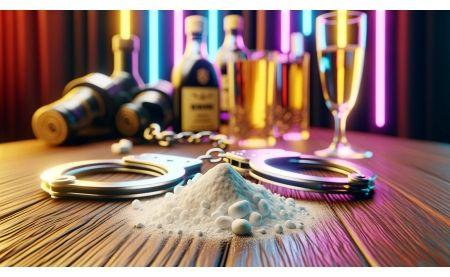
In the debate on psychoactive substances, it is essential to distinguish between legal drugs, such as alcohol, illegal drugs, such as THC (tetrahydrocannabinol), and compounds such as CBD (cannabidiol), which do not easily fit into these traditional categories. This distinction helps to understand CBD’s unique position within the spectrum of substances consumed by humans and to dispel the misconceptions surrounding it.
Legal drugs: the example of alcohol
Legal drugs are substances whose sale and consumption are permitted by law, although they may be subject to regulation. Alcohol is the most common example of a legal drug. Despite its legality, alcohol is responsible for numerous public health problems, including addiction, liver disease, and an increased risk of accidents and violence. The legality of alcohol is historically and culturally entrenched in many societies, but it is also a source of debate due to its harmful effects on health and society.
Illegal drugs: the case of THC
In contrast, illegal drugs are substances whose production, sale and consumption are prohibited by law. THC, the main psychoactive component of cannabis, is classified as an illegal drug in many countries. The consumption of THC can induce psychoactive effects, such as euphoria and altered perception, but it can also lead to undesirable side effects and contribute to mental health problems in some users. The classification of THC as an illegal drug is primarily due to these psychoactive effects and its potential for abuse.
CBD: a category of its own
CBD, on the other hand, occupies a unique position. Unlike THC, CBD has no significant psychoactive effects, meaning it does not produce a ‘high’ or euphoria. Furthermore, research suggests that CBD may offer several health benefits, including anti-inflammatory, anxiolytic and antipsychotic effects. Due to its safety profile and therapeutic potential, CBD is legal in many countries, although often subject to certain conditions, such as a THC content below a specific threshold.
Distinguishing between legal, illegal drugs and CBD is crucial for a nuanced understanding of these substances and their impact on individuals and society. Whilst alcohol, a legal drug, is widely accepted despite its proven health risks, THC remains illegal in many contexts due to its psychoactive effects. CBD, however, stands out due to its lack of intoxicating effects and its potential health benefits, which justify its separate classification and growing acceptance as a therapeutic component rather than as a ‘drug’ in the traditional sense of the term.
‘CBD is a drug!’ A matter of social perception?
CBD & drugs in the eyes of the law
Legislation concerning CBD is a veritable maze, varying considerably from one country to another, and even from one region to another within the same country. This legislative diversity reflects the ambiguity surrounding the classification of CBD: is it a drug or a food supplement? In some jurisdictions, the conflation of CBD and drugs persists, strongly influencing regulation. For example, whilst many European countries have adopted a relatively liberal approach, authorising the sale of CBD-based products with a THC content below a certain threshold, others, such as France, have seen intense legal debates over the legal status of these products.
A drug in the eyes of society
This legislative disparity often reflects society’s perception of CBD. CBD as a drug carries a negative connotation, wrongly evoking images of addiction and abuse associated with traditional drugs. This perception is exacerbated by the general public’s lack of understanding of the fundamental differences between CBD and THC, the former being non-psychoactive and the latter responsible for the ‘high’ and addictive effects of cannabis. This confusion contributes to the stigmatisation of CBD, despite its proven benefits and potential.
Impact of social perception
The impact of legislation and social perception on the classification of CBD as a drug is considerable. On the one hand, restrictive laws based on a mistaken equating of CBD with a drug can hinder research and access to alternative treatments for patients. On the other hand, social stigma can deter people from considering CBD as a viable option for their wellbeing, for fear of judgement or legal consequences.
To navigate this complex landscape, it is crucial to stay informed and engage in the conversation about CBD. By debunking misconceptions and highlighting the distinction between ‘CBD as a drug’ and ‘CBD for wellbeing’, we can hope to see a shift in attitudes and legislation, thereby reflecting the scientific reality and potential benefits of this substance. The key lies in education and communication, which can dispel misunderstandings and help people recognise CBD for what it really is: not a drug, but a molecule with multiple benefits.
The effects of CBD: the same as those of a drug?
The exploration of CBD’s effects on human health has opened a new chapter in medical research, revealing therapeutic potential that often transcends the traditional boundaries of medicine. Contrary to the negative image conveyed by the association between CBD and drugs, scientific studies highlight the beneficial properties of CBD, without the psychoactive effects associated with THC, its more famous cousin derived from the cannabis plant.
Potential benefits of CBD
Research into CBD has revealed an impressive range of potential health benefits. Among these, CBD’s anxiolytic effect is particularly promising, offering a natural alternative to traditional medications for the treatment of anxiety and stress-related disorders. Furthermore, CBD has demonstrated anti-inflammatory and analgesic properties, suggesting its usefulness in the treatment of chronic pain – a boon for those seeking alternatives to opioids, with their potential for addiction and side effects.
Comparison with conventional drugs
Unlike conventional drugs, which can lead to dependence, toxicity and a host of harmful side effects, CBD stands out for its relatively high safety profile. It is not addictive, positioning it as an attractive alternative to psychoactive substances or medicines with a potential for abuse. This distinction is crucial in the CBD/drug debate, highlighting the need to differentiate CBD from substances classified as drugs due to their psychoactive effects and potential for harm.
Testimonials and case studies
Testimonials from CBD users abound, with many reporting a significant improvement in their quality of life thanks to its use. Whether for managing anxiety, pain, sleep disorders or even more severe conditions such as certain forms of epilepsy, personal accounts add a human dimension to the scientific data, illustrating the positive impact of CBD on health. These stories, combined with the results of clinical studies, offer a rich and nuanced perspective, far removed from the simplistic association of CBD as a drug.
No, CBD is not a drug!
CBD’s trajectory within the health and wellness industry demonstrates its gradual distancing from the unjustified label of a drug. This final section aims not only to definitively debunk the myth, but also to highlight its growing integration into our daily lives as a beneficial and regulated substance.
CBD in industry and consumption
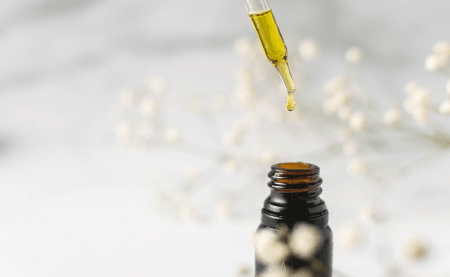
The CBD industry has experienced rapid expansion, diversifying its offerings far beyond oils and capsules. Today, the market is brimming with innovative products, ranging from cosmetics to dietary supplements and targeted therapeutic solutions. This diversification reflects not only the growing acceptance of CBD by the general public but also its recognition as a compound with multiple beneficial applications for health and well-being.
Responsible use and regulation
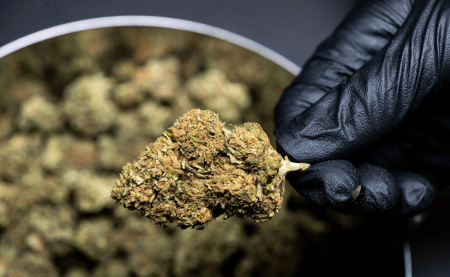
The growing adoption of CBD across various sectors highlights the importance of responsible use and appropriate regulation. Health authorities in many countries are working to establish regulatory frameworks that guarantee the safety and quality of CBD-based products, whilst facilitating access for those who can benefit from its properties. This regulatory approach is crucial to dispel fears linked to the association of CBD with drugs and to promote a fairer and more informed perception of its true effects. In France and across Europe, CBD is defined as any product, flower or resin containing cannabidiol with less than 0.2% THC. Above this limit, CBD becomes cannabis: a drug.
The debate surrounding CBD and its classification as a drug finds a clear and definitive answer here: no, CBD is not a drug. Based on scientific evidence, user testimonials and positive regulatory developments, it is evident that CBD stands out for its non-psychoactive properties and potential health benefits. The time has come to recognise CBD for what it really is: a molecule with multiple virtues, capable of improving the quality of life for many people, without the risks associated with conventional drugs. By adopting an informed and nuanced approach, we can overcome prejudices and pave the way for the responsible and beneficial use of CBD in our society.