

Your cart is empty

Cannabis and CBD seeds: What’s the difference (legislation, cultivation, curing, etc.)?
Key points:
- Chemical and legal differences: Cannabis and CBD seeds differ mainly in their THC and CBD content, which affects their legal status and use. CBD seeds are often less regulated due to their low THC content, which does not produce psychoactive effects.
- Specific cultivation techniques: Cultivating these seeds requires tailored approaches to maximise the production of the desired cannabinoids. Methods include adjustments to lighting, nutrition, and harvest timing, which differ depending on whether the objective is THC or CBD production.
- Importance of curing: The curing process is essential for improving bud quality in terms of taste, smell, and potency. This process also helps reduce undesirable substances and preserve cannabinoids and terpenes.
- Knowledge and legal compliance: The cultivation and possession of cannabis and CBD seeds require a thorough understanding of local and international laws. Growers must navigate these regulations carefully to avoid serious legal risks.
The growing interest in cannabis and CBD seeds stems from their utility and potential across various sectors, such as medicine, relaxation and sustainable agriculture. These seeds, although similar in appearance, possess chemical properties and legal applications that differ significantly.
This article explores these differences in detail, offering an overview of the legal implications, cultivation methods and the curing process. Understanding these aspects is essential for anyone interested in growing or using these seeds within a legal and responsible framework.
What are the main differences between cannabis seeds and CBD seeds?
Cannabis and CBD seeds differ primarily in their chemical composition, particularly with regard to cannabinoids such as THC (tetrahydrocannabinol) and CBD (cannabidiol). Traditional cannabis seeds can produce plants with a high THC content, the psychoactive component known for its euphoric effects. Conversely, CBD seeds are selected and cultivated specifically to produce plants with a high concentration of CBD, which is not psychoactive but is valued for its therapeutic properties, without inducing a ‘high’.
This biological and chemical difference influences not only the use of plants grown from these seeds, but also their cultivation and legal status. For example, in many countries, the cultivation of plants with a high THC content is regulated or prohibited, whilst that of CBD-rich varieties may be legal, provided they contain less than 0.2% to 0.3% THC, depending on the jurisdiction.
Furthermore, the implications of these differences are not limited to personal or medical use; they also affect agricultural approaches, seed selection methods, and cultivation practices, with each type of seed requiring specific conditions and care to optimise the production of the desired cannabinoids.
Why does chemical composition affect usage and legality?
The chemical composition of cannabis seeds, particularly the presence of THC and CBD, plays a crucial role in their regulation and use. THC, being a psychoactive compound, is at the centre of legal concerns due to its perception-altering and potentially addictive effects. Consequently, cannabis legislation in many countries focuses on the THC content of plants. Plants derived from cannabis seeds with a high THC content are often subject to strict regulations, requiring special licences for their cultivation, distribution and use.
In contrast, CBD is recognised for its therapeutic benefits, without the psychoactive effects associated with THC. This has led to more flexible regulation in some countries, where plants with high CBD and low THC content can be grown and sold legally, often for medical purposes and sometimes even for general wellness applications. However, even for these varieties, legislation imposes strict limits on the permitted percentage of THC.
These differences in legal treatment reflect not only the divergent effects of the two cannabinoids, but also social and medical attitudes towards their use. Regulators continue to evaluate scientific research to adjust laws, which can vary considerably from region to region, reflecting a patchwork of policies that affect everything from cultivation to marketing.
How do cultivation methods differ for cannabis and CBD seeds?
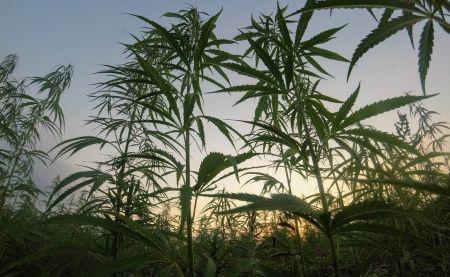
Growing cannabis and CBD seeds requires distinct approaches to optimise the production of the desired cannabinoids: THC for cannabis and CBD for CBD seeds. Although the basic techniques for growing cannabis may be similar, the specific objectives of each type of seed require adjustments in terms of growing conditions, plant handling, and harvest cycles.
- Growing conditions: Plants grown from CBD seeds are often cultivated under conditions that promote high CBD levels but low THC levels. This may involve specific adjustments to light, nutrients and humidity. For example, some growers use specific light spectra to encourage CBD production. In contrast, THC-rich strains may require different conditions to maximise THC production, such as more intense light cycles and prolonged periods of darkness prior to harvest to increase THC-containing resin.
- Plant management: Pruning and topping (cutting the tops of plants) are commonly used to maximise yield and cannabinoid quality. These techniques may vary depending on whether the aim is to maximise THC or CBD. For example, CBD plants may be pruned differently to optimise flowering and CBD production throughout the plant.
- Harvest cycle: The timing of the harvest can also vary considerably. Plants with high THC content are often harvested when they reach peak trichome production (the glands that produce THC), visible by the colour and condition of the trichomes. For CBD plants, the timing can be adjusted to ensure maximum CBD whilst keeping THC at a legal level.
The impact of the law on the possession and cultivation of cannabis and CBD seeds
Legislation plays a decisive role in how cannabis and CBD seeds are possessed and cultivated, with significant variations not only between countries but also within national borders. Understanding these laws is crucial for any grower or consumer wishing to remain within the law.
- International and national regulations: Most countries strictly regulate plants with high THC content due to their psychoactive effects. The cultivation, possession and sale of these seeds may require special licences and are often subject to severe restrictions. In contrast, CBD seeds are generally less regulated in jurisdictions that recognise CBD as non-psychoactive, thus allowing for freer cultivation and possession, provided that THC levels remain below a specified threshold.
- Regional variations: In countries such as the United States, the legality of cannabis and CBD seeds can vary from state to state. Some states have legalised cannabis for medical and recreational purposes, whilst others permit only CBD-based products or ban all forms of cannabis. This patchwork of regulations requires in-depth and constantly updated knowledge to avoid legal violations.
- Implications for growers and consumers: Growers must be particularly vigilant regarding the plant varieties they choose to grow, ensuring that their THC content does not exceed the legal threshold. The consequences of non-compliance can be severe, ranging from heavy fines to prison sentences, depending on local legislation.
- Legal trends: There is a global trend towards more flexible regulation of CBD, with many countries adjusting their laws to accommodate the medical and, in some cases, recreational use of CBD, recognising its benefits without the risks associated with THC.
This legal complexity profoundly influences all aspects of the possession and cultivation of cannabis and CBD seeds, requiring constant vigilance and legal knowledge on the part of those involved.
>>Discover our cultivation products<<
What are the legal risks associated with growing these seeds?
Growing cannabis and CBD seeds can expose growers to various legal risks, which are often serious depending on the jurisdiction. One of the major concerns is non-compliance with permitted THC levels. Even growers of CBD seeds, who legally aim to produce plants with low THC content, may find themselves in breach of the law if the plants accidentally exceed the legal THC threshold due to genetic variations or inadequate growing conditions.
Furthermore, growing without the appropriate licences, even in regions where cannabis is partially legalised, can result in penalties. These penalties vary widely, ranging from simple administrative fines to prison sentences, depending on the scale of the offence and the specific laws in each locality.
Growers must also be mindful of regulations concerning the export and import of seeds between regions or countries, as the transport of cannabis seeds may be illegal or require special permits. Ignoring these laws can lead to criminal charges, product seizures, and considerable financial losses.
These risks highlight the importance of staying informed about current laws and their enforcement, to ensure cultivation and use comply with current regulations.
The curing process for cannabis and CBD seeds: techniques and benefits
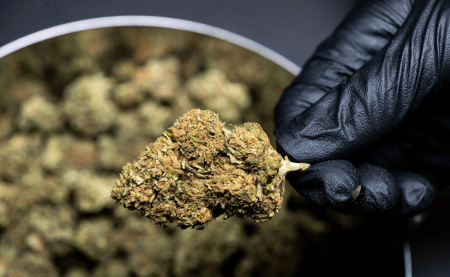
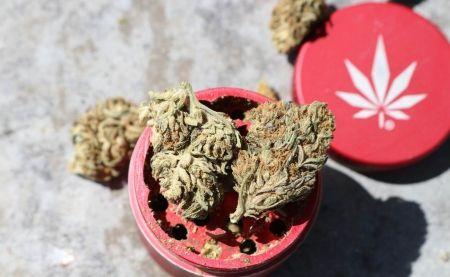
Curing, or the process of maturing cannabis buds after harvest, is a crucial step that significantly influences the quality and effects of the final products. This process breaks down chlorophyll and refines cannabinoids and terpenes, which can improve the taste, smell, and potency of the buds.
- Curing techniques: Traditionally, curing involves slowly drying the buds in a controlled environment to prevent mould and the degradation of cannabinoids. Once dry, the buds are placed in airtight containers, often glass jars, where they are stored at a controlled temperature and humidity. During this period, the jars are opened regularly to allow accumulated gases to escape and fresh air to enter, a process known as ‘burping’. This step is essential for developing an optimal cannabinoid and terpene profile and for reducing the harshness of the smoke.
- Benefits of curing: Properly executed curing can transform the cannabis consumption experience. For THC-rich cannabis, this can mean a smoother, more enjoyable and potentially more potent experience, as terpenes and cannabinoids are better preserved and undesirable substances such as chlorophyll are reduced. For CBD-rich cannabis, curing helps maintain the integrity of the cannabinoids, which is vital for maximising therapeutic effects without generating unwanted psychoactive effects.
These curing techniques are not only intended to improve appearance and taste; they are also essential for ensuring the safety, potency and compliance of the finished product, especially in a commercial context where quality can directly affect the producer’s reputation and regulatory compliance.
The curing process is therefore a crucial phase that requires attention and precision to ensure that the beneficial properties of cannabis and CBD plants are optimised for end consumers.
Conclusion
This article has explored in depth the differences between cannabis and CBD seeds, highlighting the importance of their chemical composition, specific cultivation techniques, legal implications, and the curing process. Understanding these elements is crucial for anyone interested in cultivating or using these seeds within a legal and responsible framework.
The cultivation of cannabis and CBD is not merely a matter of following agricultural procedures; it also requires a thorough understanding of applicable laws and curing practices that directly affect the quality and legality of the final products. Growers must be informed and vigilant, whilst consumers must be aware of the origins and processing methods of the products they use.
With legislative changes and advances in cannabinoid research, the future may offer even more diverse and optimised prospects for the use of cannabis and CBD seeds. Encouraging education and research in this field will not only improve cultivation and consumption practices, but also lead to a better understanding and utilisation of the therapeutic potential of these plants.
See also
Legal Cannabinoids in France: Your Complete Guide for 2024