

Your cart is empty

CBD: How to smoke cannabidiol?
Key points:
- Consumption and safety: CBD can be consumed via dried flowers, oils or e-liquids, but smoking CBD oil is not recommended for health reasons.
- Legislation: the legality of CBD varies by country and depends on the THC content; it is crucial to check local regulations.
- Health effects: CBD is valued for its potential health benefits without the psychoactive effects of THC, although combustion may pose risks to the lungs.
- Responsible consumption practices: it is recommended to start with low doses, avoid driving after consumption, and choose tested and certified products.
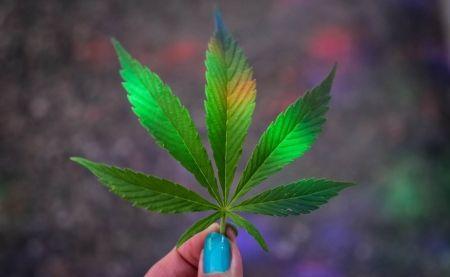
CBD, or cannabidiol, is a molecule extracted from hemp, a plant belonging to the cannabis family, but lacking the psychoactive effects associated with THC. Its use has been legalised in many countries in various forms, ranging from oils to dried flowers. However, questions remain regarding appropriate methods of consumption, particularly concerning the smoking of CBD and the specific use of CBD oil for this purpose. This article aims to detail CBD smoking techniques, explain why smoking CBD oil is not recommended, and offer an overview of safer alternatives. Legal implications and recent regulatory developments will also be addressed to provide a comprehensive and up-to-date overview of the subject.
What is CBD?
Cannabidiol (CBD) is one of many compounds known as cannabinoids found in the cannabis plant. Unlike its more famous cousin, tetrahydrocannabinol (THC), CBD does not produce psychoactive effects, meaning it does not get users ‘high’. This characteristic makes CBD attractive to those seeking to benefit from the medicinal properties of cannabis without the altered state of consciousness.
The market offers a wide range of CBD-based products, including oils, capsules, topical creams and, of course, dried flowers that can be smoked or vaporised. Each form has specific uses and effects that may vary.
The legality of CBD varies by country and often depends on the THC content of the finished product. Generally, CBD products are legal when they are derived from industrial hemp strains and contain very low levels of THC. However, legislation can change, requiring constant vigilance on the part of consumers and distributors.
Smoking CBD: a guide for informed consumers
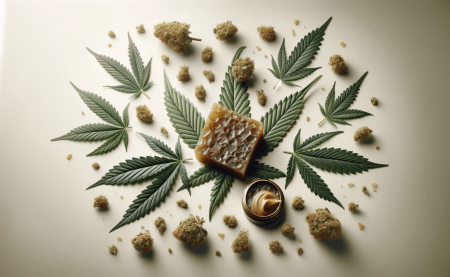
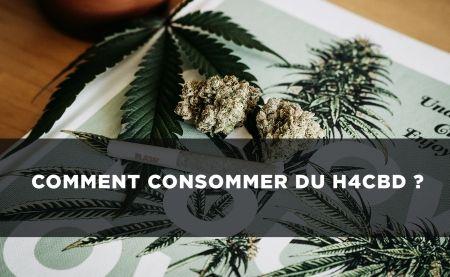
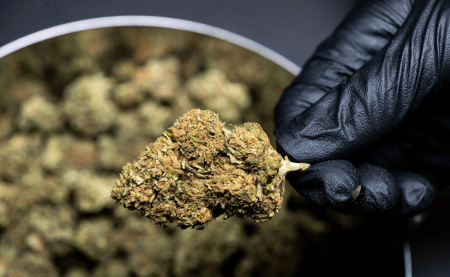
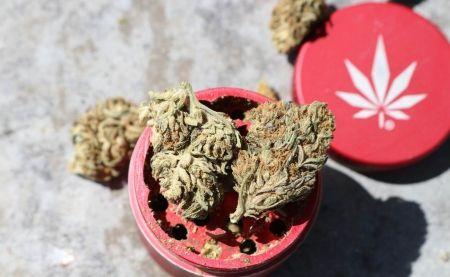
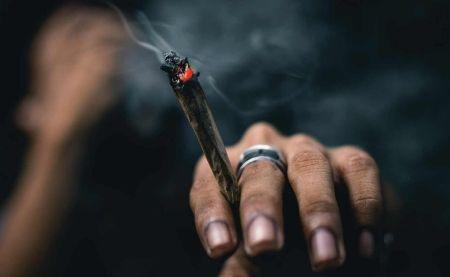
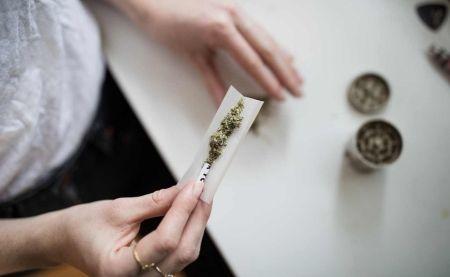
Smoking CBD is one of the most traditional and direct methods of consumption. CBD flowers can be smoked in various ways, including rolling them into joints, using them with bongs, or via vaporisers. Each method offers distinct advantages in terms of ease of use, dose control and rapid onset of effects.
- Joints: Similar to traditional cannabis cigarettes, but filled with CBD flowers. This is a popular method due to its simplicity and discretion.
- Bongs: These filter and cool the smoke through water, making inhalation less irritating to the lungs compared to a joint.
- Vaporisers: These devices heat the CBD to a temperature that releases its active compounds without reaching combustion. This method is considered healthier than direct smoking, as it reduces the inhalation of toxic by-products from combustion.
It is essential to consider the quality of the CBD flower. Consumers should check the product’s origin, ensure it is certified organic where possible, and check for the presence of pesticides or other contaminants. Furthermore, product labels should be checked to ensure that the THC content complies with legal standards.
The comparison between combustion (direct smoking) and vaporisation is also a major public health debate. Vaporisation is often preferred for its less harmful effects on the lungs and for better preservation of CBD’s beneficial compounds.
Can you actually smoke CBD oil?
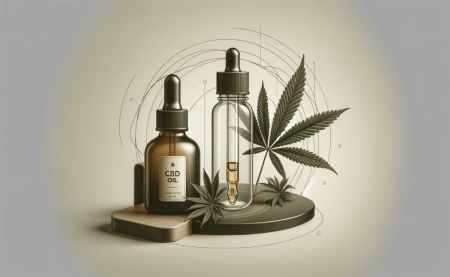
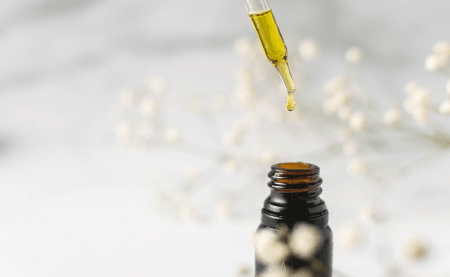
Smoking CBD oil is a practice that sparks debate and confusion. It is crucial to understand that CBD oils are generally designed to be ingested or applied topically, not to be smoked or vaped. Inhaling CBD oil, particularly if heated directly in an unsuitable device, can pose health risks.
- Health risks: Heating CBD oil to high temperatures can produce toxic substances such as acrolein, formaldehyde and certain aldehydes, which are lung irritants and potential carcinogens.
- Common misconceptions: There is confusion between CBD oil and CBD e-liquids. E-liquids are specifically formulated to be vaporised in e-cigarettes or vaporisers. These products generally use a base of propylene glycol or vegetable glycerine, which can be inhaled more safely when vaporised.
For those looking to inhale CBD, vaporising CBD flowers or using e-liquids specifically designed for vaporisers are more appropriate and safer methods. These alternatives avoid the dangers associated with combustion and minimise the risks of inhalation toxicity.
Alternatives to smoking CBD oil: Vaping, using devices designed to gently heat the oil without burning it, is a less risky option. It is essential to choose products specifically intended for this purpose to avoid health complications.
Protecting yourself from risks: what are the legal obligations regarding CBD?
Legislation surrounding CBD is complex and varies significantly from one country to another, and even from one region to another within the same country. Understanding these laws is crucial for consumers wishing to comply with regulations whilst enjoying the benefits of CBD.
Demystifying the laws governing the consumption and smoking of CBD: Generally, CBD products are legal when the THC content does not exceed a certain threshold (often 0.2% or 0.3% depending on the jurisdiction). However, not all forms of CBD, particularly flowers and oils, are necessarily legal in all contexts. Consumers should check the specific legal status of different products in their region.
Analysis of potential penalties for non-compliant use: Penalties can range from simple fines to more severe penalties, particularly where products contain THC levels exceeding legal limits. Consumers should therefore be cautious and well-informed when purchasing and using CBD-based products.
Focus on recent developments in CBD regulation: Several countries and states have recently updated their laws regarding CBD, often to facilitate access for medical or wellness purposes. This sometimes includes changes to the classification of different types of CBD products and adjustments to permitted THC levels.
It is also important to note that, despite the legality of CBD in many places, driving under the influence of substances that may impair one’s abilities, such as CBD, may be illegal and subject to penalties.
The impact of CBD on driving: what you need to know
Driving under the influence of substances can affect road safety, and CBD, despite its lack of psychoactive effects comparable to those of THC, is not exempt from this consideration. It is crucial for consumers to understand the effects of CBD on their ability to drive, as well as the legal implications that may arise.
Assessment of CBD’s effects on driving ability: Although CBD does not cause intoxication, some studies suggest it may induce mild drowsiness or other subtle effects that could influence driving ability in some individuals. Caution is therefore advised, particularly when using high doses or during the first few uses of the product.
Anticipating potential legal consequences: In many countries, legislation on driving under the influence of drugs covers all substances that may impair cognitive or physical abilities. CBD users should therefore be aware that, even in the absence of THC, the presence of CBD in the system could potentially be subject to investigation in the event of a road traffic incident.
CBD users are advised to plan their journeys or test their reaction to CBD in a safe environment before getting behind the wheel. Understanding local laws regarding driving under the influence of substances is also essential to avoid legal problems.
The benefits and limitations of smoked CBD
Methods of smoking CBD are valued for their ability to provide rapid effects, which is often sought for the relief of symptoms such as anxiety or pain. However, it is important to weigh these benefits against the potential risks associated with this form of consumption.
- The potential benefits of CBD: Numerous studies suggest that CBD may offer health benefits, including anti-inflammatory, anxiolytic, and potentially neuroprotective effects. These effects may be particularly useful for people suffering from chronic conditions or anxiety disorders.
- Review of the beneficial health effects of CBD according to recent scientific studies: Research continues to uncover how CBD interacts with the human body’s endocannabinoid system to potentially help regulate several important bodily functions.
- User testimonials on perceived benefits: Many CBD users report a significant improvement in their symptoms or general well-being, which is helping to further popularise the use of CBD in various forms.
The issue of risks: beware of the flip side
Although smoking CBD may seem an effective method for achieving rapid effects, it carries specific risks associated with the combustion of plant material.
- Insight into the potential risks associated with smoking CBD: The combustion of CBD can produce harmful substances similar to those found in tobacco smoke, such as carbon monoxide and tars, which can negatively affect lung health.
- Comparison with other methods of consumption: By comparison, consumption methods such as vapes, sublingual oils or capsules offer safer alternatives, without the risks associated with inhaling combustion products.
- Assessment of addiction: Although CBD is generally considered to have a low potential for addiction, the act of smoking itself may have a behavioural addictive aspect for some users.
Using CBD: who is it for and how?
The demographic of CBD users is vast and varied, reflecting the range of benefits this substance can offer. CBD users range from young adults to the elderly, each seeking specific effects depending on their personal conditions or desires.
- Demographics of CBD users: Research shows that CBD appeals to people of all ages, particularly for its effects on stress, anxiety, chronic pain and sleep. It is used both by those seeking natural alternatives to traditional medicines and by those interested in general well-being.
- Personalised advice for responsible use based on individual profiles: New users of CBD are advised to start with low doses and increase gradually depending on the effects and their needs. Consulting a healthcare professional can help determine the best approach and avoid potential interactions with other medications.
- Precautions for at-risk groups: Certain groups, such as pregnant women and young adults, should exercise caution when considering the use of CBD. The long-term effects of CBD are not yet fully understood, so a cautious approach is advised.
Responsible smoking practices: a guide for the informed consumer
Adopting responsible smoking practices is essential to maximise the benefits of CBD whilst minimising health risks.
- Practical suggestions on quantity and frequency of use: It is advisable to follow dosage recommendations and not to exceed the amount necessary to feel the desired effects. Consistency and moderation are key.
- Purchasing advice: importance of origin, certification and labelling of CBD products: Consumers should look for products certified by independent laboratories, which guarantee the absence of contaminants and the correct concentration of CBD.
- Preventive measures to avoid dependency and promote mindful consumption: Although CBD is considered to have a low potential for dependency, it is important to remain vigilant regarding consumption habits and to opt for forms of consumption that promote general well-being without unnecessary risks.
Conclusion
Smoking CBD can offer immediate benefits in terms of relief and relaxation, but it is important to do so in compliance with the law and taking into account the health implications. Consumers must be well-informed about product quality and safe consumption methods. The call for vigilance and informed consumption is essential for navigating the constantly evolving CBD laws and market developments.