

Your cart is empty

Cannabis Withdrawal: How long does it take to overcome a cannabis addiction?
In France, around 1.2 million people regularly use cannabis. THC (tetrahydrocannabinol), the psychoactive molecule found in the hemp plant, is responsible for the state of dependence that this consumption causes in users, as well as the various symptoms that may appear during withdrawal. Furthermore, the duration of this phase of withdrawal can be more or less prolonged and depends on various factors. To better understand and grasp this experience, we have therefore detailed them for you in the rest of this article.
Key takeaways:
- The duration of cannabis withdrawal varies, with symptoms appearing from the first day up to around four weeks.
- During withdrawal, take up a sport, eat healthily, and avoid situations where there is a risk of relapse.
- CBD, which has no psychoactive effects, can help relieve certain withdrawal symptoms.
- Consult a healthcare professional before starting withdrawal and to determine if CBD is appropriate.
How long does cannabis withdrawal last?
Cannabis withdrawal and the withdrawal symptoms it may cause can last for varying lengths of time from one person to another. Note, however, that the first symptoms may appear between the first day and the first week after stopping cannabis use.
The duration of the symptoms is then linked to how quickly your body is able to eliminate the THC molecules. Note that, on average, you will need to hang in there for around four weeks before returning to a normal lifestyle.
What should you do during withdrawal?
To avoid giving in and try to channel your emotions during this difficult period, here are a few additional tips:
-
- take up a sport: physical activity can help you relax and provide you with a sense of well-being during this phase;
-
- choose healthy food: prepare tasty meals that you fancy and take the time to enjoy them to find a new source of satisfaction;
-
- meet new people: change your environment and encourage social interaction with new people to share your interests;
-
- avoid situations that could cause you to relapse (parties, alcohol consumption, stressful situations, etc.);
-
- get rid of any cannabis you have left so you aren’t tempted.
|
Good to know: For more advice on best practices during withdrawal, please visit the Drogues Info Service website. The advice you find in this article should under no circumstances replace a consultation with a doctor who will be able to support and help you with personalised advice. If you want to stop using cannabis, Sixty8 strongly recommends that, above all, you consult a healthcare professional to discuss this. |
Using CBD to help you during your withdrawal
A scientific study from 2015, conducted at the University of Montreal Hospital Centre (CHUM), highlighted certain soothing and anti-inflammatory effects of CBD.
This substance, also derived from the hemp plant, has no psychoactive effects and is not addictive. In certain cases, it may prove to be a useful aid, particularly for relieving certain symptoms associated with and caused by cannabis withdrawal.
Finally, it is important to note that the anti-addictive properties of CBD have also been highlighted in a scientific study, conducted by researchers Mélissa Prud’homme, Romulus Cata and Didier Jutras-Aswad. This substance therefore appears to show promise in helping to treat people with addiction.
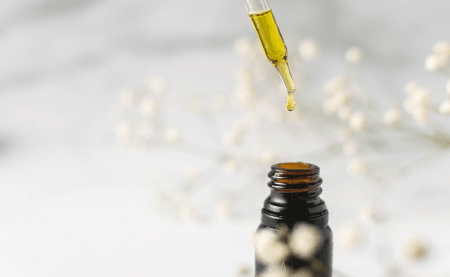
You can consume it in the form of oil or herbal tea, for example, to help you get through this sometimes difficult withdrawal period.
It is possible to overcome your addiction by implementing simple techniques and seeking external support. Please do not hesitate to contact Ecoute Cannabis on 0 980 980 940 (available 7 days a week from 8 am to 2 am) for help in overcoming the side effects of cannabis withdrawal.
See also: