




Your cart is empty
Legal CBD: The French Council of State’s ruling
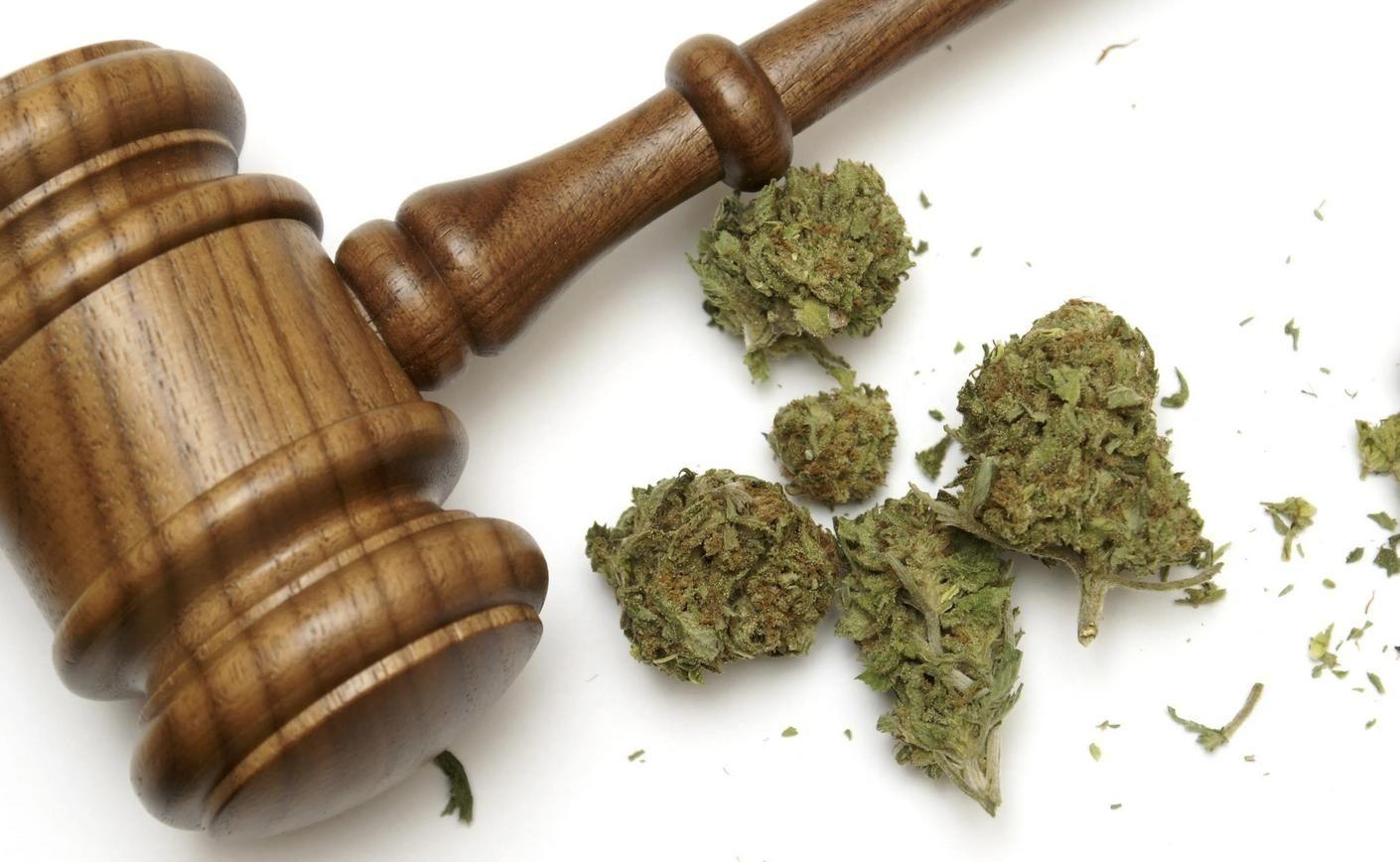
The legislation on CBD cannabis in France is full of twists and turns! Between legalisation, decrees and the suspension of decrees, this issue is one of the most sensitive when examining the Public Health Code. As early as February 2022, the debate over medical cannabis and its regulation by the ANSM (French National Agency for Medicines and Health Products Safety) was causing a stir online. The start of 2023 looks promising, however, with the definitive cancellation of the December 2021 decree which, as a reminder, had temporarily banned the sale of raw CBD flowers.
Why is the debate over the legislation of certain cannabidiol products so sensitive? What does the law in France currently say about CBD?
Key takeaways:
- In 2023, France definitively legalised the sale of CBD flowers and leaves containing less than 0.3% THC.
- This decision follows the repeal of a 2021 decree that prohibited their sale.
- European legislation permits CBD containing less than 0.2% THC, but regulations vary between member states.
- CBD is legal due to its non-psychoactive benefits, unlike THC, which remains regulated.
>>See our CBD flowers legal in France<<
European legislation: CBD is legal
At European Union level, cannabis is legal when its THC (tetrahydrocannabinol) content is below 0.2%. However, the Council of the EU remains rather vague regarding the products concerned.
Regulation No 1672/2000 of the Council of the EU refers to ‘fibre production’ and remains vague regarding direct consumption or consumption via derived products.
It therefore states that ‘[f]or hemp intended for fibre production, the area payment is also subject to the use of varieties with a tetrahydrocannabinol content not exceeding 0.2%’.
When examining European legislation, we see that the current regulations mainly concern the agricultural and textile sectors. Hemp is often mentioned alongside milk, rice or flax…
It is worth noting that cannabidiol is permitted under European law, provided it contains less than 0.2% THC. This general regulation masks numerous variations between EU member states.
Among them, France has long struggled to define the legal provisions to be adopted regarding the cannabidiol molecule.
The battle of the laws: the sensitive issue of CBD in France
Today, cannabidiol is a completely legal cannabinoid. From CBD oil to flowers, it is completely legal to consume it, provided that the THC content of each product does not exceed 0.3%. This has not always been the case!
30 December 2021: Ban on the sale of CBD flowers and leaves
On 30 December 2021, the news broke: the French Council of State decided to ban the sale of CBD flowers and cannabidiol leaves via the decree implementing Article R5132-86 of the Public Health Code.
This marks a halt to the sale of CBD cannabis, as cannabidiol flowers and leaves suddenly become illegal. The decree stipulates that ‘[t]he sale to consumers of raw flowers or leaves in any form, whether on their own or mixed with other ingredients, as well as their possession by consumers and their consumption, are prohibited. ”
As of 30 December 2021, retailers of CBD flowers are therefore obliged to sell only products based on CBD extracts, with no possibility of offering flowers, resins and other products derived entirely from the natural hemp plant, known as ‘in their raw state’.
24 January 2022: Suspension of the decree
Fortunately, the decree of 30 December 2021 was short-lived. Within less than a month, the decree was suspended by the judges of the Council of State, who, it would seem, have softened their stance.
A press release from the Council of State, dated 29 December 2022, also states that the suspension of the decree was due to its disproportionate nature.
The Council of State “considers the general and absolute ban on the sale of raw cannabis leaves and flowers with a low THC content, i.e. without narcotic properties, to be disproportionate.”
The unhindered sale of CBD cannabis resumes. CBD oil, vapes, flowers and resins are once again legal in France.
However, the threat of the decree still looms, as it has merely been suspended.
29 December 2022: Definitive lifting of the ban on the sale of flowers and resin
As stated in the press release, it was only on 29 December 2022 that the Council of State ruled: given the non-psychoactive effects of CBD, the decree is definitively repealed.
This decision, which came a year after the decree, definitively legalises the sale and consumption of CBD flowers and leaves in France, as well as its derivative products.
This legal overhaul came in particular following a ruling by the Court of Justice of the European Union in a case concerning an e-cigarette, which resulted in a complete overhaul of the regulations governing low-THC cannabis in France.
The main provision of the final legislation on legal cannabis is that “products derived from hemp placed on the market must have a THC content not exceeding 0.3%.”
This new legislation also stipulates that it is prohibited to claim therapeutic potential or to encourage recreational use.
Indeed, as cannabidiol is neither a medicine nor a narcotic, it is consumed for wellbeing and for its benefits to physical and mental balance. Any therapeutic use must be subject to consultation with a healthcare professional.
But why is CBD the subject of so much debate? And, in particular, the raw flower and leaves?
CBD vs THC: the law in France
Cannabidiol: a legal cannabinoid in France
There is a good reason why cannabidiol (CBD) is now legal in all its forms! Unlike THC, CBD is not a psychoactive cannabinoid. On the contrary, it is said to have numerous benefits, including pain-relieving, anti-inflammatory and anti-stress properties.
Like many other cannabinoids derived from the hemp plant, cannabidiol is permitted as it is not psychoactive. Having long suffered from the negative image associated with THC, European governments are now increasingly open to its use. Every year, numerous scientific studies reveal a wide range of potential applications.
Tetrahydrocannabinol: a psychoactive compound that is illegal in France
In France, and across Europe, it is tetrahydrocannabinol (THC) that is illegal. Whilst debates continue regarding the formal legalisation of its medical use, this remains within the medical sphere. The general public does not have access to it.
THC is, in fact, a psychoactive cannabinoid that can lead to dependence.
Naturally, cannabis flowers and leaves sold to the general public must not contain more than 0.2% THC in Europe. So why is there so much debate over the simple sale of CBD cannabis flowers and leaves?
CBD flowers and leaves: why all the debate?
The law on CBD in France now supports the sale of raw CBD flowers and leaves. Nevertheless, as we have seen, numerous twists and turns have led to the current legislation.
This ‘fear’ of marketing raw CBD flowers and leaves is certainly due to three factors:
- The Government does not wish to promote consumption via combustion. Smoke is harmful. However, whilst CBD leaves and flowers can be smoked, they can also be vaporised using a vaporiser or drunk as a herbal tea, for example.
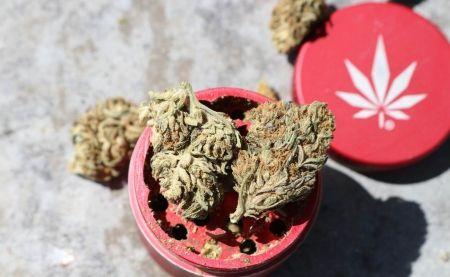
- CBD cannabis is difficult to distinguish from illegal cannabis in terms of appearance and smell.
- THC has a very negative image, which has inevitably affected cannabidiol, even though it is non-psychoactive.
In any case, we are pleased to note that current CBD legislation in France supports its sale and consumption.
See also
- CBD VS THC: betting everything on legal cannabis
- CBD in Switzerland: Legality, THC levels and use
- CBD in France: Buying/Selling, cultivation and legislation



































































Leave a Reply Cancel Reply