

Your cart is empty

Hemp oil: Sixty8 usage tips
Hemp oil offers some very beneficial properties for the body. Quite different from CBD oil, hemp oil is found in many products.
To make the most of the benefits of these two oils, it is essential to understand their differences. Discover the richness of these two oils and their main uses in this article.
What are hemp oil and CBD oil?
Whilst the number of retailers selling CBD oil is growing in the cannabidiol market, the quality of the products on offer sometimes leaves something to be desired.
To be sure of making a good purchase, it is essential to understand where the product comes from and how it is made, as well as whether it complies with current standards.
>>Discover the Sixty8 oil range<<
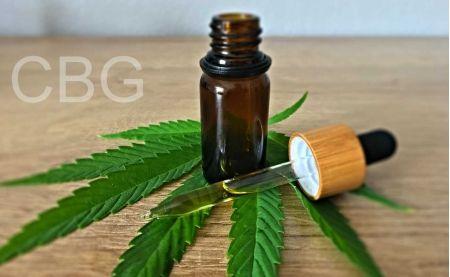
CBD oil: what on earth is it?
CBD stands for cannabidiol, which is hardly news to you. However, this somewhat obscure term refers to one of the two main active substances found in large quantities in the hemp plant, the other being THC.
CBD is the plant’s “non-active” substance, as it has no psychoactive effects and is not addictive. Cannabidiol can be consumed in various forms, such as CBD flowers, CBD crystals or CBD oil.
The latter is also one of the most effective, as the first effects can be felt within about ten minutes of taking it.
It can be ingested in several ways:
• Mixed with food;
• Diluted in a drink;
• Absorbed sublingually.
To make CBD oil, several methods are possible. Some make oil from CBD isolate; to do this, CBD crystals are mixed with plant-based oils, to which terpenes are added to refine the taste.However, high-quality CBD oils are produced by extracting all the cannabinoids from the plant to create a full-spectrum oil. A final type of oil contains all cannabinoids except THC; this is known as a broad-spectrum oil.
Various extraction methods exist, but the most effective one—and the one that produces the purest CBD oil—uses CO2. The final product can have different cannabidiol concentrations: 5%, 10%, 15%, 20%, etc.
This means, for example, that a bottle of 10% CBD oil contains 1,000 mg per 10 ml, which equates to approximately 5 mg of CBD per drop.
To find out more about CBD extraction and oil production, visit our dedicated article.
What are the differences between CBD oil and hemp oil?
The main difference between hemp oil and CBD oil lies in their manufacturing processes.
Although both are derived from the same plant (Cannabis Sativa L.), they do not come from the same part of the plant. Hemp oil is made from the plant’s seeds, known as hemp seeds, which, once cold-pressed, become vegetable oil.
In contrast, CBD oil contains numerous active compounds, known as phytocannabinoids, terpenes and flavonoids, which are found in the leaves, flowers and stems of the plant and which, through an extraction process, can be separated to target a specific effect. These compounds are preferred for therapeutic use.
Hemp oil: benefits and uses
Hemp oil and CBD oil have many benefits and can be used in various ways.
Hemp oil: benefits
Although it is not recommended to heat it in order to preserve its benefits, hemp oil is rich in various nutrients that go beyond simple nutrition.
In particular, it is rich in carotene, vitamins E, B1 and B2, which help combat skin ageing, act as an antioxidant and play a role in cell growth and the metabolism of carbohydrates and lipids.
A source of protein, hemp is also rich in omega-3 and omega-6 fatty acids, phosphorus, potassium and magnesium. It combats fatigue, helps maintain the body’s balance and prevents a range of health risks.
Hemp oil is therefore an edible oil and can be used in your recipes in the usual way.
Hemp oil: a few recipes
In cooking or cosmetics, organic hemp oil can be used as a dietary supplement or as a beauty product.
Beauty tips
Hemp oil can save you from having to buy numerous bathroom products. Hemp oil for the face can replace make-up remover when mixed with water or a gentle hydrosol.
It can also be used on its own on the face as a day or night cream, or as a nourishing serum. In fact, to see the results of these recipes, there are numerous testimonials online about before-and-after results with hemp oil for the face.
Mixed with coffee grounds, tea leaves and sugar, you can create a scrub. As well as for the face and body, hemp oil for the hair is also a solution that many men and women will appreciate.
On its own, mixed with aloe vera or enhanced with essential oils, it acts as a hair mask that will give your hair – or, for the gentlemen, your beard – a boost and make it shine.
Finally, hemp oil can be used as a massage oil. Indeed, massaging your body with hemp oil leaves the skin soft and moisturised.
In the kitchen
There is nothing simpler than cooking with hemp oil.
As it should not be heated, it is ideal in a salad or as a finishing touch in a soup or on meat. Furthermore, by avoiding heating it, you can preserve all the essential fatty acids, minerals and vitamins it contains.
It can also be used in savoury or sweet cake recipes, as a marinade for roasted vegetables or as an addition to sauces, for example.
Furthermore, whatever your diet – whether you are vegetarian, vegan or omnivorous – you can enjoy the benefits of this oil.
On tomato and mozzarella, with bread, in soup, in pasta, in a sauce, on fish, on meat, mixed with other oils, or in a vinaigrette, hemp oil proves to be a superfood that can be used in many different ways.
To conclude, CBD oil and hemp oil are two very distinct oils, differing in both their origin and their benefits. By diluting CBD oil in hemp oil, it is entirely possible to combine the benefits of hemp seeds with the therapeutic properties of CBD.